
24/7 Customer Support

Free returns

Same-day & Next-day Delivery

Quality Guaranteed

Unlock Your Welcome Offers: FREE Delivery | Up to 80% OFF | Free 30-day JoyPlus trial
Download the APP
Choosing baby soothers can seem straightforward until you compare teat shapes, materials, age ranges and sterilisation instructions. A low-priced pack may not suit your baby’s mouth, while a feature-heavy design may be inconvenient if it cannot be cleaned in the equipment you already use.
The right choice depends on your child’s age, feeding routine, skin sensitivity and how often the soother will be used. This guide explains the main buying pitfalls and compares practical options for newborns, babies and toddlers aged 0–36 months.
A soother designed for a newborn has different proportions from one intended for an older toddler. Using the wrong size may make the teat uncomfortable or difficult for your child to keep in place. Always match the product’s stated age range, such as soothers for 0–6 months, 6–18 months or 18–36 months.
If your baby is between stages, check the manufacturer’s guidance rather than moving up early. A larger teat is not automatically more suitable.
Natural rubber latex soothers are soft and flexible, but heat, sunlight, dishwashers and some sterilisation methods can weaken the material. Several latex products recommend scalding or soaking in boiling water rather than microwave sterilisation.
By contrast, many silicone soothers are suitable for warm soapy water, top-rack dishwashers or steam sterilisation. Always follow the care instructions for the exact product. A soother with a steriliser case is useful only if the case’s microwave timings and water volume fit your routine.
Terms such as “breast-like”, “orthodontic” and “skin-friendly” describe design features, not a guarantee that every baby will accept the soother or avoid irritation. Babies can have strong preferences for a particular teat shape or texture.
Look for practical details instead: ventilation holes, a shield that curves away from the nose and mouth, a secure ring, clear age guidance and materials listed as BPA-free, PVC-free or phthalate-free where applicable.
Natural rubber latex soothers feel soft and flexible and may suit babies who prefer a round, cherry-shaped teat. Latex can change colour or expand slightly with use, so it requires regular inspection and more frequent replacement according to the product instructions. Avoid latex if your child has a known latex allergy or develops irritation after use.
Silicone soothers are made from a smooth, durable material and are commonly compatible with several cleaning methods. They do not have the same natural-rubber feel, so acceptance can vary. Check whether the teat is medical-grade or food-contact suitable and whether the shield is made from BPA-free polypropylene.
Round teats, symmetrical teats and anatomical teats create different mouth-feel experiences. A symmetrical or orthodontic soother can be placed either way up, which may be convenient during night-time use. However, the design should still be checked regularly for damage.
A curved shield and generous ventilation holes help reduce the amount of plastic and moisture sitting against the skin. This is particularly useful for babies who dribble frequently or are teething, although it cannot guarantee rash prevention.
Twin packs are practical because one soother can be cleaned while the other is available. Two-pack baby soothers are also useful for changing bags, nursery and overnight use.
Before every use:
Replacement intervals vary by material and manufacturer. The supplied guidance for these products ranges from around four to six weeks for some latex soothers and one to two months for some silicone soothers. Teeth, chewing, heat and sterilisation can shorten the useful period.
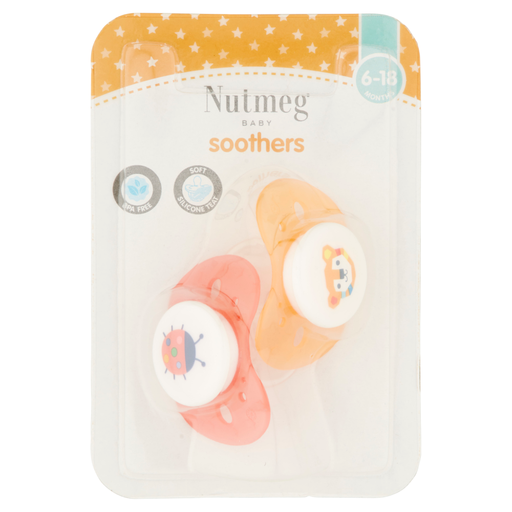
Why This Fits Their Persona: A straightforward option for families who need an everyday spare set for home, nursery or a changing bag.
The clear 6–18-month age range avoids buying a newborn or toddler size too early. It is also described as suitable for dishwasher cleaning on the top shelf and all forms of sterilisation.
Two BPA-free silicone soothers, EN 1400 compliance stated in the listing and simple cleaning instructions.
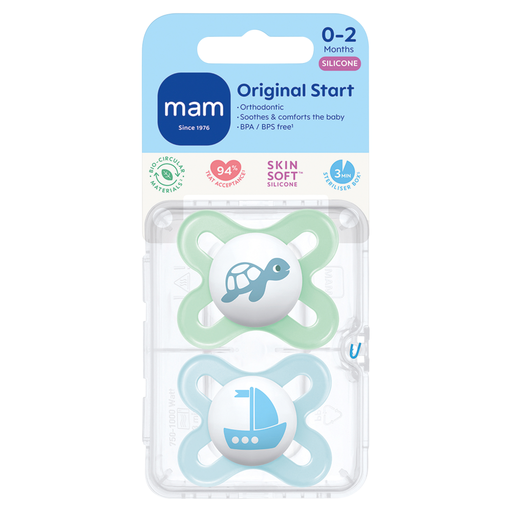
Why This Fits Their Persona: Suitable for parents seeking a lightweight newborn design with a dedicated case for sterilising and transport.
Its stated 0–2-month range and extra-small shield reduce the risk of choosing a larger stage product for a newborn. The silicone teat also avoids latex-specific care restrictions.
Two BPA- and BPS-free soothers with a self-sterilising travel box using 25ml of water and a three-minute microwave cycle.
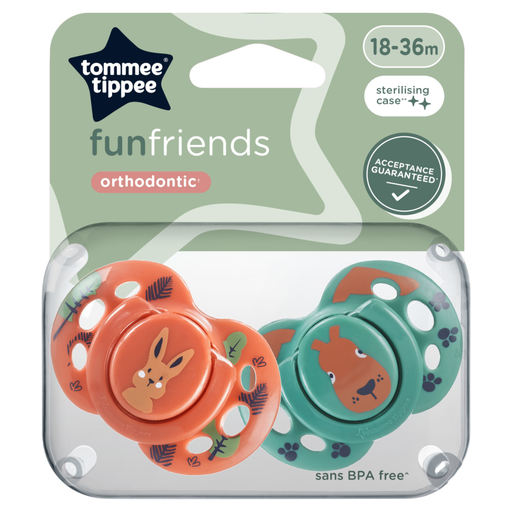
Why This Fits Their Persona: Designed for older toddlers and families who want a reusable steriliser for days out, holidays or regular microwave cleaning.
The clearly stated 18–36-month size avoids confusing toddler soothers with infant versions. The supplied pod also removes the need to carry a larger sterilising appliance.
Symmetrical silicone teat, ventilated curved shield and BPA-free materials; the pod sterilises both soothers with 25ml of water in a stated two-minute microwave cycle.
We have compiled a complete, real-time list of products that fully satisfy these strict selection criteria and UK safety regulations.
Families looking for breastfeeding-friendly dummies may prefer to compare round, breast-like teats with symmetrical silicone designs. No teat shape suits every baby, so introducing one option at a time makes it easier to identify a preference.
For night-time use, glow-in-the-dark soothers can make retrieval easier without switching on a bright light. The glow normally needs daylight to charge and may not activate under indoor LED lighting. A spare soother in a covered bedside container can be more useful than relying on the glow feature alone.
Follow the product instructions and replace sooner if the teat becomes sticky, cracked, stretched, discoloured or weak. Latex options commonly require replacement after four to six weeks, while silicone products may be replaced after one to two months. Always inspect before use, particularly once teeth appear.
Some silicone pacifiers for babies are suitable for the top rack, but natural rubber latex soothers may be damaged by dishwashers or microwave sterilisation. Check the packaging first. If a product includes a steriliser case, use only the stated water amount, microwave power and heating time.
“Orthodontic” generally refers to a teat shape designed to be flatter, symmetrical or angled to encourage a particular tongue and mouth position. It is a product design description rather than a promise of a specific dental outcome. Choose the correct age size, check comfort and follow professional advice if you have concerns about feeding, teeth or oral development.