
24/7 Customer Support

Free returns

Same-day & Next-day Delivery

Quality Guaranteed

Unlock Your Welcome Offers: FREE Delivery | Up to 80% OFF | Free 30-day JoyPlus trial
Download the APP
Choosing baby soothers can seem straightforward until you compare teat shapes, materials, age ranges and sterilising methods. A low-cost pack may not suit a newborn, while a feature-rich option can be inconvenient if its cleaning instructions do not fit your routine.
For UK parents, the practical priorities are correct sizing, safe materials, hygiene and age-appropriate design. This guide explains the common buying traps and highlights suitable options for newborns, older babies and toddlers.
A cute design does not indicate whether a soother fits your child. Newborn soothers usually have a smaller, lighter shield and teat, while toddler soothers are larger and designed for older mouths. Using the wrong size may make the soother uncomfortable or difficult to keep in place.
Always check the stated age range, such as 0–2 months, 0–3 months, 6+ months, 16+ months or 18–36 months. Age guidance is not simply a marketing label; it helps you compare the physical size of the product.
Microwave sterilising cases are convenient, but they are not automatically suitable for every teat. Natural rubber latex can be damaged by microwave heating, whereas some silicone soothers are supplied with cases designed for this purpose.
For example, a storage box that doubles as a microwave steriliser may be suitable for silicone soothers but specifically unsuitable for latex soothers. Check the instructions for water quantity, microwave wattage and heating time before use.
Orthodontic soothers generally use a flatter, symmetrical or shaped teat intended to sit consistently in the mouth. However, the term does not guarantee that every child will accept the design or that it will prevent future dental problems.
Look at the actual teat shape, age range and cleaning instructions. Never dip a teat in sugar, honey, sweet drinks or medicine, as this may contribute to tooth decay.
Select the size that matches your baby’s current age rather than buying a larger option “to grow into”. A newborn may need an extra-small shield, while a child aged 18–36 months may require a larger teat and shield.
Parents buying for a changing bag may also prefer 2-pack soothers, giving them a clean spare during journeys, nursery drop-offs or overnight use.
Latex soothers are soft and flexible, with a natural feel. Natural rubber latex can change shape or colour over time and may not suit children with a known latex allergy. It also generally requires more frequent inspection and replacement.
Silicone soothers are smooth, odourless and commonly compatible with dishwasher cleaning or microwave sterilising cases, depending on the product instructions. A one-piece silicone design can also have fewer joins where dirt may collect.
Neither material is automatically suitable for every family. Choose according to your child’s preference, allergy considerations and cleaning routine.
Look for clear safety information and products made to the relevant standards. The European standard EN 1400 covers safety requirements for soothers, including construction and mechanical safety. Dedicated soother clips should comply with EN 12586 and must be used according to their instructions.
A shield with ventilation holes can improve airflow around the mouth. Curved shields may reduce contact with the skin, but parents should still clean and dry the area regularly, particularly if their baby dribbles heavily.
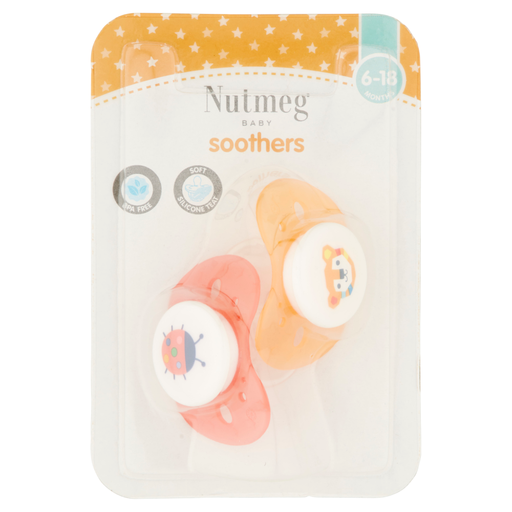
Why This Fits Their Persona: A straightforward twin pack for families wanting everyday baby dummies for children aged 6–18 months without additional accessories.
The stated 6–18-month age range helps avoid buying a newborn or toddler size that does not match your child’s stage.
BPA-free silicone; dishwasher-safe on the top rack; suitable for sterilisation methods listed in the instructions.
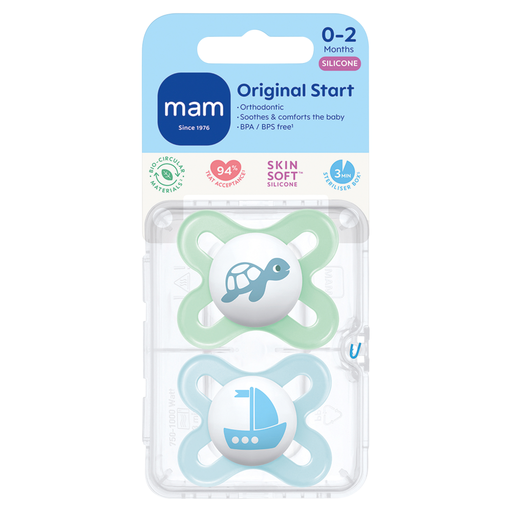
Why This Fits Their Persona: Designed for newborns and premature babies, this option suits parents prioritising a small, lightweight design and organised sterilisation at home or away.
Its stated 0–2-month range and extra-small shield address the common mistake of choosing a general baby soother for a newborn.
Two-soother pack; BPA- and BPS-free materials; supplied self-sterilising travel box using 25ml of water and the stated microwave instructions.
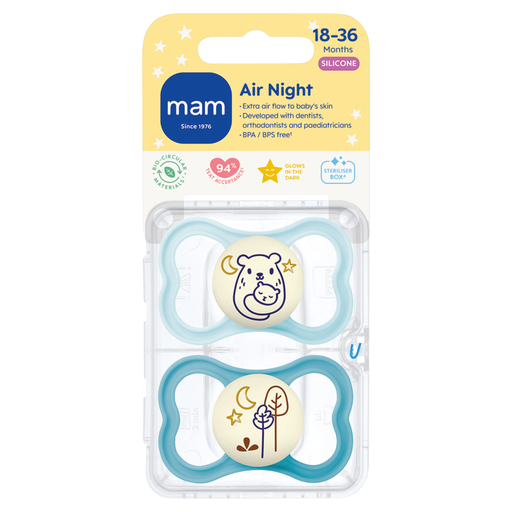
Why This Fits Their Persona: A practical choice for older toddlers who use a soother at night or experience frequent dribbling, with visibility and airflow features.
The glow-in-the-dark button helps locate the soother at night, while the extra-large air holes address the problem of a shield trapping moisture.
18–36-month sizing; silicone symmetrical teat; supplied self-sterilising case with stated 25ml water and three-minute microwave cycle.
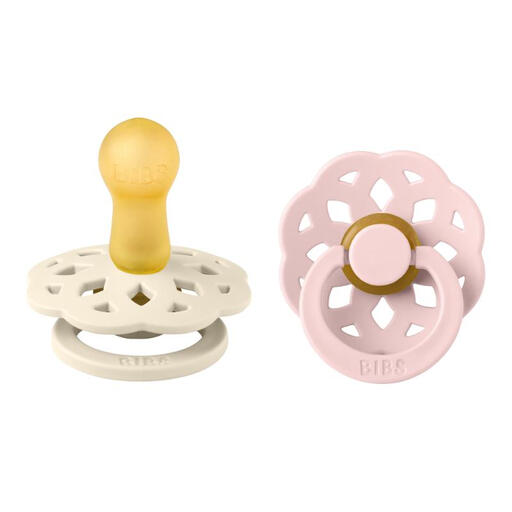
Why This Fits Their Persona: Suitable for babies aged 6 months and over when a parent prefers a round, natural rubber latex teat and a two-pack format.
The material is clearly identified as natural rubber latex, helping shoppers avoid confusing latex with silicone and reminding them to consider allergies.
Food-grade, BPA-free materials; curved shield with ventilation; product information states compliance with EN 1400+A2.
We have compiled a complete, real-time list of products that fully satisfy these strict selection criteria and UK safety regulations.
Replace a soother according to its product instructions, and sooner if it shows damage or weakness. Frequent users may need to rotate several soothers so each one can be cleaned, dried and inspected properly.
Both can be hygienic when cleaned correctly. Silicone is often compatible with dishwasher cleaning or a self-sterilising case, while latex may require boiling or scalding and can deteriorate more quickly. Always follow the specific instructions supplied with the product.
A glow feature can make a soother easier to locate in a dark bedroom, but it does not replace supervision or safe sleeping practices. Charge the button as instructed, check the soother before use and never attach an unsuitable cord or clip.