
24/7 Customer Support

Free returns

Same-day & Next-day Delivery

Quality Guaranteed

Unlock Your Welcome Offers: FREE Delivery | Up to 80% OFF | Free 30-day JoyPlus trial
Download the APP
Choosing the right play equipment for your baby or toddler can feel like navigating a maze. With so many options available, it’s hard to know which items will genuinely engage your child, support their development and stand the test of time. As parents, we want safe, practical and fun equipment that fits into our homes and budgets.
This guide is designed to help you make an informed choice. We’ll walk through key features to consider when buying baby and toddler play equipment and share some of our top recommendations for 2026, focusing on items that offer great play value and practicality for UK families.
Before diving into specific products, here are a few practical points to keep in mind during your search.
Safety is the number one priority. Look for products that are built with sturdy, non-toxic materials and have a stable design to prevent tipping. In the UK, play equipment should comply with relevant safety standards, such as BS EN 71. Check for rounded edges, secure fastenings and age-appropriateness to ensure the item is a safe fit for your child's current stage.
Children grow quickly, and their interests change just as fast. Equipment that adapts or serves multiple purposes offers better long-term value. A toddler activity table and chairs set that doubles as a drawing board or a children's play table with storage helps keep your living space organised. Likewise, a foldable baby walker is a practical choice for smaller homes or for taking to the grandparents' house.
The right equipment can support key developmental milestones. For infants, baby sensory toys with varied textures, sounds and colours are excellent for stimulating their senses. As they gain more control, a sit-in activity centre or baby jumperoo can help strengthen leg muscles and improve coordination. For toddlers, equipment that encourages imaginative play and fine motor skills, like an activity table, provides lasting engagement.
Here are a few standout options that balance fun, function and thoughtful design for different age groups.
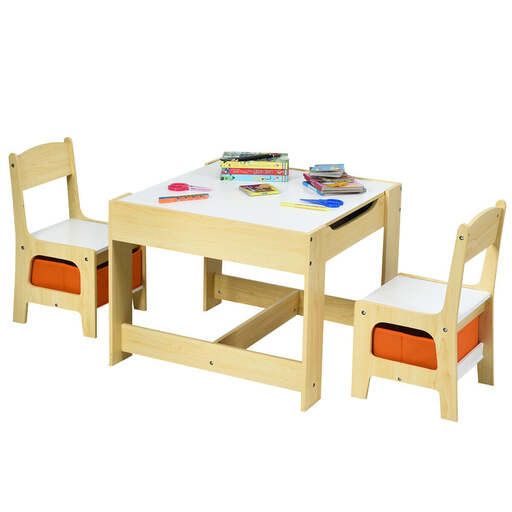
Why It Stands Out: This set is a versatile hub for creative toddlers. Its main feature is the double-sided tabletop—one side is a chalkboard for drawing, and the other is a smooth surface perfect for building blocks, puzzles or snack time. The clever design incorporates hidden storage beneath the tabletop and fabric drawers under each of the two included chairs, encouraging little ones to tidy up after playtime.
Pros:
Who is it for? This is an excellent choice for parents of children aged 3 to 7, creating a dedicated and organised space for arts, crafts and imaginative play.
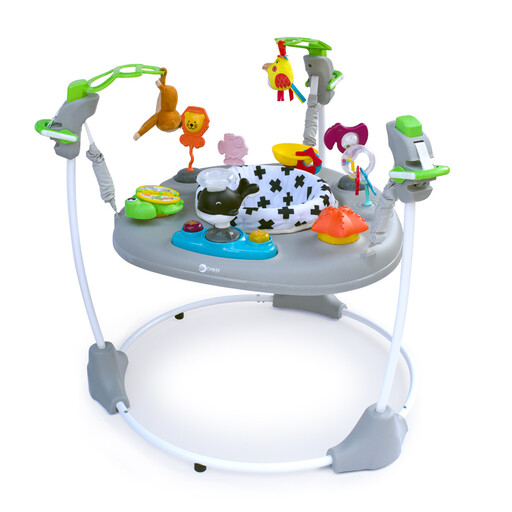
Why It Stands Out: This sit-in activity centre provides a world of sensory exploration for babies who aren't yet mobile. The 360-degree rotating seat allows your little one to turn and interact with 10 different activities, including toys with lights, sounds and melodies. It’s designed to keep your baby entertained while supporting the development of cognitive and fine motor skills.
Pros:
Who is it for? Ideal for babies from approximately 4 to 12 months who can sit up unaided and are ready for stationary, interactive play before they start crawling.
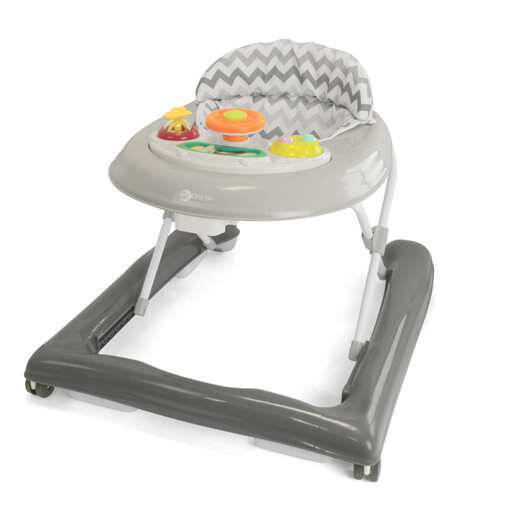
Why It Stands Out: The Wizzy Walker offers a great combination of mobility support and entertainment. It functions as a baby walker with an activity tray that is packed with interactive features like a steering wheel, horn, lights and melodies. For added practicality, the toy tray is detachable, converting the walker into a simple snack tray. Its best feature for modern homes is that it folds completely flat, making storage and transport incredibly convenient.
Pros:
Who is it for? A suitable option for babies from around 6 months (or when they can sit unaided) up to 12kg, who are eager to explore their surroundings with a bit of support.
These recommendations cover some of the key stages of early childhood, but every child's journey is unique. If you're searching for more specialised items or developmental toys for toddlers and older children, there are many other choices to explore.
For a wider selection of engaging and stimulating products, browse our full collection of educational toys for 4 year olds to find the perfect match for your family's needs.
1. What should I look for in a baby walker? When choosing a baby walker, prioritise a wide, stable base to minimise the risk of tipping. Look for features like anti-tip pads, especially if you have uneven floors. An adjustable height mechanism allows the walker to grow with your baby, and a foldable baby walker is a great space-saver. Most importantly, always supervise your child while they are using a walker and ensure it is used on flat surfaces away from stairs.
2. At what age can a baby use a Jumperoo or sit-in activity centre? Most manufacturers recommend these for babies who can hold their head up strongly and consistently on their own, which is typically around 4 to 6 months of age. It's important that they can sit with some support but are not yet walking. Always refer to the specific product's age and weight guidelines and limit use to short, supervised periods to support healthy development.
3. How can I create an engaging play area for my toddler? A great toddler play area combines different types of activities. A toddler activity table and chairs set provides a dedicated spot for drawing, puzzles and building. A children's play table with storage or toy chests helps teach tidiness. Complement these with a variety of developmental toys for toddlers that encourage different skills, such as shape sorters for problem-solving, building blocks for creativity and ride-on toys for gross motor skills.