
24/7 Customer Support

Free returns

Same-day & Next-day Delivery

Quality Guaranteed

Unlock Your Welcome Offers: FREE Delivery | Up to 80% OFF | Free 30-day JoyPlus trial
Download the APP
Buying baby toys and gifts can look straightforward until you compare age labels, materials, batteries, cleaning instructions and small-part warnings. A colourful toy may attract attention online, but that does not necessarily make it suitable for a particular stage of development or household routine.
This guide focuses on practical details rather than exaggerated claims, helping parents, grandparents and gift-givers choose educational baby toys, sensory toys for babies, comfort products and birthday gifts for kids with fewer surprises.
A toy that looks suitable for a newborn may contain soft filling, batteries, detachable components or small accessories intended for older children. Always check the manufacturer’s recommended age and warnings. For example, plush products labelled for ages 3+ should not be given to babies, while some soft toys have separate warnings for children under 12 months.
Lights, sounds and multiple buttons can be engaging, but a toy becomes less useful if it is difficult to operate, too loud or overwhelming. Look for simple cause-and-effect actions such as pressing, turning, shaking, sorting or tapping. These allow children to explore at their own pace and can support shared play with an adult.
Baby products are frequently handled, dropped or exposed to food and saliva. Check whether an item is wipe-clean, machine washable or suitable for sterilisation. Soothers, for example, require regular inspection and replacement. Pacifier accessories also need careful supervision and should never be used as toys or attached around a baby’s neck.
For newborn gifts, choose lightweight products without loose parts, long cords or detachable decorations. Soft rattles, pram-friendly toys and simple tactile items may suit early sensory exploration.
From around six months, babies may enjoy sensory toys with lights, sounds, textures and movement. From 12 months onwards, toddler activity toys can introduce stacking, sorting, rhythm and pretend play. Montessori toys are not automatically suitable simply because they use the term “Montessori”; check the actual activity, dimensions and age recommendation.
Look for clear details about materials, dimensions and applicable standards. Toys in the supplied range include references to EN71 and CE marking. These details can help buyers identify products intended for the European toy safety framework, but they do not remove the need to follow the instructions and supervise play.
Check for:
A large activity centre may be engaging but unsuitable for a small flat or difficult to transport. Conversely, a compact toy may be easier to use in a pram, car or restaurant. For musical toys for toddlers, adjustable volume is useful in shared homes, flats and during quieter periods. Avoid placing sound machines or electrical products inside a cot, and keep cords and plugs away from children.
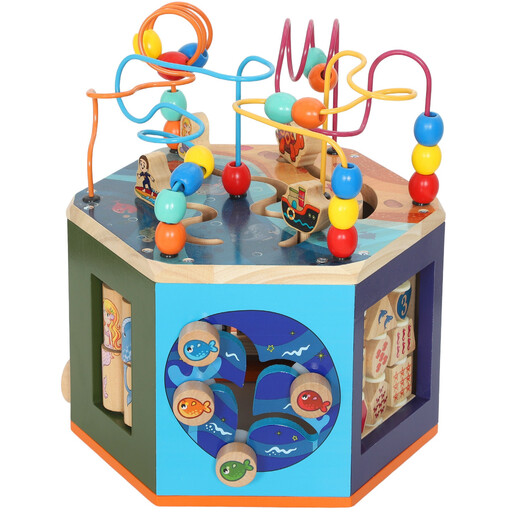
Why This Fits Their Persona: A single activity centre offers several play modes for toddlers, making it a practical choice when you want one substantial gift rather than several smaller toys.
The stated 18+ months age guidance helps avoid giving a complex toy to a younger baby. Its listed dimensions and assembly requirement also make storage planning easier.
Includes bead maze, number learning and pattern matching; listed with EN71-1-2-3 safety standard information.
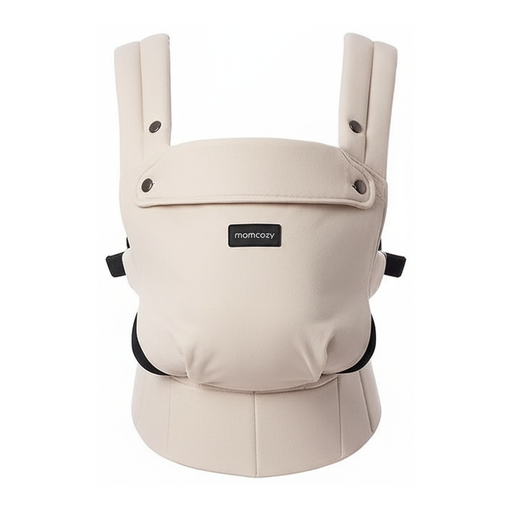
Why This Fits Their Persona: Useful for parents who walk, travel or manage daily errands and want a hands-free carrying option with adjustable positions.
The product information gives a defined 7–44 lb weight range and stresses visible airways, secure buckles and adult supervision rather than relying on appearance alone.
Features three adjustable sizing positions, padded straps, EVA lumbar support and a stated ergonomic “M” leg position.
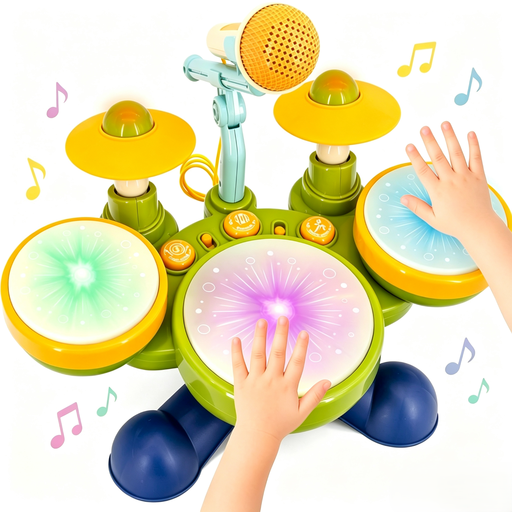
Why This Fits Their Persona: Designed for toddlers who enjoy active, noisy play, this musical toy suits family playrooms where adults want control over sound levels.
An adjustable volume dial addresses the common problem of musical toys being too loud for shared indoor spaces. Batteries are not included, so check the required type before gifting.
Includes light-up drum pads, cymbals, microphone and removable stand; listed for ages 1–3 with BPA-free ABS material information.
For a practical newborn gift, a soother try-it collection can provide different nipple shapes and materials in one pack. Buyers should check whether the baby has a latex sensitivity and follow sterilisation instructions carefully. A soother clip can reduce lost pacifiers during daytime use, but it must only be used while the child is awake and supervised. Never attach it to a cot, bedding or around the neck.
For older children, plush toys for children can work well as birthday gifts or Christmas gifts for children, provided the age warning matches the recipient. The 25cm Flooffees London plush mug designs, for example, are listed for ages 3+. They are better suited to cuddling, bedroom décor or desk use than to babies who may mouth soft toys.
We have compiled a complete, real-time list of products that fully satisfy these strict selection criteria and UK safety regulations.
Start with the child’s exact age, then check the product’s recommended age, warnings, materials and care instructions. For babies, avoid small detachable pieces, cords and products intended for older children. For toddlers, choose activities that match their motor skills and available play space.
Replacement timing depends on the product and its condition. The supplied soother guidance recommends replacing pacifiers every 4–6 weeks, or immediately if the nipple becomes damaged, weak, sticky or changes shape. Inspect before every use and follow the manufacturer’s cleaning instructions.
Many musical toys use replaceable batteries, while some sound machines use mains power and a rechargeable battery. Check whether batteries are included, whether the toy has volume control and whether the device requires Wi-Fi or an app. These details affect ongoing convenience more than the initial price alone.