
24/7 Customer Support

Free returns

Same-day & Next-day Delivery

Quality Guaranteed

Unlock Your Welcome Offers: FREE Delivery | Up to 80% OFF | Free 30-day JoyPlus trial
Download the APP
Moving from a bottle or breast to a cup is a significant milestone in your little one's development. But a quick search for baby trainer cups can leave any parent feeling overwhelmed. With options ranging from open cups and weighted straw designs to 360-degree rims, how do you choose the right one?
As the Joybuy Product Recommendation Officer, my role is to help you navigate these choices. This guide offers practical advice to help you find a suitable weaning cup that supports your child's developmental stage, is safe for them to use and makes your life as a parent just a little bit easier.
Choosing the right cup isn't just about preventing spills. It's about supporting your child's oral motor skills, coordination and independence. Here are a few key factors to consider.
Different cups are designed for different ages and abilities. Health professionals in the UK, including the NHS, often recommend introducing an open cup or a free-flow cup from around 6 months of age to help your baby learn to sip rather than suck.
When it comes to products for your child, safety is paramount. In the UK, all children's feeding products must adhere to strict safety regulations. For extra peace of mind, look for cups that are explicitly labelled as a BPA-free toddler cup. Many parents also prefer materials free from Phthalates and PVC. Food-grade plastics and silicone are common, durable and safe choices.
A cup that is difficult to clean can quickly become a hassle. Look for designs with minimal parts that are easy to disassemble and reassemble. Cups that are top-rack dishwasher safe offer added convenience for busy parents. For straw cups, check if a cleaning brush is included to ensure you can clean the inside of the straw thoroughly.
Based on their design features, materials and suitability for different developmental stages, here are some standout options to consider.
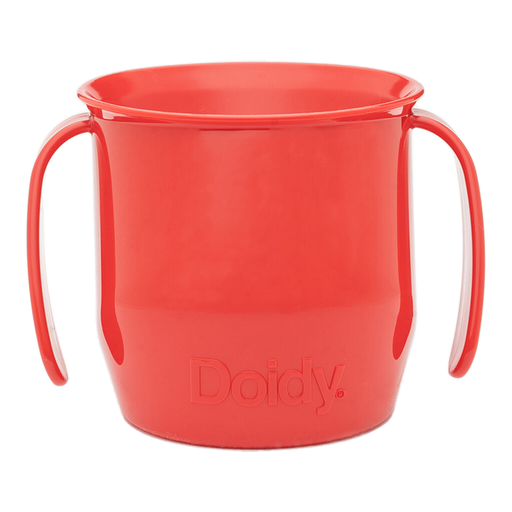
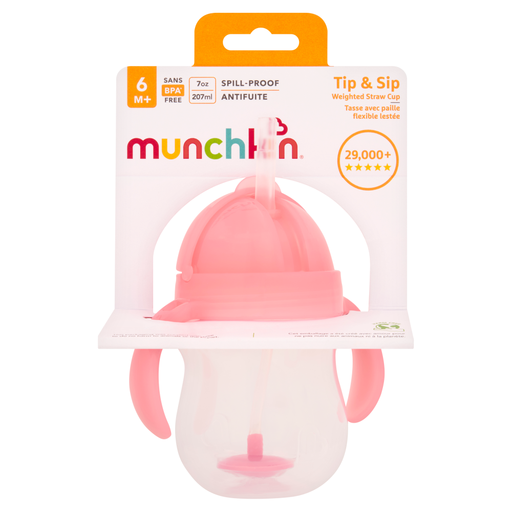

Every child learns at their own pace, and what works for one may not work for another. If a straw cup seems like the right fit for your little one, but you'd like to see more styles or sizes, you can explore a wider variety in our full collection.
Discover more options in our baby straw cup category.
The NHS generally advises introducing a cup from around 6 months of age to coincide with the start of weaning. This helps your baby learn to sip and can prevent them from becoming too attached to a bottle. Some cups, like the Doidy Cup, are designed to be used even earlier (from 3+ months) with expressed milk or formula.
While convenient, prolonged use of cups with hard spouts or no-spill valves that require strong sucking can affect how a child's teeth develop and may not encourage the sipping skills needed for an open cup. Dentists and speech therapists often recommend open cups or free-flowing spouts to promote a more natural drinking action and support healthy oral muscle development.
To ensure good hygiene, always disassemble the cup completely before washing. Use warm, soapy water and a bottle brush to clean all parts. For straw cups, use a dedicated small brush to clean the inside of the straw. Check the product instructions to see if it is top-rack dishwasher safe. Finally, allow all components to air dry completely before reassembling to prevent mould growth.