
24/7 Customer Support

Free returns

Same-day & Next-day Delivery

Quality Guaranteed

Unlock Your Welcome Offers: FREE Delivery | Up to 80% OFF | Free 30-day JoyPlus trial
Download the APP
Watching your little one transition from a bottle or breast to their first cup is a significant milestone. It is also a step that can introduce a surprising amount of mess into your home. With so many options on the market, finding the right baby training cup can feel overwhelming. Are you looking for a non-spill toddler cup to protect your carpets, or a first cup for baby that supports healthy oral development?
As the Joybuy Product Recommendation Officer, my role is to help you navigate these choices. This guide offers practical advice and highlights a few standout options to make the transition to independent drinking as smooth and mess-free as possible for you and your child.
Before we look at specific products, let's cover a few key features to consider. Focusing on these will help you select a cup that is safe, practical and suited to your child's developmental stage.
The first priority for any parent is safety. Look for cups explicitly labelled as a BPA free sippy cup. Materials like food-grade polypropylene and 100% soft silicone are common choices as they are durable, safe for your child and generally easy to clean. Many modern cups are also designed to be top-rack dishwasher safe, which is a great help for busy parents.
A good training cup should be more than just a container; it should support your baby's developing motor skills. A baby cup with handles is ideal for small hands learning to grip. The type of mouthpiece is also crucial. A soft spout can feel familiar and comfortable for a transition cup 6 months onwards, while a baby straw cup encourages the use of different facial muscles, which can be beneficial for speech development.
Let's be practical: spills are going to happen. However, a well-designed leak proof baby cup can significantly reduce the clean-up. Many cups use special valve systems or secure lids to prevent liquid from escaping, even when the cup is dropped or shaken. This feature is invaluable for use at home, in the car or on days out.
Here are a few recommendations that balance safety, functionality and thoughtful design to support your child's journey to independent drinking.
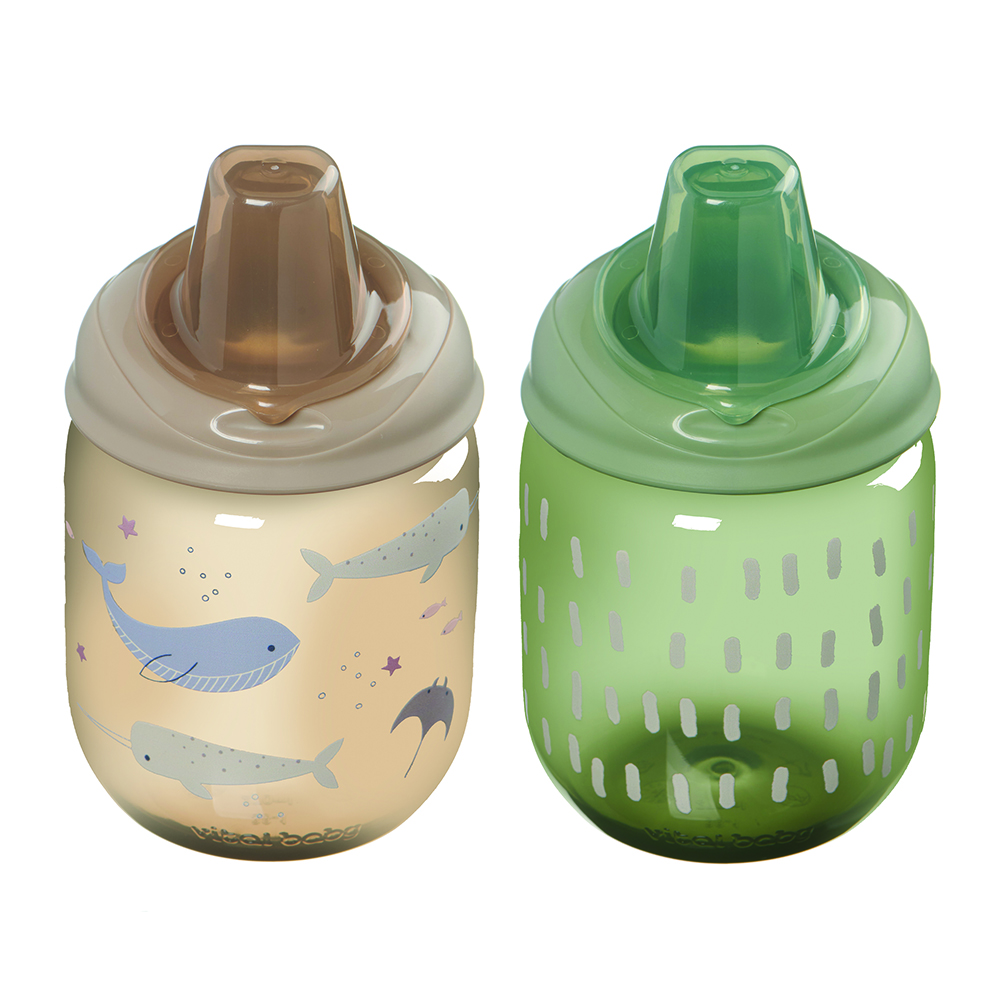
Why It Stands Out: This cup stands out for its eco-conscious design. The main body of the cup is made with EarthSmart technology, which allows the plastic to biodegrade in landfill conditions, offering a more responsible choice for environmentally aware families.
Pros:
Who is it for? This is an excellent option for parents who prioritise sustainability without compromising on functionality. It is a straightforward and effective spout cup for babies aged 6 months and older.
View Vital Baby Hydrate Little Sipper
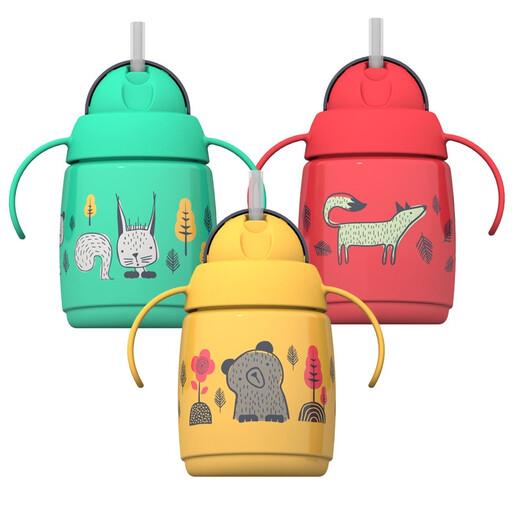
Why It Stands Out: This cup is engineered for active toddlers. Its weighted straw allows for drinking from any angle, and the brand's INTELLIVALVE technology provides a high degree of leak-resistance, even when shaken.
Pros:
Who is it for? Ideal for parents seeking a durable, highly leak proof baby cup for a toddler on the go. The weighted straw is particularly helpful for children just learning to use a straw cup.
View Tommee Tippee Superstar Training Straw Cup
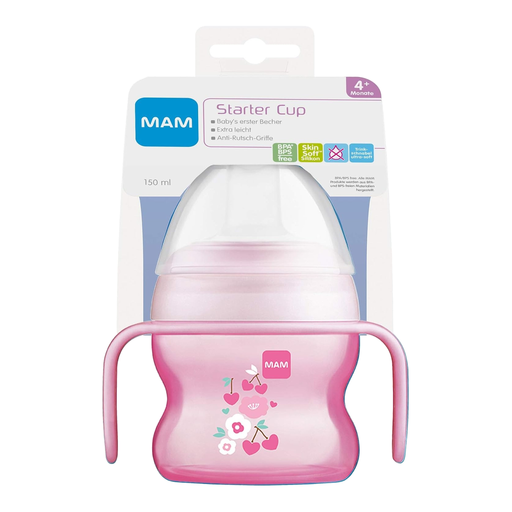
Why It Stands Out: Developed with medical experts, this cup is specifically designed to be a baby's very first cup. Its extra-soft spout and familiar SkinSoft silicone material make the transition from breast or bottle feel more natural.
Pros:
Who is it for? This is the perfect first cup for baby. It is an excellent choice for parents wanting to introduce a cup at an early stage (4-6 months) and who value a design that supports an easy, gentle transition.
View MAM Starter Cup with Soother
If these specific models are not quite what you are looking for, or if you are interested in exploring a wider variety of materials, our full collection offers many choices. Many parents find that cups made entirely from silicone offer a soft, durable and easy-to-clean alternative that is gentle on developing teeth.
Discover our complete range of silicone cups to find the perfect fit for your little one.
Most health professionals suggest introducing a cup around 6 months of age, which is often when babies start eating solid foods. However, some cups, like the MAM Starter Cup, are designed for use from 4 months. Key signs of readiness include being able to sit up with support and showing an interest in cups.
Both have their merits. A soft spout cup can be an intuitive first step from a bottle. A straw cup helps develop different oral motor skills and can be better for dental health in the long term as it encourages a different sipping motion. It often comes down to your baby's preference and what they take to most easily.
For thorough cleaning, it is important to completely disassemble the cup, including any valves, straws and seals. Wash all parts in warm, soapy water. Use a small brush, often included with straw cups, to clean inside the straw and spout. Always check the manufacturer's instructions to see if the parts are dishwasher safe (usually top-rack only). Allow all components to dry completely before reassembling to prevent mould growth.