
24/7 Customer Support

Free returns

Same-day & Next-day Delivery

Quality Guaranteed

Unlock Your Welcome Offers: FREE Delivery | Up to 80% OFF | Free 30-day JoyPlus trial
Download the APP
Hello, I'm the Joybuy Product Recommendation Officer. My role is to help you navigate the vast market of baby products, offering clear and practical advice to make your shopping decisions simpler.
Transitioning your baby from the breast or bottle to their first cup is a significant milestone. However, the sheer variety of options—from open cups and straw cups to 360-degree designs—can be overwhelming. This guide is designed to cut through the clutter, explaining what to look for in a baby training cup and highlighting a few standout options to support your little one's journey to independent drinking.
Choosing the right weaning cup is about more than just preventing spills. It plays a role in your child's development. Here are a few key factors to keep in mind.
The type of cup you choose can influence how your baby’s mouth, jaw and facial muscles develop. Health professionals in the UK often recommend moving away from traditional spouted cups once a child is ready.
Safety is paramount. Always look for a BPA free baby cup. BPA (Bisphenol-A) is a chemical that has been widely phased out of baby products due to health concerns. Reputable products will also be free from other substances like Phthalates and PVC. Food-safe plastic or silicone are common, durable materials that can withstand being dropped.
A cup needs to be practical for both you and your child. Consider features like:
Based on design, functionality and user feedback, here are our recommendations to help you find a suitable cup for your child's needs.
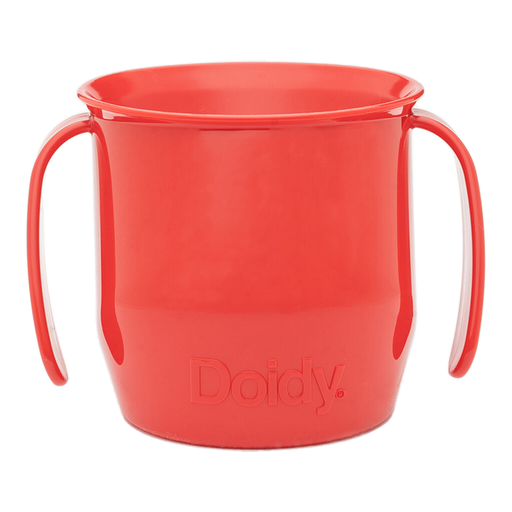
Why It Stands Out: The Doidy Cup is a classic for a reason. Its unique slanted design allows a baby to see the liquid without tilting their head excessively, making it an excellent tool for teaching the mechanics of drinking from an open cup for baby from a very young age.
Pros:
Who is it for? Parents who want to introduce an open cup from as early as three months and are focused on promoting natural oral development. Be prepared for some initial spills as this is part of the learning process.

Why It Stands Out: This cup provides the experience of drinking from a regular cup without the mess. Its clever 360-degree valve allows a child to drink from any edge, but the valve seals automatically when they stop sipping, making it a highly popular non-spill toddler cup.
Pros:
Who is it for? Parents of babies aged six months and older who are looking for a spill-proof solution that still helps their child transition towards using an open cup.
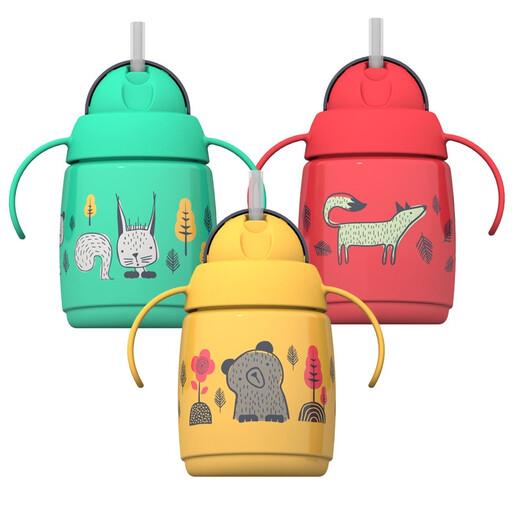
Why It Stands Out: This baby straw cup is built for active toddlers. The weighted straw allows for drinking from any angle, and its INTELLIVALVE technology offers impressive leak-proof performance, even when shaken or dropped.
Pros:
Who is it for? Parents of toddlers (6+ months) who need a highly durable and reliable leak-proof cup for use at home, in the car, or on days out.
Every child learns at their own pace, and what works for one may not work for another. If these recommendations aren't quite what you're looking for, there are many other styles and designs available.
Browse our full collection of baby water cup options to find the perfect match for your little one.
1. When should I introduce a training cup to my baby? The NHS generally advises introducing a cup from around six months of age, which is when weaning often begins. Some cups, like the Doidy open cup, can be introduced even earlier with a small amount of expressed milk or water to help your baby become familiar with the concept.
2. Are sippy cups with hard spouts bad for toddlers? While convenient, some dental and health professionals suggest that prolonged use of hard-spouted cups may interfere with the natural development of a child's palate and tooth alignment. Cups that encourage a sipping action, such as open, 360-degree or straw cups, are often recommended as alternatives for supporting healthy oral development.
3. How do I clean a non-spill toddler cup properly? To ensure hygiene, it is important to completely disassemble the cup, including any valves, seals or straws. Wash all parts in warm, soapy water or place them on the top rack of the dishwasher if the manufacturer's instructions permit. Allow all components to dry completely before reassembling to prevent the growth of mould.