
24/7 Customer Support

Free returns

Same-day & Next-day Delivery

Quality Guaranteed

Unlock Your Welcome Offers: FREE Delivery | Up to 80% OFF | Free 30-day JoyPlus trial
Download the APP
Moving from a bottle or breast to a cup is a significant milestone in your child's development. However, with so many options available—from spouted sippy cups to open cups and straw designs—choosing the right one can feel overwhelming. The goal is to find a baby training cup that supports your child's oral development, encourages independence and minimises mess.
As your Joybuy Product Recommendation Officer, my role is to help you navigate these choices. This guide offers practical advice and highlights a few carefully selected cups to help you find the perfect fit for your little one's weaning journey.
Before we look at specific products, here are a few key factors to consider during your search.
The ideal first cup for baby will differ from a cup for an active toddler.
Safety is paramount. Always look for a BPA free toddler cup. Most modern training cups are made from food-grade polypropylene (PP) or silicone, which are durable, lightweight and safe for your child. Check that the materials are easy to clean, ideally dishwasher-safe, to ensure proper hygiene.
Think about your daily routine. Do you need a cup that can be tossed in a changing bag without leaking? A toddler sippy cup with a secure lid and a non-spill valve is invaluable for travel. For home use, ease of assembly and cleaning is crucial. Cups with fewer parts are often simpler to wash and reassemble, saving you time and effort.
Here are a few standout options that cater to different stages of your child's drinking development.
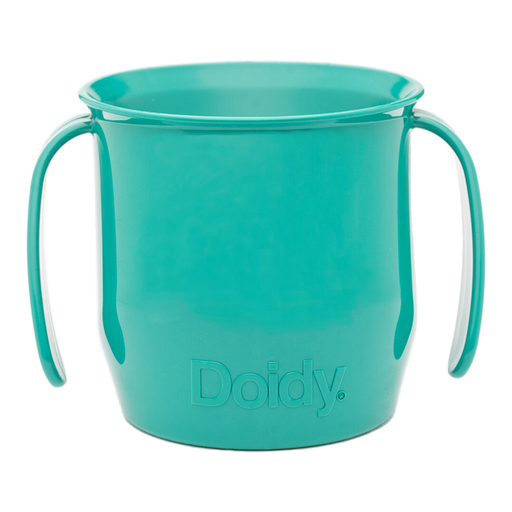
Why It Stands Out: The Doidy Cup’s unique slanted design is its defining feature. It allows your baby to see the liquid without tilting their head excessively, which helps develop hand-eye coordination and a natural sipping action.
Pros:
Who is it for? Parents who want to introduce an open cup from the very beginning of weaning to support their baby's natural oral development.
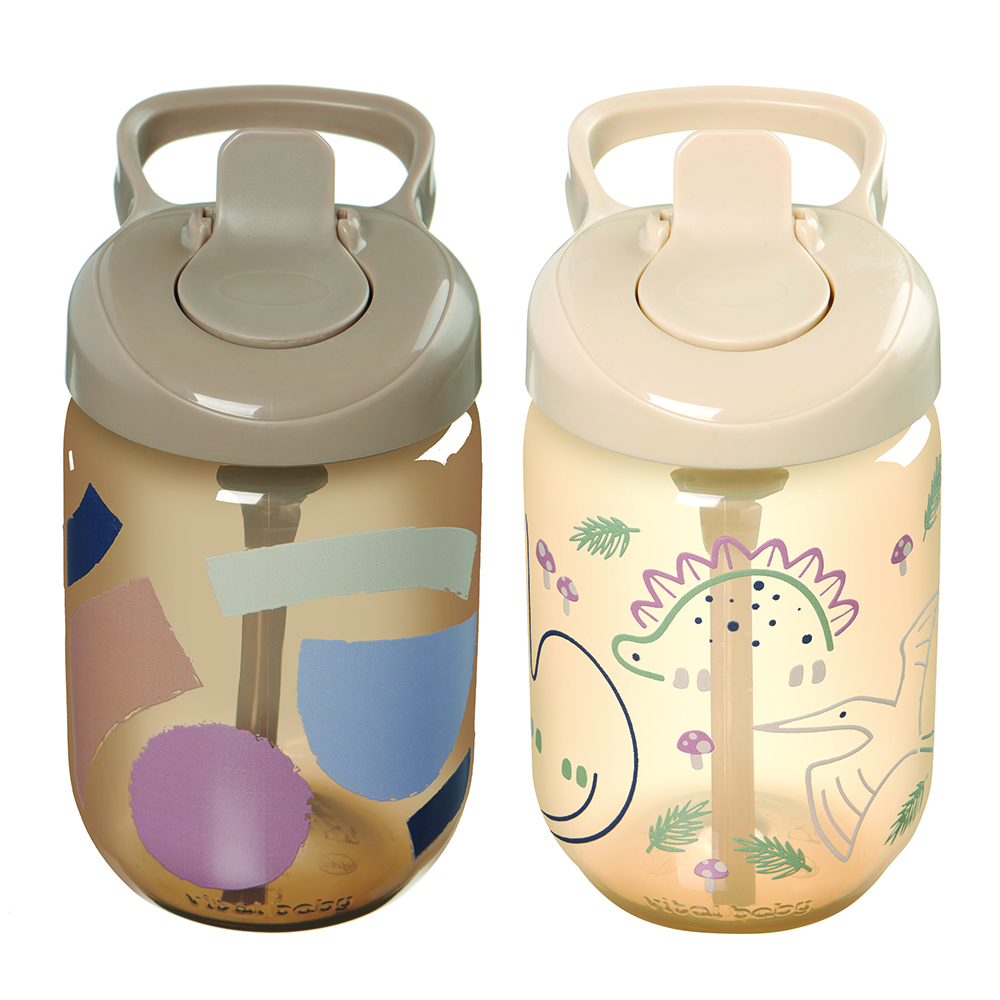
Why It Stands Out: This cup features a clever weighted straw that follows the liquid, allowing your toddler to drink from any angle. This functionality makes it a highly practical choice for active children who are still mastering coordination.
Pros:
Who is it for? Parents of active toddlers (12+ months) who need a reliable, non-spill cup for use at home, nursery or on days out.
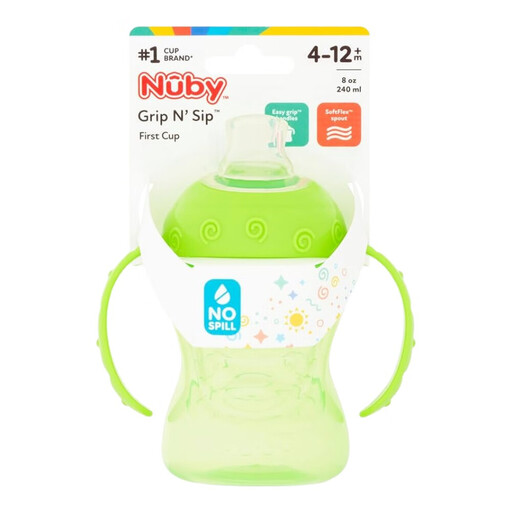
Why It Stands Out: The Nuby Grip 'n' Sip is designed as an ideal transition cup from bottle. Its SoftFlex silicone spout is gentle on gums and only releases liquid when the baby sips, thanks to the pressure-sensitive TouchFlo valve.
Pros:
Who is it for? Babies aged 4+ months who are just starting their transition from a bottle to a cup and need a soft, familiar-feeling spout.
If our recommendations aren't quite what you're looking for, or perhaps you need simpler, colourful cups for older children or outdoor use, you can explore a wider range of options. Our collection includes various durable blue plastic cups and other colours to suit different needs and occasions.
You can introduce a weaning cup around 6 months of age, which is when most babies begin eating solid foods. Some parents choose to introduce an open cup, like the Doidy, even earlier (from 3-4 months) with a small amount of milk to help their baby become familiar with the concept.
A sippy cup typically has a hard or soft spout that requires a baby to tilt the cup upwards to drink, similar to a bottle. A straw cup uses a different drinking action that can help develop different oral muscles. Many dentists and speech therapists favour straw cups and open cups over spouted sippy cups for long-term oral development.
Open cups are widely recommended by health professionals because they teach a mature sipping pattern that is beneficial for jaw and speech development. They prevent liquid from pooling around the teeth, which can help reduce the risk of tooth decay. While they can be messier initially, they are an excellent tool for teaching your child a lifelong skill.