
24/7 Customer Support

Free returns

Same-day & Next-day Delivery

Quality Guaranteed

Unlock Your Welcome Offers: FREE Delivery | Up to 80% OFF | Free 30-day JoyPlus trial
Download the APP
Transitioning your little one from a bottle or breastfeeding to their first cup is a significant milestone. With so many options available, from traditional toddler sippy cups to innovative 360 designs, choosing the right one can feel overwhelming. You want a cup that supports your child's development, is safe and durable and, most importantly, doesn't lead to constant puddles on the floor. This guide is designed to help you navigate the choices and find a suitable baby training cup for your child's needs.
Before looking at specific products, it helps to understand the key features that make a training cup a good fit for your child. Consider these points to narrow down your search.
The ideal first cup for a baby depends on their age and motor skills.
Safety is paramount when selecting any product for your child. Look for cups made from durable, food-grade materials. A BPA-free toddler cup is a standard expectation for most parents, and many brands also ensure their products are free from other chemicals like BPS, PVC and phthalates. Always check the product specifications for these assurances.
A cup that is difficult to clean can quickly become a hygiene concern. Look for designs with minimal parts that are easy to disassemble. Cups that are dishwasher-safe (usually top-rack only) offer great convenience for busy parents. Some models even feature innovative designs, like straws that open up, to make thorough cleaning simpler without needing special brushes.
Here are some standout options that address the different needs of babies and toddlers as they learn to drink independently.
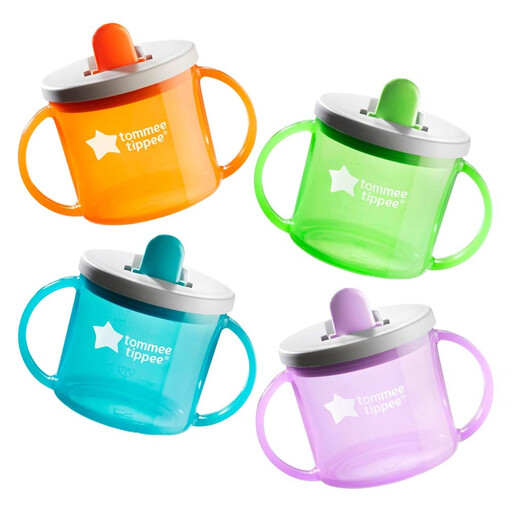
Why It Stands Out: This cup is specifically designed for the very first stage of transition. Its free-flow spout allows liquid to pour easily when tipped, teaching the cause-and-effect of drinking from a cup without the complex sucking action required by valve cups.
Pros:
Who is it for? This cup is an ideal starting point for babies aged 4 months and older who are being introduced to a cup for the first time.
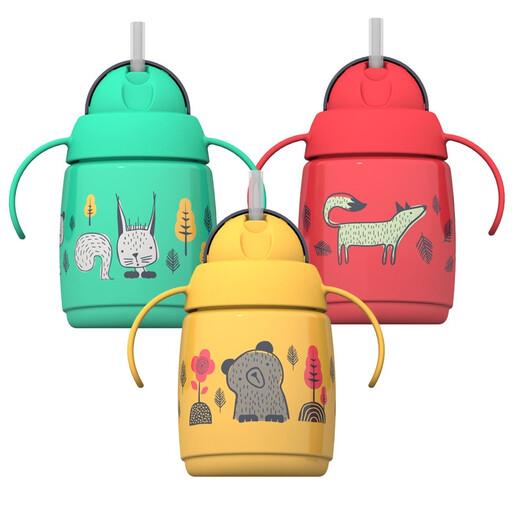
Why It Stands Out: This cup combines a weighted straw with what the brand calls INTELLIVALVE anti-leak technology. The weighted straw allows your child to drink from any angle, while the valve system is designed to be completely shake-proof and leak-proof.
Pros:
Who is it for? Parents looking for a highly reliable, non-spill straw cup for babies aged 6 months and up, especially for use during travel or active play.

Why It Stands Out: This cup directly addresses a common frustration for parents: cleaning narrow straws. Its straw is designed to zip open lengthwise, allowing for a thorough scrub with a regular sponge—no special tools required.
Pros:
Who is it for? Parents of toddlers (12+ months) who prioritise hygiene and want a hassle-free cleaning experience without sacrificing spill-proof performance.

Why It Stands Out: The Miracle 360 cup is a popular choice for its innovative, spoutless design. The 360° rim allows a child to drink from any edge, just like an open cup. The valve seals automatically when the child stops drinking, effectively preventing spills.
Pros:
Who is it for? Babies from 6 months old who are ready to learn how to drink from an open cup but still need a spill-proof solution.
Every child learns at their own pace, and what works for one may not work for another. If you haven't found the perfect match here, don't worry. There are many other styles and designs to explore.
Discover more choices in our full collection of Mixing Cups to find the right fit for your little one.
Most health organisations suggest introducing a cup around 6 months of age, which is often when babies start eating solid foods. Starting with a small amount of water can help them practise their new skills. Some parents choose to start as early as 4 months with a simple free-flow cup.
Prolonged and frequent use of any cup containing sugary drinks can contribute to tooth decay. However, the concern with some traditional sippy cups relates to hard spouts and the sucking motion required, which can affect oral development if used exclusively for a long time. Many modern toddler sippy cups, straw cups and 360-degree cups are designed to promote a more natural sipping action. Using cups for water between meals is a great way to encourage healthy habits.
To ensure your child's cup stays hygienic, disassemble all parts after each use. This includes removing lids, valves and straws. Wash them in warm, soapy water or place them on the top rack of the dishwasher if the manufacturer's instructions permit. Allow all components to air dry completely before reassembling to prevent mould growth. For cups with narrow straws, use a dedicated straw brush for a thorough clean.