
24/7 Customer Support

Free returns

Same-day & Next-day Delivery

Quality Guaranteed

Unlock Your Welcome Offers: FREE Delivery | Up to 80% OFF | Free 30-day JoyPlus trial
Download the APP
Choosing between an open rim, straw, spout or 360° design can make weaning feel more complicated than it needs to be. The right baby training cup should match your child’s stage, grip and drinking ability, while remaining practical for everyday cleaning and travel.
Marketing descriptions can also make similar-looking cups appear interchangeable. Before buying, watch for these common pitfalls.
A cup marked “3+ months” or “6+ months” indicates the manufacturer’s stated suitability, but it does not mean every baby is ready to use it at that age. UK parents should follow current weaning guidance and consider their child’s individual development. Babies should always be supervised when drinking.
A young infant may need an adult to hold and guide an open cup, whereas an older toddler may be ready to hold a toddler drinking cup independently.
A spill-proof sippy cup or sealed 360° cup can reduce leaks during normal use, but vigorous shaking, incorrect assembly or a worn valve can still cause drips. Products with seals, valves and straws need to be dismantled and cleaned properly. A cup that appears convenient but has inaccessible components may become frustrating to maintain.
A straw cup may suit a child who can manage suction, but it is not automatically the simplest first step. Similarly, an open cup encourages direct rim drinking but usually involves more spills during learning. Consider whether your priority is skill development at mealtimes, portability on a buggy journey or independent drinking at nursery.
A baby open cup has no spout or valve and allows a child to learn a direct rim-drinking action. Slanted open cups can make the liquid easier to see, while two handles may help small hands control the angle.
A transition cup with a 360° rim offers a middle ground. The child drinks around the edge, while a pressure-sensitive seal can reduce mess when they pause. A baby straw cup is useful for children who prefer sipping through a straw, particularly when travelling or drinking from different angles.
For babies listed as suitable for an infant cup from 3 months, check your child’s readiness rather than relying on the age marking alone. Use small amounts initially and follow the product instructions.
Look for clearly stated materials such as food-safe polypropylene, silicone and other food-contact plastics. Many products in this selection are described as BPA-free baby cups, with some also listed as free from phthalates and PVC. These details are useful, but they do not remove the need for regular inspection.
Before each use:
A dishwasher-safe baby cup can save time, but check whether this applies to the top rack only. Removable valves and straws should be cleaned thoroughly, as residue can collect inside narrow parts. Some straw cups include a dedicated cleaning brush, which may be worthwhile for regular use.
Capacity also matters. A 200–210ml cup is generally easier for small hands, while 266–300ml options may reduce refills for older toddlers. For a changing bag, a secure lid or flip-top cover helps protect the drinking surface.
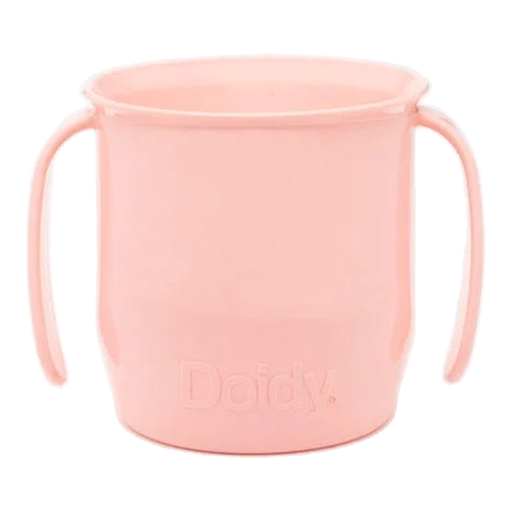
Why This Fits Their Persona: A straightforward choice for families introducing open-cup drinking at home, with two handles and a lightweight slanted design.
It does not rely on a teat or complex valve, so there are fewer internal parts to clean. Expect some initial spills while the child learns.
Slanted open rim; two handles; food-safe polypropylene described as BPA-, phthalate- and PVC-free; dishwasher safe.
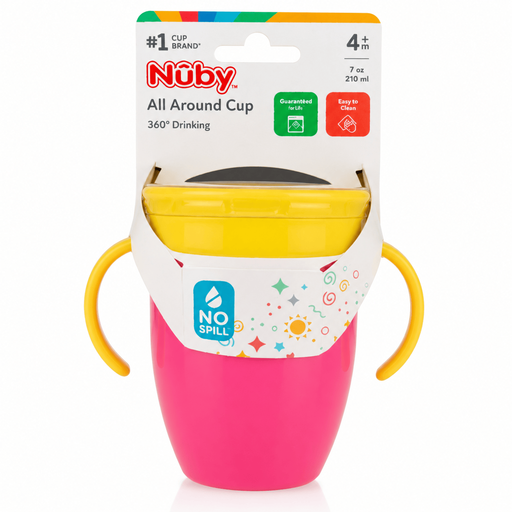
Why This Fits Their Persona: Suitable for parents seeking a covered rim design that supports practice while helping limit spills around the home or in a bag.
The pressure-sensitive silicone seal is designed to open when the child presses the rim, rather than leaving an exposed open cup in a changing bag.
360° drinking edge; watertight cover lid; minimal parts; BPA-free materials; top-rack dishwasher suitability listed.
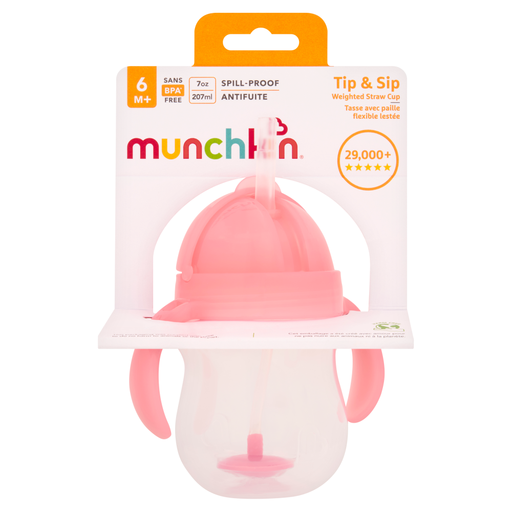
Why This Fits Their Persona: A practical match for active families who need a straw cup for prams, travel and varied drinking positions.
The weighted straw helps the child access liquid from different angles, while the included straw brush addresses the cleaning challenge of narrow components.
207ml capacity; easy-grip handles; flip-top straw cover; Click Lock seal; top-rack dishwasher suitability listed.
We have compiled a complete, real-time list of products that fully satisfy these strict selection criteria and UK safety regulations.
Some products are labelled for use from three months, but readiness varies. Use the manufacturer’s instructions alongside UK weaning guidance, introduce small amounts and supervise closely. A health visitor can offer individual guidance if you are unsure.
Inspect it before every use. Replace the cup or individual components when you notice cracks, clouding, torn silicone, a loose seal or persistent odour that cleaning does not remove. Frequent washing and sterilising, where permitted by the instructions, can also shorten the useful life of some parts.
An open weaning cup usually has the fewest parts. 360° cups can also be manageable when their valve is removable. Straw designs often need more attention because liquid can remain inside the straw, so a dedicated brush and full disassembly are helpful. Choose the design you can clean consistently rather than one that only appears convenient.