
24/7 Customer Support

Free returns

Same-day & Next-day Delivery

Quality Guaranteed

Unlock Your Welcome Offers: FREE Delivery | Up to 80% OFF | Free 30-day JoyPlus trial
Download the APP
Watching your little one take their first wobbly steps is a milestone moment. A baby walker can seem like the perfect companion for this journey, offering support and entertainment. However, the market is filled with options that can be confusing, and choosing the wrong one can lead to frustration and wasted money. As a Joybuy Product Recommendation Officer, my role is to help you navigate these choices by highlighting what truly matters.
Before you buy, be aware of these common pitfalls:
To make a confident choice, focus on these core parameters. They separate a worthwhile purchase from one you'll regret in a few months.
The most critical factor is safety. In the UK, look for toys that meet EN 71 safety standards. This indicates the product has been assessed for mechanical properties, flammability and chemical content.
A key feature for longevity is adjustability. An adjustable baby walker allows you to change the seat height to ensure your baby's feet can rest flat on the floor, promoting a natural walking posture.
Speed control is another valuable feature. Some walkers have adjustable wheels that can be tightened to create more resistance for early walkers, then loosened as they become more confident and mobile. This simple mechanism extends the useful life of the walker significantly.
The term "baby walker" covers several distinct product types, each suited to a different developmental stage.
Instead of a single "best" option, the right choice depends on your child's age, developmental stage and your family's lifestyle. Here are a few recommendations matched to different needs.
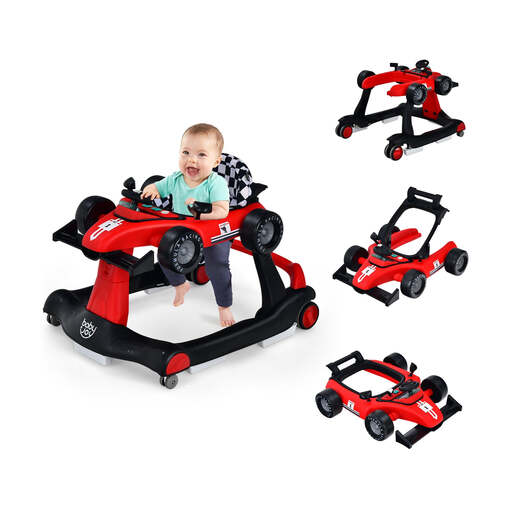
Why This Fits Their Persona: This model is ideal for parents who want a versatile first walker. It starts as a secure sit-in walker for babies around 6-18 months and converts to a push-behind walker as they gain confidence, offering good value through multiple stages.
It counters the "one-size-fits-all" illusion by including genuinely useful adjustable features. The 3-position height and adjustable wheel speed allow it to be properly configured for a child's specific size and ability, rather than being a poor compromise.
Its 4-in-1 design provides extended use, and the quick-folding mechanism makes it easy to store in smaller homes. The anti-slip stair pads are a key safety feature.
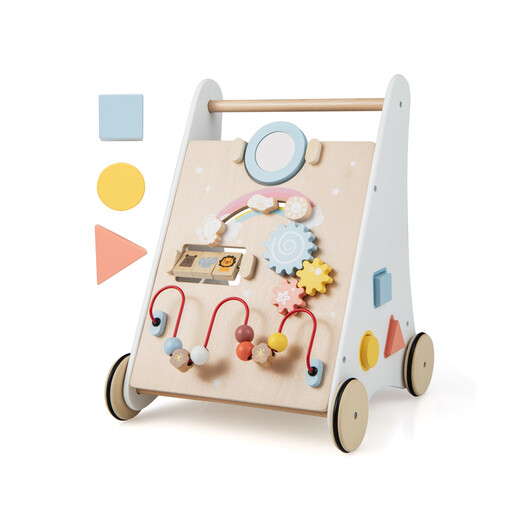
Why This Fits Their Persona: This is for the parent who values tactile, developmental play over electronic distractions. As a push-along walker and a comprehensive baby activity centre, it encourages motor skills and cognitive development with features like a shape sorter, gears and a bead maze.
It avoids the "flashy gimmicks" trap by focusing entirely on engaging, hands-on activities. The value is in the quality of the play experience, which helps with problem-solving and fine motor skills, rather than passive entertainment.
The 7-in-1 activity design offers huge play value. Its solid wood and MDF construction provides stability, and the non-slip rubber rings on the wheels protect floors and ensure a smooth push.
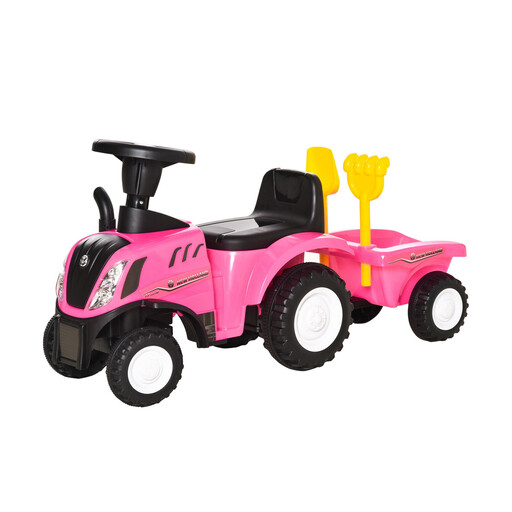
Why This Fits Their Persona: This is a fantastic next step for toddlers (12-36 months) who have mastered walking. It functions as both a push-along walker and a foot-to-floor toddler ride on, helping to build balance and leg strength. The rear cargo box and included sand toys make it perfect for imaginative play, indoors or out.
This product has a clearly defined purpose for a specific age group. It doesn't try to be a sit-in walker for young infants. Instead, it excels as a ride-on toy for confident walkers, avoiding the "master of none" pitfall by being great at what it's designed for.
The dual function as a walker and ride-on offers great play value. Its six-wheel design provides good stability on various surfaces, and the under-seat storage is a practical touch for carrying other small toys.
We have compiled a complete, real-time list of products that fully satisfy these strict selection criteria and UK safety regulations.
Most sit-in baby walkers are designed for babies who can sit up confidently on their own, which is typically around 6 months of age. They should no longer be used once a child can walk independently or exceeds the manufacturer's weight limit (often around 12kg). Push-along walkers are for the next stage, when a baby is already pulling up on furniture and attempting to stand. Always check the manufacturer's recommended age and weight guidelines.
Neither is inherently "better"; they simply serve different developmental stages. A sit-in walker offers support and mobility for a pre-walking baby. A push-along walker helps a baby who is already trying to stand to practise balance and take their first independent steps. Many parents find they use a sit-in model first, followed by a push-along walker a few months later.
Always check for the EN 71 safety certification. For sit-in walkers, ensure it has a wide, stable base and anti-tip pads if you have any steps or uneven flooring in your home. Regularly check that all parts are secure and that the height is correctly adjusted for your child. Most importantly, never leave a child unattended in a baby walker and always keep them away from stairs, open doorways to the outside and heat sources like ovens or fireplaces.