
24/7 Customer Support

Free returns

Same-day & Next-day Delivery

Quality Guaranteed

Unlock Your Welcome Offers: FREE Delivery | Up to 80% OFF | Free 30-day JoyPlus trial
Download the APP
Watching your little one take their first wobbly steps is a milestone every parent cherishes. As they transition from crawling to cruising, a baby walker can be a useful tool to support their newfound mobility and confidence. However, with so many types available—from sit-in models to push-along activity centres—choosing the right one can feel overwhelming.
As the Joybuy Product Recommendation Officer, my role is to help you navigate these choices. This guide offers practical advice and highlights a few versatile options to help you find a safe and engaging baby walker that suits your child's developmental stage.
Before looking at specific models, it's helpful to understand the key features that make a good walker. Consider these points to ensure you're selecting a product that is both safe and suitable for your child.
When it comes to baby equipment, safety is non-negotiable. Walkers sold in the UK should comply with safety standards, which include features designed to prevent common accidents. Look for a sit in baby walker with a wide, stable base that is difficult to tip over. Many models also include anti-slip pads or friction strips underneath, which can help stop the walker at the edge of a step. For a baby push walker, check for wheels with good grip or adjustable speed settings to prevent it from moving too quickly for an unsteady toddler.
Not all walkers are suitable for all ages. It's important to choose a style that aligns with your baby's physical abilities.
To get the most value, consider a multi-functional model that can adapt as your child grows. An adjustable baby walker with multiple height settings can accommodate your baby for longer. Many walkers also double as a baby activity walker, featuring built-in toys, lights and sounds that entertain and stimulate cognitive development. Some can even convert into a ride on walker for the toddler years, extending their use and your investment.
Based on their features, versatility and suitability for different developmental stages, here are a few standout options to consider.
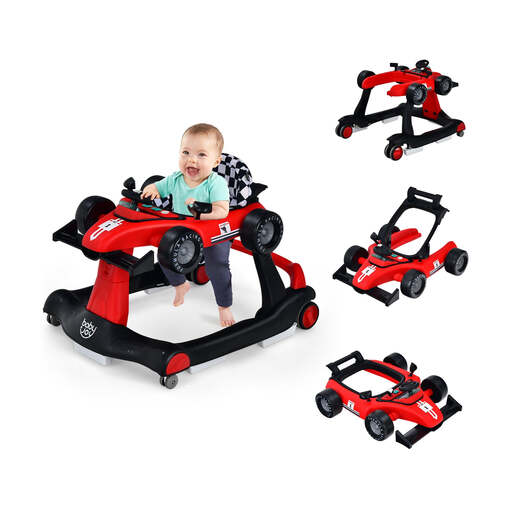
Why It Stands Out: This walker’s main strength is its impressive versatility. It transforms through four different modes—baby walker, push-behind, push car and rolling toy car—making it a product that truly grows with your child from their first supported steps to more confident play.
Pros:
Who is it for? This is an excellent choice for parents of babies aged 6 to 18 months who are looking for a single, adaptable product that can support their child from the early sit-in stage through to the push-along phase.
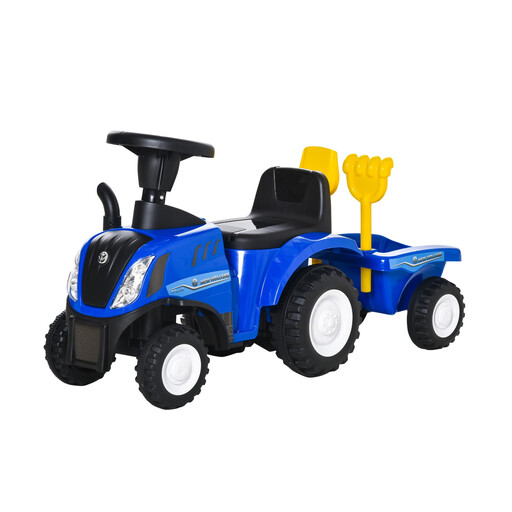
Why It Stands Out: Combining the function of a toddler walker with the fun of a ride-on toy, this tractor model encourages imaginative play. The foot-to-floor design helps toddlers improve their balance and coordination, while the included accessories add an extra layer of fun.
Pros:
Who is it for? Ideal for toddlers aged 12 to 36 months who are steady on their feet. It’s a great option for active children who would enjoy a toy that supports walking and doubles as an engaging ride-on vehicle.
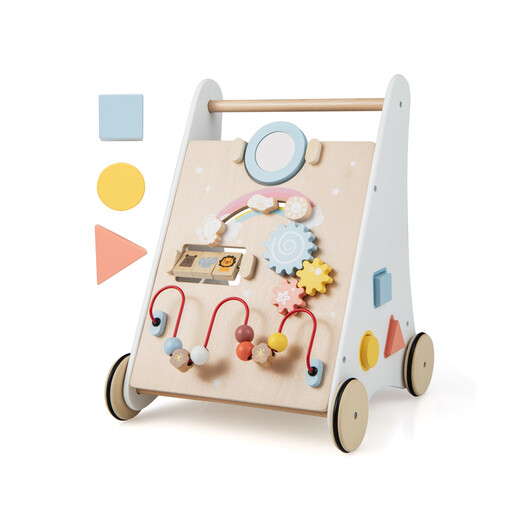
Why It Stands Out: This walker combines the classic appeal of a wooden baby walker with the modern engagement of a multi-activity centre. Its sturdy construction provides reliable support for new walkers, while the seven different built-in games help develop cognitive and fine motor skills.
Pros:
Who is it for? This is a perfect fit for families seeking a durable, traditional baby push walker for children aged 12 months and over. It’s particularly suited for those who value toys that offer both physical support and educational play.
These recommendations cover a range of needs, but every child is unique. If you are looking for a wider variety of models that encourage those first independent steps, you can explore our full collection of baby walker push alongs to find the perfect match for your little one.
This depends on the type of walker. A sit in baby walker is generally suitable from around 6 months, or whenever a baby can sit up firmly without assistance. A baby push walker is intended for older babies, typically 9-12 months and up, who are already able to pull themselves to a standing position and are ready to practise walking. Always refer to the manufacturer's specific age and weight recommendations.
Modern baby walkers sold in the UK must adhere to strict safety standards (EN 1273:2020) to minimise risks. Key safety features to look for include a broad, stable base to prevent tipping and mechanisms like friction strips to stop the walker at the edge of a step. Regardless of the safety features, constant adult supervision is essential whenever a child is using a walker.
The main difference lies in the level of support they provide. A sit in baby walker contains a fabric seat that supports the baby's weight, allowing them to sit and push themselves around with their feet. In contrast, a baby push walker has no seat; the child must stand independently and hold onto the handle to push it forward, using it for balance and support as they learn to walk.