
24/7 Customer Support

Free returns

Same-day & Next-day Delivery

Quality Guaranteed

Unlock Your Welcome Offers: FREE Delivery | Up to 80% OFF | Free 30-day JoyPlus trial
Download the APP
Watching your child take their first wobbly steps is a milestone filled with excitement and pride. As they gain confidence, you may be looking for a tool to support their journey. A baby walker can provide stability and encouragement as they transition from crawling to walking. However, with so many types available—from simple push-alongs to interactive activity centres—choosing the right one can feel overwhelming.
This guide is designed to help you understand the different types of walkers and what features to look for. As the Joybuy Product Recommendation Officer, my role is to provide clear, practical advice to help you find a safe and engaging option for your little one.
Before exploring specific models, it's helpful to know what makes a good walker. Focusing on safety, function and engagement will ensure you select a product that truly supports your child's development.
A walker's primary job is to provide support, so stability is non-negotiable. Look for models with a wide, sturdy base to prevent tipping. Wheels should be robust and, ideally, feature non-slip rubber rings. These not only provide better grip on smooth floors like wood or laminate but also protect your flooring from scratches. Always check that the product conforms to UK safety standards, such as EN71, which ensures it has been tested for safety.
The term 'baby walker' covers several designs, each suited to different stages:
first steps. They stand behind it, hold the handlebar and push it forward. It offers support as they practise balance and coordination.ride on walker allows them to sit and propel themselves forward with their feet. This is excellent for developing leg strength and motor skills. Many models combine both push-along and ride-on functions.activity walker keeps your child engaged while also helping to develop fine motor skills and cognitive abilities.Walkers are made from either wood or plastic. Wooden walkers are often praised for their durability and classic aesthetic. They tend to be heavier, which can add to their stability. Plastic walkers are lightweight and often come with more electronic features like lights and sounds. Both are excellent options, provided they are made from high-quality, non-toxic materials.
Here are a few recommendations that stand out for their design, features and developmental benefits.
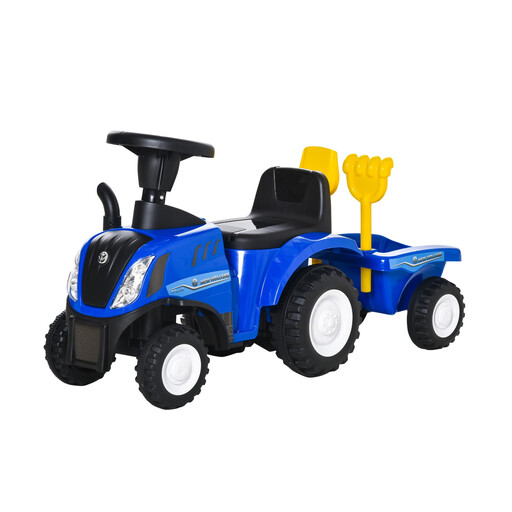
toddler walker and a foot-to-floor ride-on toy. The fun tractor design, complete with a horn, lights and even a detachable fork and shovel, provides hours of imaginative play. Its six-wheel design adds an extra layer of stability.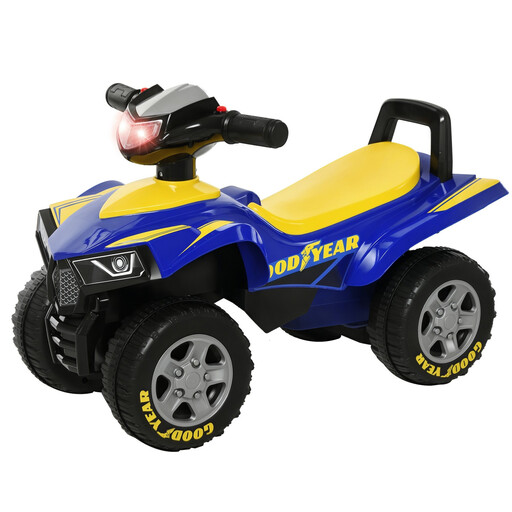
ride on walker, encouraging children to build leg strength and confidence by moving themselves. The design includes important safety features like anti-tipping hardware on the back.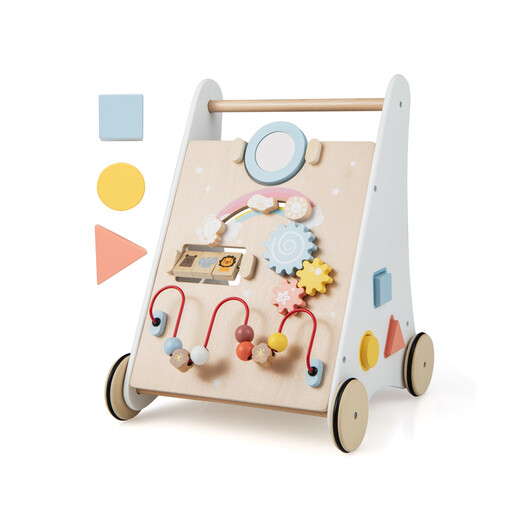
activity walker that combines walking support with developmental play. Made from solid wood and MDF, its sturdy, triangular structure is built for stability. The wheels are fitted with non-slip rubber rings to ensure a smooth, quiet and secure journey.walker for a 1 year old who is just starting to pull up and explore. The multitude of activities provides lasting entertainment and supports cognitive development long after they've mastered walking.Every child's developmental path is unique and the right walker is one that fits their specific needs and personality. If the recommendations above aren't quite what you're looking for, there are many other styles and designs to explore.
To see a wider selection, you can browse our full collection of baby toys for walkers to find the perfect match for your little one.
1. At what age can a baby use a push along walker? A push along walker is generally suitable once a baby can pull themselves up to a standing position and shows an interest in moving around, which is often between 9 and 12 months. It is important to always supervise your child while they are using a walker.
2. Are push walkers good for a baby's development? When used correctly, a push along walker can be a helpful tool. It can help a child build confidence, improve balance and strengthen their leg muscles as they learn to walk independently. An activity walker also provides added benefits by stimulating cognitive and fine motor skills.
3. What is the difference between a baby walker and a toddler walker? The terms are often used interchangeably. Historically, "baby walker" sometimes referred to sit-in models, which are now less common in the UK due to safety guidance. Today, the term usually refers to a push along walker or first steps walker that a child stands behind. These are also known as toddler walkers as they support a child through their toddler years.