
24/7 Customer Support

Free returns

Same-day & Next-day Delivery

Quality Guaranteed

Unlock Your Welcome Offers: FREE Delivery | Up to 80% OFF | Free 30-day JoyPlus trial
Download the APP
Watching your little one take their first wobbly steps is a milestone moment. As they transition from crawling to cruising, you might be considering a baby walker or mobility toy to support their newfound desire for independence. However, the market is filled with options, from traditional sit-in walkers and push along walker models to convertible trikes. It can be challenging to know which is the right and safest choice for your child's specific stage of development.
As the Joybuy Product Recommendation Officer, my role is to help you navigate these choices. This guide offers practical advice and highlights a few versatile options to help you find a mobility aid that is engaging, safe and provides lasting value for your family.
Before looking at specific products, it's helpful to understand the key features that matter most. Keeping these points in mind will help you make a more informed decision.
When it comes to any product for your child, safety is paramount. In the UK, look for products that comply with safety standard EN 71. For sit-in walkers, a wide, sturdy base is crucial to prevent tipping. Many models also include anti-slip pads or friction strips that act as a brake near steps. For a push along walker or sit to stand walker, check for wheels with adjustable tension or non-slip rubber rings. This feature allows you to control the speed, preventing the walker from running away from a beginner.
Babies grow quickly, and a toy that is only useful for a few months may not offer the best value. Many modern designs are convertible, adapting as your child develops. A walker might transform into a push-along toy, or a toddler trike with handle can be modified as your child grows, eventually becoming their first independent tricycle. Products that incorporate a baby activity centre also provide extended play value, keeping your child entertained even when they aren't on the move.
Not all walkers are suitable for all ages. Understanding the different types helps you choose the most appropriate one:
Based on versatility, safety features and user feedback, here are a few standout options that cater to different needs and age ranges.
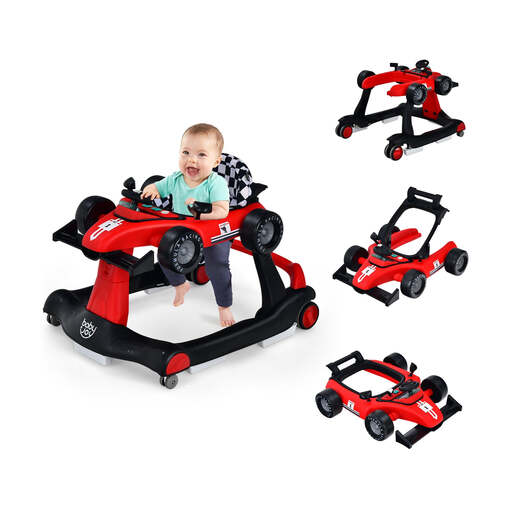
Why It Stands Out: This walker's main strength is its adaptability. It cleverly transforms through four different modes: a traditional baby walker, a push-behind walker, a push car and a rolling toy car. This 4-in-1 design means it grows with your child, offering excellent long-term value. The adjustable height and speed settings allow you to customise it for your baby's comfort and safety.
Pros:
Who is it for? This is an excellent choice for parents of infants aged 6 to 18 months who want a single, versatile product to support their child from sitting through to their first independent steps.
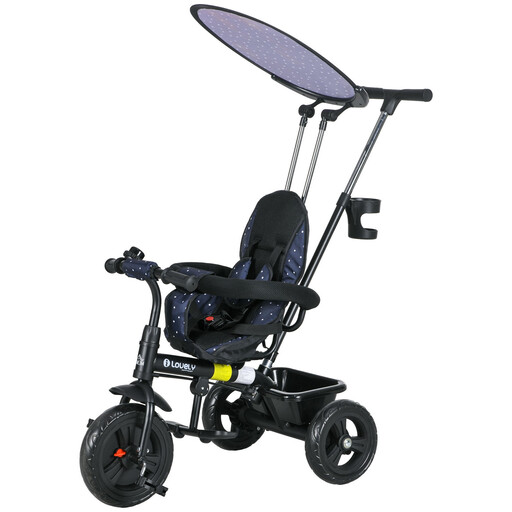
Why It Stands Out: If you are looking for a product with true longevity, this toddler trike with handle is a remarkable option. It’s designed to evolve through six stages, starting as a parent-steered stroller for a 1-year-old and gradually stripping down to a fully independent tricycle for a child up to 5 years old. It bridges the gap between a pushchair and a first bike.
Pros:
Who is it for? This is ideal for families seeking a long-term outdoor mobility toy that provides value for years. It’s perfect for toddlers who have outgrown a traditional walker but still need parental guidance on walks.
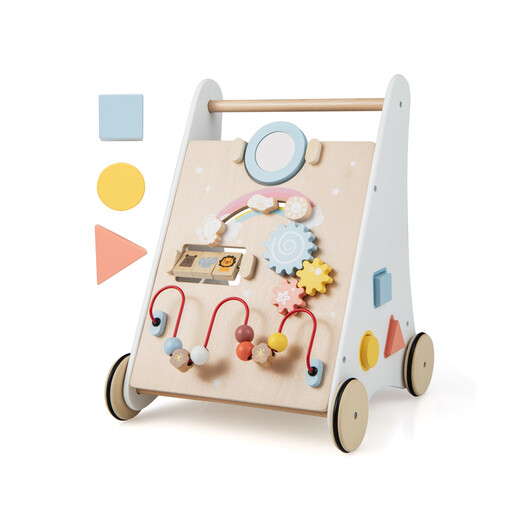
Why It Stands Out: This product combines the classic appeal of a wooden baby walker with the engagement of a multi-faceted baby activity centre. It functions as a sturdy sit to stand walker to help toddlers build confidence, while its seven different play panels—including a shape sorter, bead maze and rotating gears—stimulate cognitive and fine motor skills.
Pros:
Who is it for? This is a great fit for parents who prefer traditional, non-electronic toys and are looking for a push-along walker that also serves as a rich, educational play station for toddlers aged 12 months and up.
While these three products offer fantastic versatility, every child's needs are unique. If you're searching for different styles, from simple ride on toys to other types of walkers, our full collection has something for every little explorer.
Browse our complete range of Baby & Toddler Toys to find the perfect match for your family.
This depends on the type of walker. Sit-in walkers are generally suitable once a baby can sit up unassisted, typically around 6 months. Push-along or sit-to-stand walkers are intended for babies who are already pulling themselves up to a standing position, usually from 9-12 months. Always check the manufacturer's recommended age range for any specific product.
One is not necessarily "better" than the other; they serve different purposes at different developmental stages. A sit-in walker provides contained support and entertainment for a pre-walking baby. A push-along walker is designed to help a child who is already beginning to stand and cruise, encouraging them to practise a more natural walking motion. The right choice depends entirely on your child's current abilities.
Key safety features include a wide, stable base to prevent tipping and compliance with UK safety standards like EN 71. For sit-in models, look for friction strips or "stair pads" underneath. For push-along walkers, wheels with adjustable tension or non-slip rubber rings are important to control the speed and ensure the walker doesn't move too quickly for your child.