
24/7 Customer Support

Free returns

Same-day & Next-day Delivery

Quality Guaranteed

Unlock Your Welcome Offers: FREE Delivery | Up to 80% OFF | Free 30-day JoyPlus trial
Download the APP
Baby wipes are a daily essential for many UK households, whether you are managing newborn nappy changes, nursery bags, travel clean-ups or messy mealtimes. However, packaging can make similar products look interchangeable when important differences may affect comfort, convenience, environmental impact and overall value.
Before adding a multipack to your basket, look beyond phrases such as “pure”, “natural” or “eco-friendly”. The material, formula, pack design and disposal instructions all deserve a closer look.
A water-based formula may still contain preservatives, botanical extracts, cleansing agents or fragrance. If your baby has sensitive skin, check the full ingredient list rather than relying only on the front label. Fragrance-free baby wipes and alcohol-free options may be preferable when you are trying to keep the routine simple.
A minimal formula is not automatically suitable for every child. Stop using a wipe if redness, itching or discomfort occurs, and seek medical advice if symptoms persist.
Biodegradable baby wipes and plastic-free baby wipes should still go into a household waste bin unless the packaging clearly states otherwise. Most baby wipes can contribute to blocked pipes, even when they are made from plant-based fibres. In the UK, “flushable” claims should not be treated as permission to flush routinely.
Check whether the claim applies to the wipe itself, the packaging or both. Some products use plant-based cellulose or bamboo fibres while their outer packaging requires separate recycling arrangements.
Bulk baby wipes can reduce the number of shopping trips, but a very large supply takes up cupboard space and can dry out if packs are poorly sealed. Consider how many wipes your household uses, whether you have room for storage and whether individual packs are convenient for a changing bag or nursery.
A resealable lid or label helps retain moisture. Keep unopened and opened packs in a cool, dry place, away from direct heat, and follow the manufacturer’s recommended use period after opening.
For newborn baby wipes, look for clear age guidance, particularly if you plan to use them from birth. Products described as sensitive, hypoallergenic or fragrance-free may suit families seeking a simpler cleansing routine, but these terms do not guarantee that every baby will tolerate them.
Review the ingredients for:
Water-based baby wipes can contain considerably more than water, so read the ingredient panel. A product containing 99% or 99.9% purified water may still include a small amount of another ingredient.
The word “natural” can describe the formula, the fibres or both. If environmental impact matters to you, check for specific material information such as 100% plant-based fibres, plastic-free construction, bamboo or regenerated cellulose.
Certifications can provide useful context, but they apply to different aspects of a product. For example, FSC or PEFC references relate to responsible fibre sourcing, while OEKO-TEX certification concerns specified tested materials and substances. Always check the certification details on the product packaging.
Thicker or larger wipes may be useful for particularly messy nappy changes, while standard-sized sheets can be easier to pull out one-handed. A compact 60-wipe pack may suit a changing bag, whereas a multi-pack of 48- or 80-wipe packs can be more practical for home storage.
For everyday baby wipes for nappy changes, compare the total number of wipes as well as the price per pack. A lower shelf price is not necessarily lower cost per wipe.
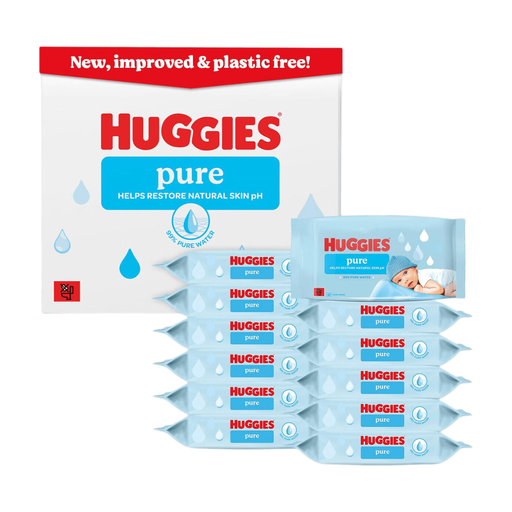
Why This Fits Their Persona: The 12-pack format provides 576 wipes, giving new parents a sizeable home supply without moving immediately to the largest available case.
The listing specifies fragrance-free, alcohol-free and 99% pure water-based cleansing, helping shoppers avoid relying on vague “pure” wording alone.
The wipes are listed as plastic-free, made from naturally derived fibres and suitable from 0 months+, with resealable packaging.
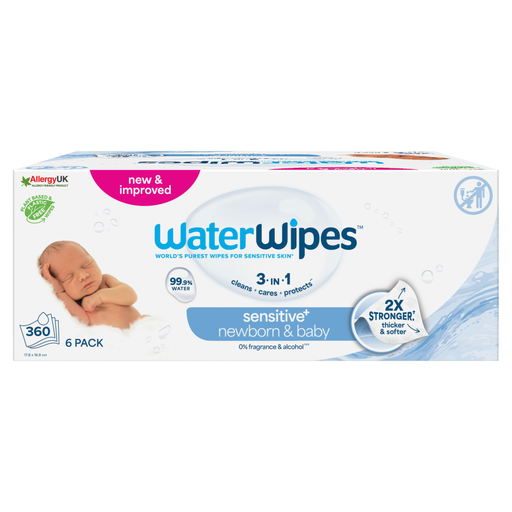
Why This Fits Their Persona: Families prioritising a short ingredient list may appreciate the stated formula of 99.9% purified water and grapefruit seed extract, supplied in six 60-wipe packs.
The ingredients are clearly specified rather than hidden behind a general “gentle” description. The wipe material is also listed as plant-based and plastic-free.
The product is listed as fragrance-free, alcohol-free and suitable from birth, including newborn use.

Why This Fits Their Persona: The 960-wipe format is suited to frequent nappy changes, multiple children, nursery use or households that prefer fewer replenishment orders.
The listing gives a precise total quantity and states that the wipes are unscented, plastic-free and made from biodegradable plant fibres.
The product specification lists 99% purified water, three-times-thicker material and 80 wipes per pack.
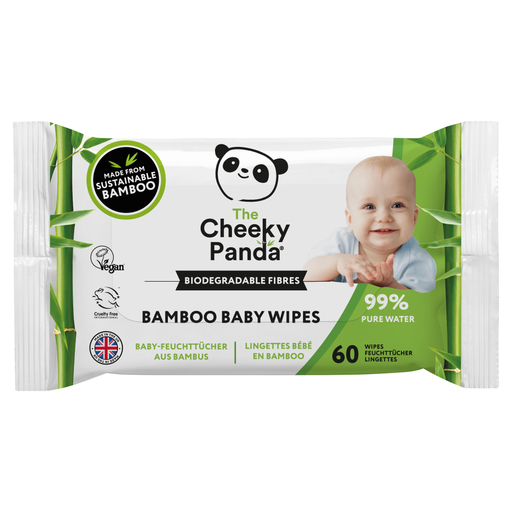
Why This Fits Their Persona: Suitable for shoppers seeking bamboo-based, plastic-free wipes with a 60-wipe pack format for home, travel or nursery use.
The listing identifies FSC-certified bamboo fibres and states that the wipes are plastic-free and biodegradable, while still advising household-bin disposal.
The formula is listed as 99% purified water with aloe vera and fruit extract, and the wipes are fragrance-free.
We have compiled a complete, real-time list of products that fully satisfy these strict selection criteria and UK safety regulations.
Many products are labelled suitable from 0 months, but formulas differ. Check the age guidance and ingredients, especially when choosing wipes for a newborn or baby with sensitive skin. Fragrance-free options with a short ingredient list may be worth considering.
There is no single lifespan for every product. Reseal the pack after each use and follow the instructions on the label. Discard wipes if they become dry, discoloured or develop an unusual smell.
No. Dispose of used wipes in a household waste bin, even when they are labelled biodegradable or plastic-free. This helps reduce the risk of blocked plumbing and protects waterways.