
24/7 Customer Support

Free returns

Same-day & Next-day Delivery

Quality Guaranteed

Unlock Your Welcome Offers: FREE Delivery | Up to 80% OFF | Free 30-day JoyPlus trial
Download the APP
For UK parents, baby wipes are a daily essential for nappy changes, nursery bags, travel and quick clean-ups. However, choosing a suitable pack is not simply a matter of picking the lowest price. Formula, fabric, pack size and disposal instructions can all affect whether wipes are practical for your household.
The Joybuy Product Recommendation Officer’s approach is straightforward: look past broad marketing language and check the details that affect everyday use.
Terms such as natural, pure and plant-based do not describe the complete formula. A wipe may use plant-based fibres but still contain fragrance, preservatives or botanical extracts that do not suit every child.
For newborns or babies with easily irritated skin, compare the full ingredient list. Fragrance-free baby wipes, alcohol-free formulas and products with fewer ingredients may be a sensible starting point. Even products labelled hypoallergenic or suitable for sensitive skin should be stopped if redness or irritation develops.
A wipe can be described as biodegradable without being suitable for a toilet. Most baby wipes, including plastic-free baby wipes, should go into household waste unless the packaging specifically states otherwise. Even then, local drainage guidance matters.
Nappy-changing wipes should not be flushed. Toilet wet wipes are designed for a different purpose, but “flushable” claims should be checked carefully rather than assumed to apply to all wet wipes.
A large box may appear economical, but wipes can dry out if individual packs are opened faster than they are used. Check the number of packs, sheet count per pack, resealable lid and storage instructions. Smaller packs can be more convenient for a changing bag, while bulk packs may suit families with frequent nappy changes.
For newborn wipes, review whether the formula is:
A simple formula is not automatically a guarantee of suitability. For example, some water-based baby wipes include a botanical extract, so read the packaging rather than relying only on the front label.
Plastic-free baby wipes commonly use regenerated cellulose or other plant-based fibres. This can help shoppers avoid conventional plastic-based non-woven materials, but it does not mean the used wipe should be composted at home or flushed.
“Biodegradable wet wipes” may break down under specific conditions and timeframes. Look for clear information about the wipe material, certification and disposal method. Packaging recyclability can also depend on local UK collection facilities.
Standard sheets are convenient for nappy changes, but XL wipes can cover more surface area when cleaning a baby from head to toe. Thicker or stronger wipes may also be useful for messy mealtimes.
Do not use one product type for every hygiene task. Gentle cleansing wipes for babies are not necessarily suitable for toilet use, make-up removal or adult personal care. Adult body wipes are generally larger and may contain a different cleansing formula.

Why This Fits Their Persona: A 60-count pack offers a manageable option for new parents comparing everyday baby care essentials without committing to a large multipack.
The product is listed as fragrance-free, alcohol-free and made from plant-based, plastic-free fibres, with clear instructions to dispose of used wipes in a bin.
Aloe vera is included in the formula, and the resealable pack is suitable for nappy changes, hands and faces.

Why This Fits Their Persona: The three-pack format suits households wanting a consistent newborn wipe for home, nursery bags and outings.
The listed formula contains 99.9% purified water and grapefruit seed extract, with no fragrance or alcohol; the wipes are identified as plant-based and plastic-free.
The pack contains 180 wipes across three 60-count packs, and the sheets are described as thicker, softer and stronger than the previous version.

Why This Fits Their Persona: The 24-pack format is suited to families with frequent nappy changes, several children or a preference for keeping supplies in multiple rooms.
The listing identifies the wipes as fragrance-free, hypoallergenic and made with 99% pure water and naturally derived fibres.
The bulk set contains 1,152 wipes in 24 packs, with resealable packaging and sheets intended for hands, faces and bottoms.
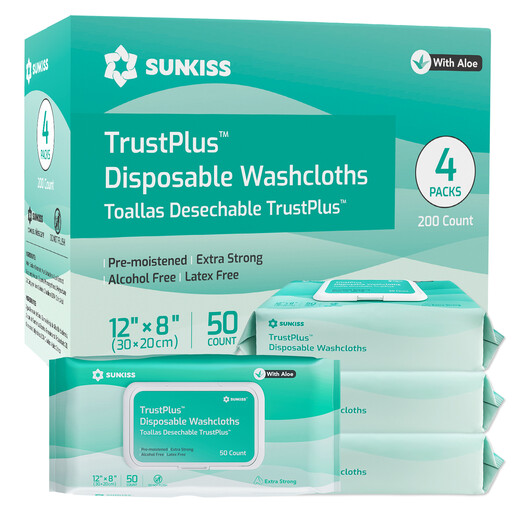
Why This Fits Their Persona: Designed for adult body cleansing, these wipes may suit carers, travel, camping, gym use or situations where a shower is unavailable.
The product is specified as fragrance-free, alcohol-free and latex-free, and its large sheets are intended for adult body cleansing rather than baby nappy care.
Each wipe measures 20 cm by 30 cm, includes aloe vera and vitamin E, and comes in a 200-count supply across four packs.
We have compiled a complete, real-time list of products that fully satisfy these strict selection criteria and UK safety regulations.
Some products are labelled suitable from 0+ months or for newborn use, but suitability depends on the individual formula and your baby’s skin. Check the product label, use gently and stop if irritation appears. For persistent skin concerns, seek advice from a qualified healthcare professional.
There is no universal lifespan. Follow the packaging guidance and keep the lid firmly closed. If wipes become dry, discoloured or develop an unusual smell, replace the pack. Buying several small packs rather than one very large opened pack can help maintain moisture.
Not automatically. Baby wipes should not be flushed, including many biodegradable or plant-based options. Toilet wet wipes may carry specific disposal instructions, but shoppers should still follow the packaging and local UK drainage guidance.