
24/7 Customer Support

Free returns

Same-day & Next-day Delivery

Quality Guaranteed

Unlock Your Welcome Offers: FREE Delivery | Up to 80% OFF | Free 30-day JoyPlus trial
Download the APP
Choosing baby wipes is rarely as simple as picking the largest pack or the product with the most reassuring wording on the label. Newborn skin may need a minimalist formula, while toddlers often need thicker sheets for messy meals, nursery outings and travel. Environmental claims also require careful reading.
This guide explains the practical details to check before buying, then matches selected products to different household needs.
A water-based baby wipe can still contain preservatives, cleansing agents, botanical extracts or fragrance. These ingredients are not automatically unsuitable, but families dealing with sensitive or eczema-prone skin may prefer a shorter ingredient list.
Look beyond the front of the pack. Compare the full ingredients list and consider starting with fragrance-free baby wipes if your child is prone to dryness or irritation. Even products described as gentle or hypoallergenic should be stopped if redness or discomfort develops.
A wipe may be made from plant-based fibres without being suitable for composting at home. “Biodegradable” can also depend on disposal conditions and the time required to break down. Check whether the product specifies plastic-free, plant-based or certified fibres, rather than relying on a broad eco-friendly statement.
Most baby wipes should go in household waste. Do not flush them, even when a different type of personal hygiene wipe is marketed as flushable. Packaging instructions take priority, and bin disposal helps reduce blockage risks.
A 960- or 1,152-wipe box may offer convenience, but it needs dry, accessible storage. Once opened, a poorly sealed pack can dry out, creating waste and reducing value. Bulk purchases work best when each pack has a secure resealable lid and the household has enough daily use to get through the supply sensibly.
For nursery bags, hospital visits and holidays, smaller packs can be more practical than transferring wipes to another container. Some products specifically advise keeping wipes in their original packaging.
For newborn baby wipes, prioritise the features that match your child rather than simply choosing the longest list of benefits. Useful points to compare include:
A product described as hypoallergenic or dermatologically tested is not a guarantee that every child will tolerate it. Patch testing a small area and observing the skin is a sensible approach.
Plant-based baby wipes may use cellulose, bamboo or other fibres. Look for specific material information rather than relying on terms such as “natural”. A thicker sheet can be useful for nappy changes and sticky food, but thickness alone does not determine softness or value.
Plastic-free baby wipes can reduce plastic in the wipe substrate, although the outer packaging may still contain plastic or mixed materials. Check the disposal guidance and local recycling facilities.
Calculate the price per wipe rather than judging value from the headline pack price. Multipacks may suit regular home use, while travel packs reduce the risk of carrying a large packet in a changing bag.
Resealable lids or labels help retain moisture. Store packs away from heat and direct sunlight, and dispose of used wipes in a bin. For families trying to reduce consumption, a washable cloth and water may be suitable for some routines, with wipes reserved for outings and difficult clean-ups.

Why This Fits Their Persona: A straightforward 60-wipe pack for new parents who want a manageable starting quantity for home, nursery or a changing bag.
It is listed as fragrance-free and alcohol-free, while the 60-count format avoids committing to a large bulk purchase before checking skin compatibility.
Plant-based, plastic-free fibres and added aloe vera; resealable packaging helps retain moisture.
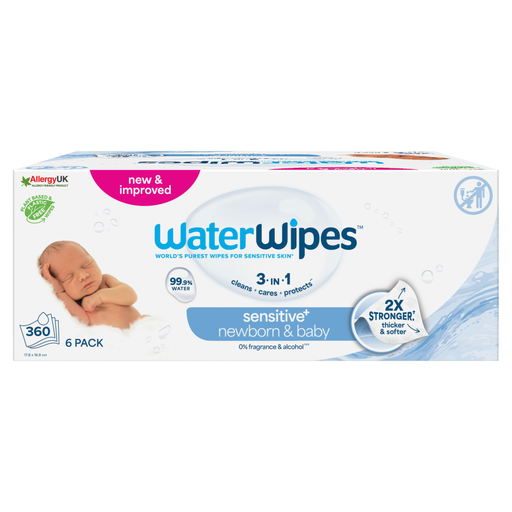
Why This Fits Their Persona: A six-pack format for families who prefer a minimal formula and want a substantial supply for frequent nappy changes.
The listed formula contains 99.9% ultra-purified water and grapefruit seed extract, with no added fragrance or alcohol.
360 wipes in total; plant-based, plastic-free wipe material and suitability listed from 0+ months.

Why This Fits Their Persona: Designed for households using wipes throughout the day, including multi-child families and carers who need a sizeable reserve.
The product information specifies unscented wipes, 99% purified water and plastic-free cellulose, rather than relying only on general eco wording.
960 wipes, thicker plant-based material and OEKO-TEX certification number 25.HUS.21538 Hohenstein as listed by the product.
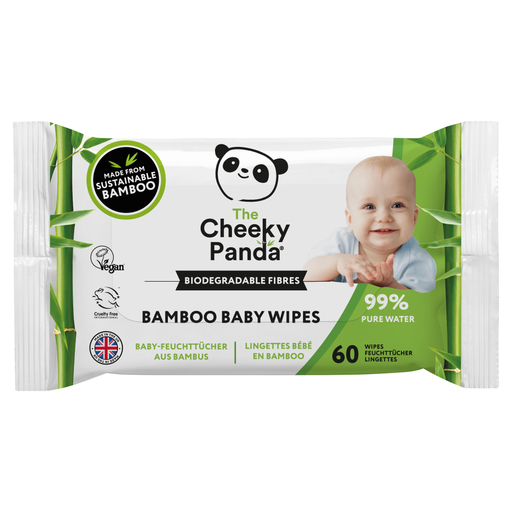
Why This Fits Their Persona: A single-pack option for shoppers prioritising bamboo fibres, fragrance-free care and clearly stated material credentials.
The description identifies 100% FSC-certified bamboo fibres and states that the wipes are plastic-free; used wipes still belong in household waste.
99% purified water, fragrance-free formulation and resealable packaging for home or on-the-go use.
We have compiled a complete, real-time list of products that fully satisfy these strict selection criteria and UK safety regulations.
They may suit newborn routines, particularly when the formula also avoids alcohol and has clear guidance from 0+ months. However, read the complete ingredients list and monitor your baby’s skin. Stop using any wipe that causes redness or irritation, and seek medical advice for persistent skin concerns.
The practical lifespan depends on the product instructions, seal quality and storage. Reseal the pack immediately after each use and keep it in a cool, dry place. Some wipes recommend use within two weeks, while others specify a longer period. Follow the label rather than assuming all packs have the same opening life.
Do not flush baby wipes unless the packaging specifically gives clear flushability instructions. Most biodegradable baby wipes, plastic-free baby wipes and plant-based baby wipes should be placed in household waste. Biodegradability does not mean a wipe will disperse safely through UK plumbing.