
24/7 Customer Support

Free returns

Same-day & Next-day Delivery

Quality Guaranteed

Unlock Your Welcome Offers: FREE Delivery | Up to 80% OFF | Free 30-day JoyPlus trial
Download the APP
Navigating the world of baby products can feel overwhelming, especially when your little one has delicate skin. The aisle for baby wipes is a prime example, filled with promises of "gentle" and "natural" care. Yet, many parents find themselves dealing with unexpected redness and irritation. As a Joybuy Product Recommendation Officer, my role is to help you see past the marketing jargon and focus on what truly matters for your baby's comfort and health.
Before you add another pack of wipes to your basket, let’s look at a few common pitfalls that can lead to unhappy skin and wasted money.
To ensure you're choosing a genuinely gentle product, focus on these three core parameters. They are the non-negotiables for protecting sensitive skin.
When it comes to newborn baby wipes or wipes for reactive skin, the shorter the ingredients list, the better. A baby's skin barrier is still developing and is far more permeable than an adult's, making it vulnerable to potential irritants.
The material of the wipe itself is just as important as the liquid it's soaked in. A rough, flimsy wipe can cause physical irritation and frustration.
Marketing claims are one thing, but independent approvals provide an extra layer of confidence. These logos indicate that a product has been reviewed for its suitability for sensitive skin.
These factors are particularly important when searching for eczema friendly baby wipes, as skin prone to this condition requires the most minimal and gentle care possible.
Based on these strict criteria, here are a few recommendations matched to different parental needs and priorities.
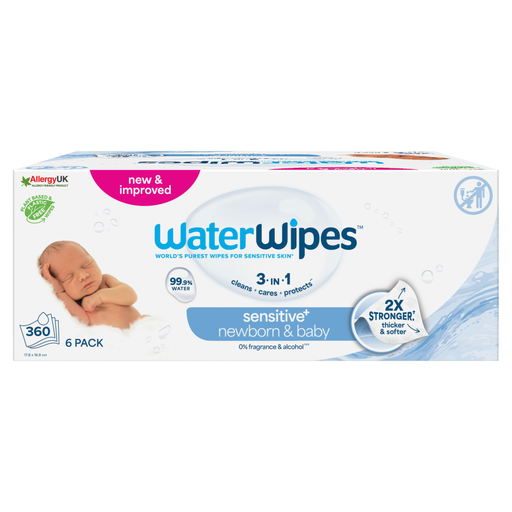
Why This Fits Their Persona: For parents of newborns, premature babies or children with eczema, purity is non-negotiable. These wipes are designed for the most delicate skin, providing peace of mind during every nappy change.
With just two ingredients—99.9% purified water and a drop of fruit extract—it completely sidesteps the fragrance and complex chemical traps. It is the definition of a minimal-ingredient wipe.
Approved by Allergy UK and the Skin Health Alliance, making it a trusted choice for sensitive, newborn and eczema-prone skin. The wipes are also plastic-free and plant-based.
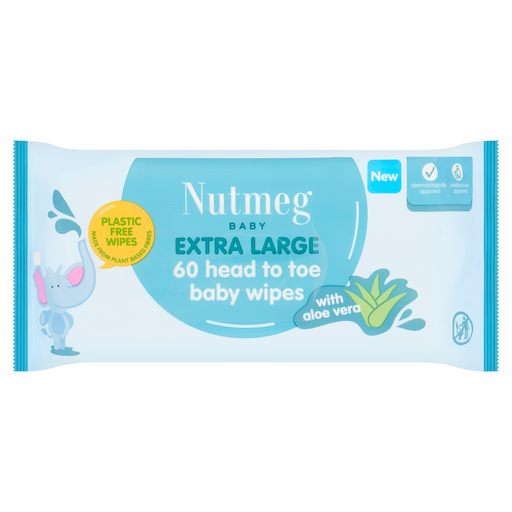
Why This Fits Their Persona: Ideal for parents of active toddlers who need a versatile, robust wipe for more than just nappies. This user values sustainability but also needs a product that can handle bigger messes effectively.
These wipes are explicitly 100% plastic-free and PEFC certified, directly addressing the hidden plastic pitfall. They are also fragrance-free, avoiding the scent trap while being suitable for sensitive skin.
The XL size offers great coverage for cleaning messy hands, faces and bodies. The combination of being plastic-free, cruelty-free and paediatrician-approved makes it a strong all-rounder.
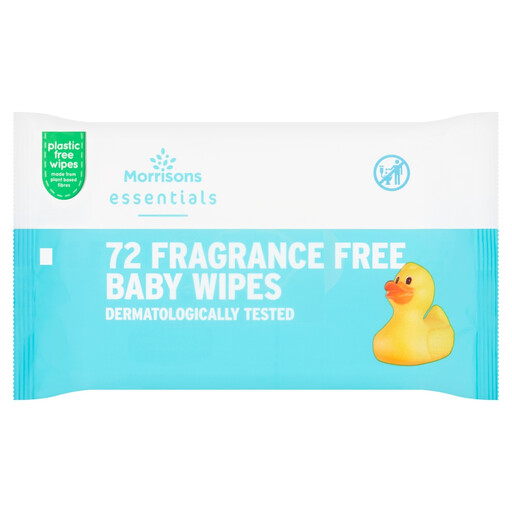
Why This Fits Their Persona: For families who get through a lot of wipes and need a reliable, cost-effective solution that doesn't compromise on the essentials of sensitive skin care.
This product proves that a safe choice doesn't have to be expensive. By being completely fragrance-free and dermatologically tested, it avoids the most common irritation trap at an accessible price point.
Offers excellent value while still being dermatologically tested and cruelty-free. The PEFC certification also confirms the fibres are from a sustainable source.
We have compiled a complete, real-time list of products that fully satisfy these strict selection criteria and UK safety regulations.
1. Are water-based baby wipes really better for newborns? Yes, for newborn skin, simpler is safer. A newborn's skin barrier is not yet fully mature, making it more susceptible to irritation and dryness. Water-based wipes with minimal ingredients reduce the number of potential irritants the skin is exposed to, making them an ideal choice for the first few months.
2. Can I flush baby wipes, even if the pack says 'flushable'? It is strongly advised not to flush any type of wipe down the toilet in the UK. Unlike toilet paper, wipe materials do not break down quickly enough and are a major cause of blockages in domestic pipes and public sewer systems, contributing to the infamous 'fatbergs'. Always dispose of used wipes in a household waste bin.
3. How can I tell if a baby wipe is truly plastic-free? Look for clear "100% plastic-free" or "plant-based fibres" statements on the packaging. Trustworthy brands will often back this up with certifications like PEFC (Programme for the Endorsement of Forest Certification), which verifies that the wood-based fibres originate from sustainably managed forests.