
24/7 Customer Support

Free returns

Same-day & Next-day Delivery

Quality Guaranteed

Unlock Your Welcome Offers: FREE Delivery | Up to 80% OFF | Free 30-day JoyPlus trial
Download the APP
Buying Baby Bio plant feed can seem straightforward until you compare bottle sizes, feeding methods and formulas for different plant types. A concentrated liquid plant fertiliser may suit a windowsill collection, while a ready-to-use solution or drip feeder could be more practical for occasional care.
The wrong choice can waste money or create avoidable plant-care problems. Before ordering, check the product’s intended plant type, dosage instructions and application method rather than relying only on broad claims about greener leaves or more flowers.
A general houseplant feed is designed for a broad range of indoor plants, but orchids, cacti, succulents, bonsai and citrus plants have different growing habits. A specialist orchid feed or cactus and succulent feed may be easier to match to your collection than applying a general product without checking its instructions.
For example, citrus feed listed on the product page has an NPK ratio of 6.6-4.7-8.6 and a high potassium content. Baby Bio Houseplant Feed 175ml lists NPK 10.6-1.9-1.4, making it a different nutritional option for general indoor use.
A 175ml bottle of concentrated plant fertiliser needs to be diluted before application. It can be economical, but only if you are comfortable measuring drops or capfuls accurately. By contrast, the 1-litre Pour & Feed product is supplied as a ready-made liquid solution, so it is designed to be poured directly onto the soil.
Check whether the product is a liquid plant food concentrate or a ready-to-use feed before purchasing. Using a concentrated formula undiluted can be unsuitable for plants and may lead to unnecessary waste.
Liquid feed requires you to remember when and how much to apply. Drip feeders reduce measuring by releasing feed gradually, with the houseplant version described as lasting up to four weeks per feeder. The orchid drip feeder pack is described as providing controlled release over 30 days.
This convenience may suit people who travel, beginners building a routine or anyone caring for several plants. However, you still need to follow the packaging instructions and check the soil and plant condition regularly.
Start with the plant rather than the bottle size. Look for wording such as:
Do not assume that a product labelled for all houseplants is automatically the right choice for every specialist plant.
NPK refers to the three main nutrients listed as nitrogen, phosphorus and potassium. In practical terms, the ratio helps you compare formulas, but it does not replace the manufacturer’s directions.
Baby Bio Orchid Plant Feed 175ml specifies an NPK ratio of 5.3-2.2-0.85. Its instructions state that users can add 5–10 drops to half a litre of water every time they water an orchid, or use half a capful in 1 litre of water. Baby Bio Herb Plant Feed 175ml is described as making up to 70 litres of solution and is intended for use once every two weeks.
Always read the current container label before use, as formulation and instructions can change.
Choose between:
Store plant feed in a dry, frost-free place, away from children, pets, food and direct sunlight where the label advises. Never mix different feeds together unless the instructions specifically permit it.
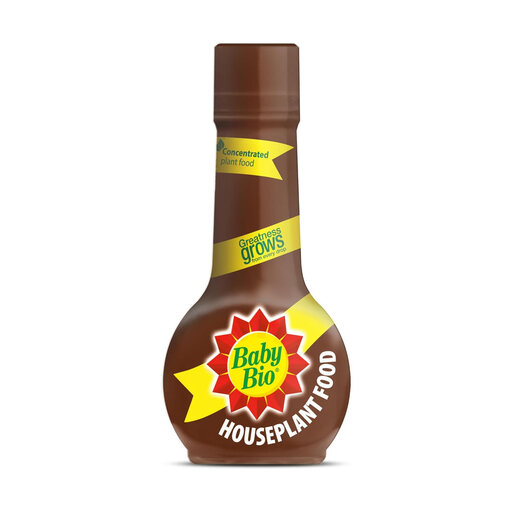
Why This Fits Their Persona: A practical starting point for UK residents caring for mixed indoor plants on windowsills, shelves or in a conservatory. The 175ml size avoids committing to a larger bottle while introducing a regular feeding routine.
It is clearly described as a liquid concentrate, with a stated 5–10-drop dosage for half a litre of water, helping buyers avoid confusing it with a direct-pour product.
175ml bottle; listed NPK 10.6-1.9-1.4; suitable for a broad range of houseplants when used as directed.
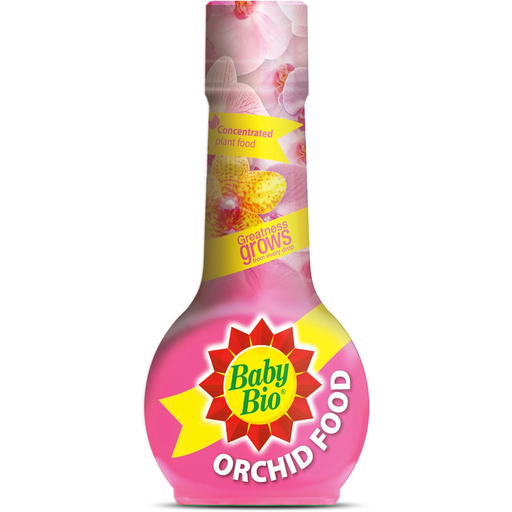
Why This Fits Their Persona: Suitable for orchid owners who want a named specialist formula and precise dilution instructions for regular indoor care.
The label identifies it specifically as orchid feed and provides both drop-based and capful-based dilution options, rather than leaving the application method unclear.
Specialist orchid formula; NPK 5.3-2.2-0.85; stated for year-round use.
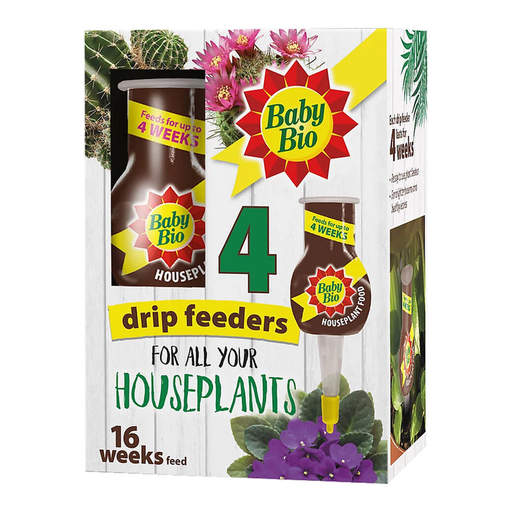
Why This Fits Their Persona: A convenient option for busy households, frequent travellers or people managing several indoor plants without wanting to dilute feed each time.
Each feeder is ready to use and designed to release nutrients for up to four weeks, removing routine measuring and reducing the risk of preparing the wrong concentration.
Four 40ml feeders; ready-to-use format; up to four weeks of feeding per feeder according to the product description.
For bonsai, herbs, citrus plants, cacti and succulents, a specialist format can make product selection more straightforward. The Baby Bio Bonsai Plant Feed 175ml is described as making up to 70 litres of solution, while the Baby Bio Herb Plant Feed 175ml is intended for indoor and garden herb cultivation. The Baby Bio Cactus Plant Feed 175ml is a concentrated liquid formula for cacti and succulents.
We have compiled a complete, real-time list of products that fully satisfy these strict selection criteria and UK safety regulations.
Frequency depends on the formula and plant. The product details supplied for herb feed state use once every two weeks, while citrus feed is listed for weekly summer feeding with reduced use in winter. Always follow the instructions on the bottle for the specific product.
A concentrate may produce many litres of diluted solution from a small bottle. For example, the bonsai and herb products are each described as making up to 70 litres. However, value depends on your number of plants, feeding schedule and ability to measure accurately.
Drip feeders are designed for convenient, gradual application, but suitability still depends on the plant, pot size, soil condition and label instructions. Check the product description before use, and remove or replace the feeder according to the stated duration rather than leaving it in place indefinitely.