
24/7 Customer Support

Free returns

Same-day & Next-day Delivery

Quality Guaranteed

Unlock Your Welcome Offers: FREE Delivery | Up to 80% OFF | Free 30-day JoyPlus trial
Download the APP
Ordering baby food and tinned groceries online can make weekly shopping easier, but product pages do not always tell the full story at a glance. A pouch may look suitable because it says “organic”, while the texture, allergens or storage instructions may not suit your child. Similarly, a multipack of tinned tomatoes can appear economical until you realise your household rarely uses the full quantity before the cans reach their best-before date.
This guide explains what to check before buying, from age suitability and ingredients to portion sizes and cupboard storage.
Labels such as 4+ months, 6+ months or 7+ months indicate the manufacturer’s stated suitability, but they do not replace individual feeding advice. UK government guidance generally recommends starting weaning at around six months, when a baby is developmentally ready. Check with a health professional if you are unsure when to begin.
Also look beyond the number. A smooth fruit purée may suit an early stage, whereas a chunky mash or rice-based baby weaning meal is designed for children progressing towards more texture.
Organic baby food pouches can still contain allergens such as milk, egg, cereals or sesame. “Organic” describes how ingredients are produced; it does not automatically mean gluten-free, dairy-free, vegetarian or suitable for an allergy.
Always read the current ingredient list and allergen statement on the pack. Product information can change, and online descriptions should be checked against the label received.
Single pouches and small jars are useful for travel, but they may cost more per 100g than multipacks. Conversely, large packs of tinned chopped tomatoes, rice pudding or pantry staples only offer value if you have enough storage and will use them.
Compare price per 100g, serving size and opening instructions rather than relying only on the headline pack price.
For baby food from 4 months, look for smooth, spoonable textures and simple recipes, such as fruit purée for babies made from apples, pears or other soft fruit. These products can be useful for introducing flavours, but feeding should still form part of a varied diet as your child develops.
For baby food from 6 months and above, check whether the consistency is smooth, mashed or textured. Ready-made baby meals for older babies may include soft rice, vegetables or finely processed meat. The stated age should match your child’s stage, but you should also consider their ability to sit upright, swallow and manage texture safely.
Scan the ingredient list in order of quantity. A product marketed as a vegetable meal may contain a substantial proportion of stock, rice or sauce, so the full list gives a clearer picture.
For dietary requirements, look for specific statements such as gluten-free, suitable for vegetarians or dairy-free, then verify the allergen declaration. For example, Heinz Egg Custard contains milk and egg, while Ella’s Kitchen Organic Veggie Risotto with Cheese contains milk through its cheddar cheese.
Tinned tomatoes are not interchangeable in every recipe:
Check whether the product contains only tomatoes and acidity regulator, or includes salt, herbs or other ingredients. Once opened, transfer unused contents to a suitable container, refrigerate and follow the pack’s consumption guidance.

Why This Fits Their Persona: A small 70g pouch is practical for families introducing first flavours without committing to a large multipack.
The ingredient list is short: organic apples and a dash of organic lemon juice concentrate, with no added sugar or salt.
Organic, gluten-free, dairy-free and nut-free according to the supplied product details; refrigerate after opening and use within 48 hours.
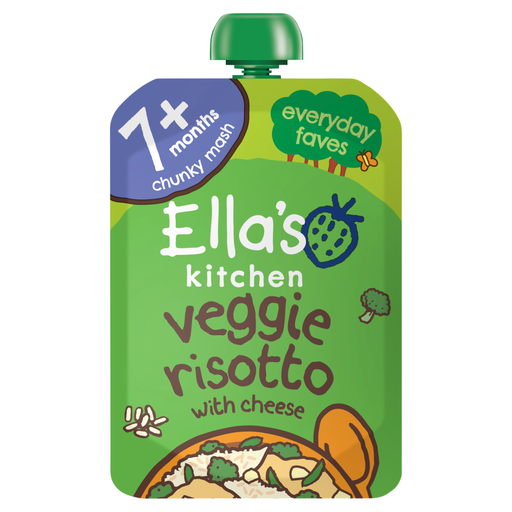
Why This Fits Their Persona: Suitable for families seeking an organic ready-made baby meal with a more developed texture for children aged seven months and above.
The product specifies a chunky mash texture and identifies milk in the ingredient list, making the composition easier to assess.
Made with 100% organic ingredients; listed as gluten-free and suitable for vegetarians, with no added sugar or salt.
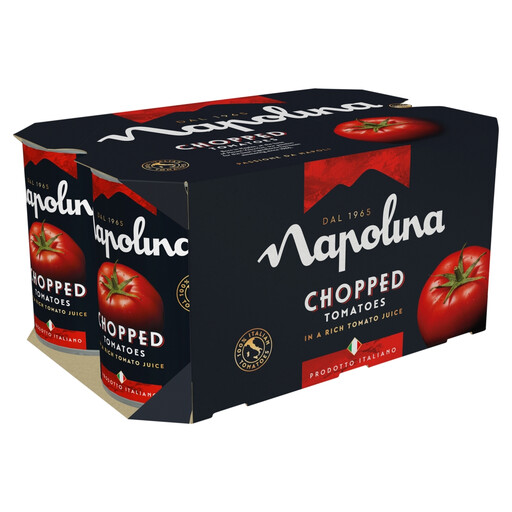
Why This Fits Their Persona: A six-can pack suits households cooking pasta sauces, soups, casseroles or batch meals regularly.
The multipack quantity is clear, helping frequent users compare total cost and avoid repeatedly buying single cans.
Contains 99.9% tomatoes and citric acid; each can is 400g and the tomatoes are listed as originating from Italy.
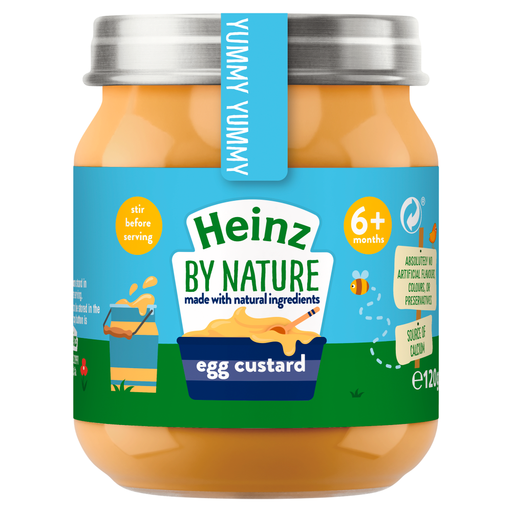
Why This Fits Their Persona: A portioned cupboard option for carers looking for a stated gluten-free recipe and a quick dessert or snack from six months.
The stated age, 120g quantity and gluten-free recipe are visible, while the allergen list still makes clear that it contains milk and egg.
Ready to serve warm or cold; unopened jars store in a cool, dry cupboard and opened, unheated food can be refrigerated for up to 24 hours.
We have compiled a complete, real-time list of products that fully satisfy these strict selection criteria and UK safety regulations.
Before placing your order, confirm:
No. A “4+ months” label is the manufacturer’s stated suitability, not a universal recommendation. UK guidance commonly advises beginning weaning at around six months, and readiness varies. Ask a health professional if you need personalised advice.
The answer depends on pack size, portion waste and how often you use them. Pouches can reduce preparation time and are useful when travelling, while homemade baby meals may offer more control over ingredients. Compare the cost per 100g and remember to follow opening and refrigeration guidance.
Many products advise transferring leftovers to a non-metallic container, refrigerating them and using them within two days. Always follow the specific instructions on the can or carton. For frequent cooking, unopened multipacks of tinned chopped tomatoes, plum tomatoes, passata and tomato purée can provide convenient family groceries without taking up freezer space.