
24/7 Customer Support

Free returns

Same-day & Next-day Delivery

Quality Guaranteed

Unlock Your Welcome Offers: FREE Delivery | Up to 80% OFF | Free 30-day JoyPlus trial
Download the APP
Choosing baby nursery décor and sleep aids involves more than matching colours. Wall stickers, cot mobiles, night lights and sound machines can shape the look and atmosphere of a nursery, but unsuitable materials, awkward controls or unclear safety information can quickly turn a thoughtful purchase into wasted money.
This guide focuses on practical checks for UK households, whether you are preparing a first nursery, buying a baby shower gift or updating a child’s bedroom.
Nursery wall stickers and removable wall decals are designed for decoration, not handling or chewing. Small pieces, peeling edges and loose components can become hazards if placed within a baby’s reach. Keep wall art well away from the cot, changing area and floor, and inspect it occasionally for lifting edges.
The same principle applies to decorative mobiles. A cot mobile should be securely attached and positioned out of reach. It should be removed when the baby can push up on their hands and knees or according to the manufacturer’s instructions.
A glow projection, lullaby or white noise track may create a pleasant bedtime setting, but babies respond differently to light and sound. Bright colours, moving images or loud audio can be distracting rather than soothing. Look for adjustable controls and use the lowest practical volume.
Product descriptions can also contain broad emotional or sleep-related language. Treat these as intended-use descriptions rather than guaranteed outcomes. A sleep aid supports a consistent routine; it does not replace safe sleep practices or parental supervision.
Some wall decals may adhere poorly to textured, damp, dusty or freshly painted surfaces. Before applying sunflower wall art or floral nursery décor, check that the wall is clean, dry and suitable for adhesive decoration. Test a small area first if the paint finish is delicate.
“Removable” does not necessarily mean damage-free on every surface. Remove decals slowly and follow the product instructions, particularly in rented homes where restoring the wall may matter.
Measure the available wall, cot width and bedside surface before ordering. A cot mobile needs a secure fit between the cot bars and enough clearance from the baby’s face. A portable baby night light should sit somewhere stable, with charging cables kept away from the cot.
For wall décor, map the design using paper templates before peeling the backing. This helps avoid placing a large sunflower arrangement behind furniture or creating a visually crowded space.
For electronic sleep products and children’s accessories, check the packaging and listing for the relevant age recommendation, instructions and warnings. Where applicable, electrical products sold in the UK should display appropriate conformity information, such as CE or UKCA marking, along with manufacturer or responsible-person details.
Do not assume a decorative sticker complies with toy requirements simply because it appears in a nursery. Products intended to be played with may fall under different requirements from wall decoration. For cot mobiles, inspect fabric, plastic joints and fasteners before use, and discontinue use if anything becomes loose, damaged or frayed.
For a baby white noise machine or sleep soother, compare:
A rechargeable unit can be useful for travel, but check charging instructions and keep the USB cable out of children’s reach. Avoid placing electronic devices directly inside the cot.

Why This Fits Their Persona: A simple peel-and-stick option for families refreshing a nursery on a controlled budget, without committing to wallpaper or permanent changes.
The removable format is more adaptable than permanent wallpaper, but it should still be applied to a clean, dry surface and kept away from the cot.
Peel-and-stick application; sunflower and butterfly artwork suited to bedroom or nursery decoration.
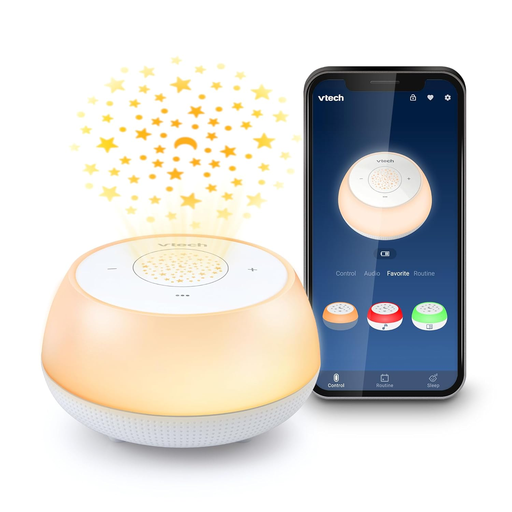
Why This Fits Their Persona: Suitable for parents who want several bedtime settings in one rechargeable unit, including use during visits or overnight stays away from home.
Light and audio can be customised rather than used at one fixed intensity. Keep the device at a safe distance from the cot and the volume moderate.
Includes 40 pre-loaded tracks; offers a ceiling projection, 250-colour night light and rechargeable design.
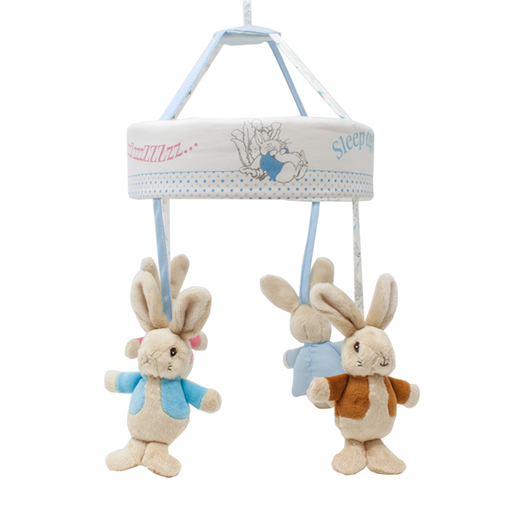
Why This Fits Their Persona: A cot-focused choice for families wanting traditional nursery styling and a wind-up musical feature during the early months.
It has a stated age range of 0–6 months and clear positioning instructions. Secure the adjustable arm, check for loose parts and remove it when the child can reach it.
Wind-up Brahms Lullaby music box; four soft character figures with gentle rotation.
For a child’s room where visual decoration is the priority, watercolour flower wall decals can create a softer backdrop than bold patterns. Apply them above furniture or on a feature wall rather than beside the cot.
Glow-in-the-dark butterfly stickers can add a night-time detail, but they should not be attached to the cot, ceiling directly above a baby’s face or any surface that may shed pieces. Always check the pack size, dimensions and application instructions before planning the layout.
When choosing among nursery sleep accessories, combine one decorative element with one practical aid rather than filling the room with competing lights, sounds and moving features. This makes it easier to identify what your child responds to and keeps the room easier to maintain.
We have compiled a complete, real-time list of products that fully satisfy these strict selection criteria and UK safety regulations.
Use them only as out-of-reach decoration. Keep decals away from the cot rails, mattress area and any place a baby can grasp or pull them. Apply them to a clean, dry wall and check periodically for peeling edges.
Their lifespan depends on adhesive quality, wall texture, humidity, temperature and how they are applied. A smooth, dry painted wall generally offers more reliable adhesion than textured or damp surfaces. Keep spare pieces and remove decals gradually to reduce the chance of paint damage.
Rechargeable night lights and sleep soothers typically use little power compared with larger household appliances, but running time varies by light brightness, sound setting and battery capacity. Check the charging information and switch the device off when it is not needed. For portable use, charge it before travel and keep cables away from children.