
24/7 Customer Support

Free returns

Same-day & Next-day Delivery

Quality Guaranteed

Unlock Your Welcome Offers: FREE Delivery | Up to 80% OFF | Free 30-day JoyPlus trial
Download the APP
For new parents, baby swaddles can appear simple: choose a soft blanket, wrap your baby and settle them down. In practice, the wrong size, fabric or fastening can make a swaddle uncomfortable, difficult to use or unsuitable once your baby becomes more mobile.
Marketing language can also obscure important details. “Ultra-soft” does not tell you whether the fabric is breathable, while a high TOG rating may be unsuitable for a warm bedroom. A generously sized blanket may be versatile, but it needs careful wrapping and should never become loose bedding in a cot.
This guide explains the practical details to check before buying baby swaddle blankets, muslin swaddles, adjustable wraps or a wearable baby swaddle.
Cotton muslin and bamboo muslin swaddles often feel light and soft, but texture alone is not a safety feature. Look for an open or lightweight weave, natural fibres and clear care instructions. A thicker fabric can feel cosy but may retain more warmth, particularly when layered with clothing or used in a heated room.
A newborn swaddle is not automatically suitable for older babies. Traditional blankets require wrapping and supervision, while an adjustable swaddle wrap or swaddle sleeping bag may offer a more consistent fit. Once your baby shows signs of rolling, stop arms-in swaddling and move to an appropriate wearable blanket or baby sleep sack.
Age labels are useful starting points, but babies grow at different rates. Always check the manufacturer’s weight, chest and length guidance where provided.
A 1.0 TOG swaddle or 1.5 TOG swaddle describes the thermal rating of the product; it does not prescribe exactly what your baby should wear underneath. Room temperature, clothing, fabric and your baby’s individual needs all matter.
Follow the product’s layering chart and check your baby’s chest or back rather than relying on hands and feet, which can naturally feel cooler. Remove layers if your baby feels hot or sweaty, and avoid hats indoors during sleep unless specifically advised by a healthcare professional.
For everyday use, 100% cotton muslin is a practical choice because it is lightweight, washable and suitable for uses beyond swaddling. Many cotton muslin swaddles measure around 112cm x 112cm or 120cm x 120cm, giving enough fabric for wrapping, feeding cover use, nappy changes and tummy-time surfaces.
Bamboo muslin swaddles are commonly made from viscose derived from bamboo. They can offer a smooth hand feel and moisture-wicking properties, but care labels still matter: follow the washing and drying instructions to help preserve the fabric.
A pre-washed finish may make a blanket feel softer from the first use. Packs with two or four pieces can also be more practical for frequent spills, nappy changes and laundry days.
A safe wrap should be snug around the chest but not tight, with enough room for comfortable breathing. The hips and legs should be able to move naturally rather than being held straight together. Look for a roomy lower section or a design that specifically allows leg movement.
Adjustable hook-and-loop fasteners can make wrapping more consistent than folding a loose blanket, particularly during night-time changes. However, check that the fasteners are fully secured and that the neck and arm openings fit closely without pressing against the throat.
Blanket-style swaddles are versatile, but they need careful supervision and should not be left loose in the cot. A wearable baby swaddle or sleep sack keeps the covering attached to the garment, reducing the need for loose bedding. Features such as an inverted or bottom-opening zip can make nappy changes easier.
Choose a product that clearly states its intended age or size. Some designs allow arms-in, hands-to-face or arms-out configurations, which can help with gradual transition. Stop swaddling when your baby shows signs of rolling or can roll unassisted, even if the age printed on the packaging has not been reached.
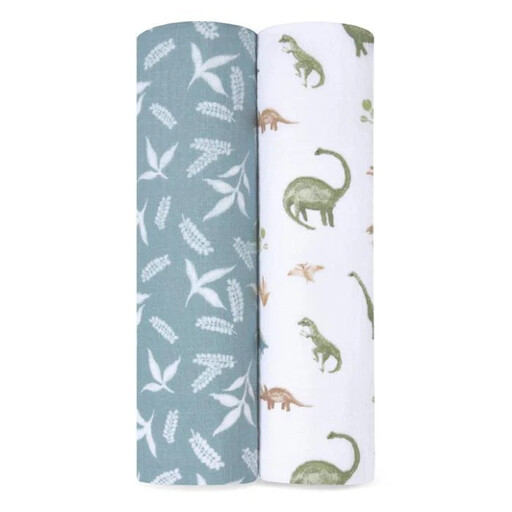
Why This Fits Their Persona: A straightforward starter pack for newborn routines, nappy changes, feeding and travel around the UK.
The breathable cotton muslin construction avoids relying on thickness for warmth and the two-pack gives you a spare during laundry.
Cotton muslin; lightweight, portable and machine washable for everyday use.

Why This Fits Their Persona: Suitable for parents prioritising a softer, more substantial blanket for use at home and in the pram.
The product specification states that it is 25% thicker than standard muslin while retaining an open-weave design, so buyers can compare construction rather than relying on “luxury” wording.
100% cotton muslin; 120cm x 120cm size; pre-washed and designed for absorbency.
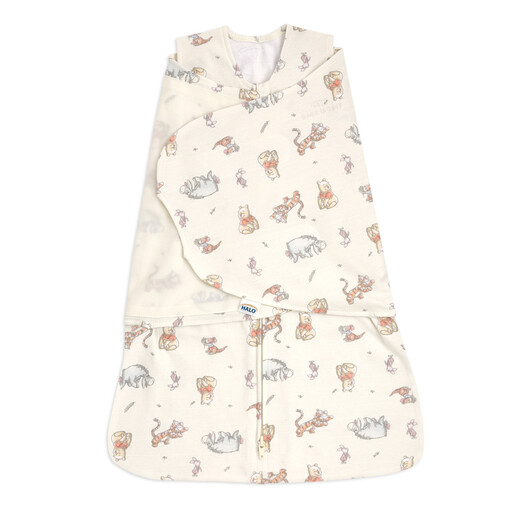
Why This Fits Their Persona: A wearable option for parents who want a defined fit and easier nappy access during overnight changes.
The three-way adjustable design allows arms-in, hands-to-face or arms-out use, while the inverted zip avoids repeatedly unwrapping the torso.
100% cotton; 1.5 TOG rating; roomy sack shape and adjustable fasteners.

Why This Fits Their Persona: Designed for older babies moving away from swaddling, including families managing warmer bedrooms.
The sleeveless wearable design avoids adding loose blankets, and the 0.5 TOG rating makes it easier to plan lighter sleepwear in warmer conditions.
Suitable for 6–18 months; 100% cotton; inverted zip and roomy lower design.
We have compiled a complete, real-time list of products that fully satisfy these strict selection criteria and UK safety regulations.
Two to four baby swaddles is a practical starting point. Two can work if you wash frequently, while a four-pack provides more flexibility for night-time changes, spills and days when laundry is delayed. If you use a wearable swaddle for sleep, muslin blankets can still be useful for feeding, nappy changes and supervised daytime use.
Use the product only within its stated size range and stop traditional swaddling when your baby shows signs of rolling or can roll unassisted. Some transition sleeping bags are designed for later stages, but they are not the same as an arms-in newborn swaddle. Check the individual product instructions before changing styles.
Either rating may be suitable depending on the room temperature and the clothing worn underneath. A 1.5 TOG product is warmer than a 1.0 TOG product, while a 0.5 TOG sleeping bag is a lighter option. Use the manufacturer’s guidance, check your baby regularly and avoid adding loose blankets to compensate.