
24/7 Customer Support

Free returns

Same-day & Next-day Delivery

Quality Guaranteed

Unlock Your Welcome Offers: FREE Delivery | Up to 80% OFF | Free 30-day JoyPlus trial
Download the APP
Choosing baby training cups can feel simple until you compare sippy cups, open rims, valves, handles and straws. A cup that works well at home may leak in a changing bag, while a design described as “spill-proof” may still be difficult to clean.
For UK parents and carers, the practical choice depends on your child’s age, drinking ability, preferred drinking style and where the cup will be used. The following guide highlights common buying traps and the specifications worth checking before ordering.
Terms such as spill-proof, leak-resistant and non-spill cups for toddlers can describe different levels of performance. A pressure valve may reduce leaks while a child is sipping, but liquid can still escape if the cup is shaken, dropped or assembled incorrectly.
For travel, check whether the cup has a secure lid, flip-top cover or locking mechanism. Always follow the manufacturer’s instructions when fitting valves and seals.
A straw cup may suit a confident toddler but frustrate a younger baby who is still learning to tip and sip. Equally, a complex valve can create extra cleaning work and may not be suitable for a child beginning weaning.
Age labels are a starting point rather than a complete buying decision. Consider whether your child can hold handles, create suction, tilt a cup or drink from an open rim. Some listings can also contain different age references in the product title and description, so check the detailed guidance and packaging before use.
A cup can appear easy to clean but contain narrow straw channels, removable valves or silicone seals that trap milk and juice residue. Any cup used regularly should be fully disassembled after use where the instructions require it.
Look for dishwasher-safe components, accessible valves and replacement spouts or straws where available. Inspect soft parts frequently, particularly if your child is teething. Discard the cup or component at the first sign of cracking, tearing or weakness.
Do not assume that one style needs to replace another immediately. Many families use a more controlled cup outside and practise open cup training at mealtimes.
Look for clearly stated materials such as polypropylene, silicone or Tritan and check whether the product is described as BPA-free. Some products also specify that they are free from BPS, PVC, phthalates, latex or nitrosamines.
These statements describe material composition; they do not remove the need for supervision or correct use. Check the manufacturer’s warnings, age suitability and care instructions. Avoid hot liquids unless the product specifically permits them, and always check the drink temperature before serving.
Products intended for children’s drinking should include appropriate instructions and safety information. Some products reference EN 14350, a standard relating to drinking equipment for children; however, the individual product guidance remains important.
A 190–210ml cup may be manageable for a younger child, while 266–360ml options can reduce refills for nursery, park visits or longer journeys. Larger capacity also adds weight when full, so match the size to your child’s grip and routine.
For toddler cups for travel, prioritise:
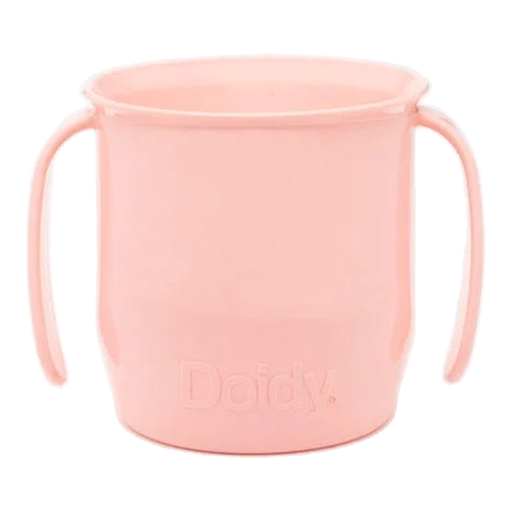
Why This Fits Their Persona: A straightforward option for introducing an open rim from 3 months, with two handles for small hands and a slanted shape that lets the child see the liquid.
It does not rely on a hidden valve or narrow straw, so there are fewer internal parts to clean. Expect some spillage while open cup skills develop.
Food-safe polypropylene, BPA-, phthalate- and PVC-free materials, plus dishwasher-safe care.
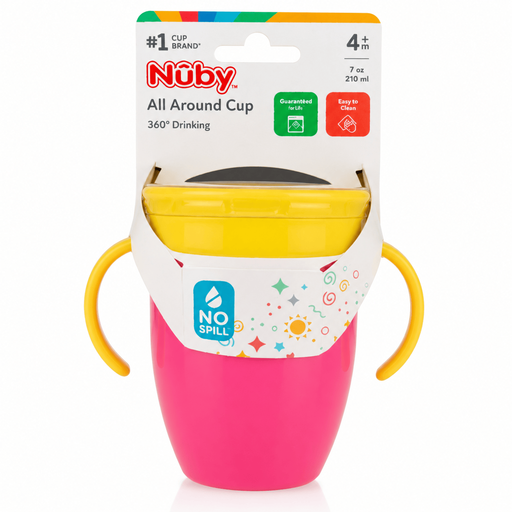
Why This Fits Their Persona: Suitable for families wanting a 360° drinking edge and a covered rim for use in a changing bag or nursery routine.
The pressure-sensitive silicone seal is designed to close when the child stops sipping. Correct assembly and thorough valve cleaning remain necessary.
BPA-free polypropylene, food-grade silicone and Tritan body; top-rack dishwasher safe with minimal parts.
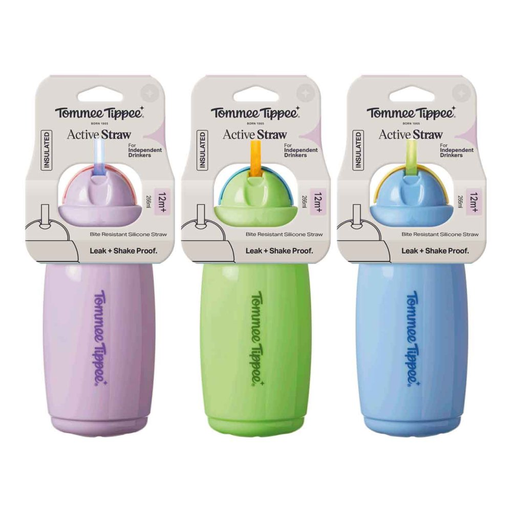
Why This Fits Their Persona: Designed for active toddlers aged 12 months and over who need a handled cup for nursery, walks and outdoor play.
Its stated leak- and shake-resistant valve design is intended to reduce bag spills. The straw and valve still need careful cleaning after every use.
266ml insulated design, easy-grip format and materials listed as BPA-, BPS-, PVC- and phthalate-free.
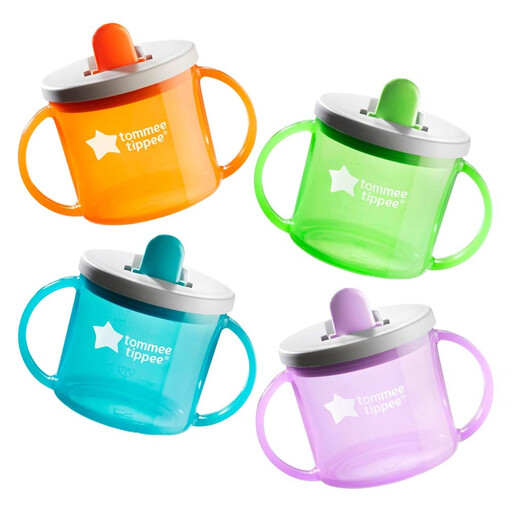
Why This Fits Their Persona: A compact starter cup for babies aged 4 months and over, particularly where handles and a free-flow spout are preferred.
The two-part construction reduces the number of pieces compared with multi-valve designs, while the flip-down spout helps protect it between uses.
190ml capacity, easy-grip handles and dishwasher- and steriliser-compatible care instructions.
We have compiled a complete, real-time list of products that fully satisfy these strict selection criteria and UK safety regulations.
Start with a small amount of water or the drink recommended for your child’s stage. Demonstrate slow sips and allow your child to hold the cup when ready. Always supervise drinking and do not let a child walk or run with a cup.
Wash the cup after each use, paying close attention to silicone valves, straw channels and seals. Allow every part to dry fully before reassembly. Avoid hot, carbonated or pulpy drinks where the product instructions prohibit them. Prolonged sipping of sugary or acidic drinks can contribute to tooth decay, so follow NHS guidance on suitable drinks and routines.
Product age guidance varies. Some cups for babies aged 3 months and up are open-rim designs, while free-flow sippy cups may start at 4 or 6 months. Introduce a cup when your child is developmentally ready and follow the product’s specific instructions.
They serve different purposes. A 360° cup allows drinking around the rim and can support a gradual move towards open cup drinking. A sippy cup with handles may offer more control for a younger or less confident child. Choose according to ability, supervision and tolerance for spills.
There is no universal replacement period. Inspect the cup before every use and replace it when the body, spout, straw, valve or seal shows damage, weakness, persistent odour or discolouration that does not wash away. Regular cleaning and dry storage can help maintain the cup, but worn soft parts should not be kept in service.