
24/7 Customer Support

Free returns

Same-day & Next-day Delivery

Quality Guaranteed

Unlock Your Welcome Offers: FREE Delivery | Up to 80% OFF | Free 30-day JoyPlus trial
Download the APP
A back support cushion can make a chair, sofa, car seat or bed more comfortable, but choosing the wrong design may create new problems. A cushion that is too thick can push your lower back forwards, while one that is too soft may flatten quickly and provide little support.
Marketing descriptions can also make everyday comfort sound more technical than it is. Before buying, focus on the construction, dimensions, care requirements and intended use rather than broad claims about posture or pain relief.
A lumbar support cushion needs to fill the natural gap between your lower back and the seat without forcing your spine into an unnatural position. A thick cushion may suit a deep office chair but feel uncomfortable in a compact car seat.
Check the cushion’s depth and your available seat space. For driving, a slimmer car seat lumbar cushion is often more practical than a large wedge design intended for a bed or sofa.
Very soft filling can feel comfortable initially but may compress during prolonged sitting. High-density foam, memory foam or firm polyester filling generally offers more structure, although the right choice depends on your preferred feel and the shape of your chair.
A memory foam backrest can mould around the body, while a wedge cushion with high-density polyester filling may provide broader, more upright support for reading or relaxing.
A back cushion that slides down every few minutes can become more irritating than helpful. Look for anti-shift backing, attachment straps or hook-and-loop fasteners where appropriate.
Daily-use cushions also collect dust and skin oils. A washable back cushion with a removable cover is easier to maintain. Always check whether only the cover is washable or whether the complete product can be cleaned.
For sitting at a desk or driving, select a cushion shaped to support the lower back rather than the entire upper body. A contoured lumbar support cushion should sit around the belt-line area and remain stable when you change position.
For beds and sofas, a larger wedge cushion for bed or reading cushion for bed can support the back, shoulders and upper body. Measure the width of your seating area before ordering, especially for oversized designs intended for two people.
Check both the filling and outer fabric. Memory foam can provide a shaped feel and is useful where space is limited. Polyester filling may create a fuller, softer backrest for lounging.
Breathable fabrics can be more comfortable during long sitting sessions. If you are considering a back cushion for sofa, look for a removable cover and clear washing instructions. Avoid assuming that a fabric labelled “breathable” will stay cool in every room or season.
A heated lumbar support can add warmth while sitting, but it requires more checks than a standard cushion. Look for:
For products used in the UK, check the packaging and documentation for the appropriate electrical safety information, plug arrangement and conformity marking where applicable. Do not use a heated cushion while sleeping or if you have reduced sensitivity to heat. Follow the supplied instructions and stop using it if the heat becomes uncomfortable.
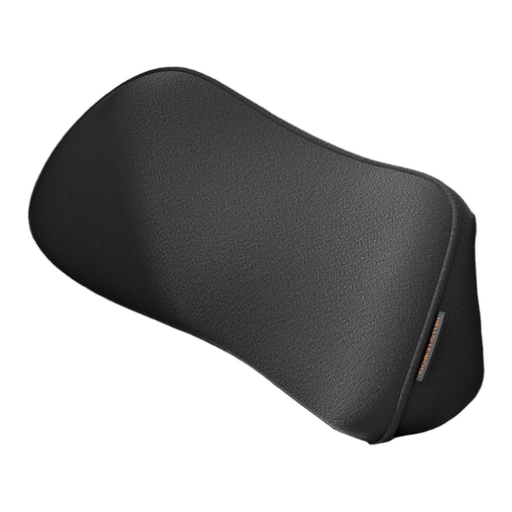
Why This Fits Their Persona: A compact option for UK drivers who want a straightforward back support cushion without taking up much seat space. It is designed for use on most car, truck and SUV seats.
Its thin profile, golden triangle structure and anti-shift design address the common problems of excessive bulk and movement during driving.
Bamboo charcoal memory foam filling, breathable microfibre suede and tool-free placement.
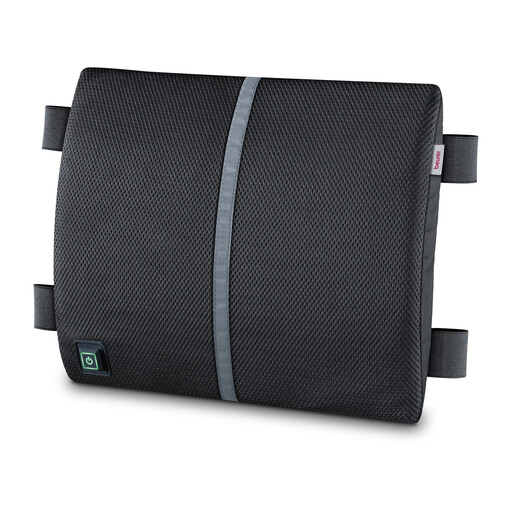
Why This Fits Their Persona: Suitable for people who want both seated lumbar support and adjustable warmth at home, in an office or in a car.
Three heat settings, automatic shut-off after approximately 90 minutes and overheat protection provide clearer controls than cushions with unspecified heat functions.
Machine-washable cover at 30°C, one-button operation and mains and car adapters included.
Place a standard lumbar cushion so its thickest section supports the curve of your lower back. Sit fully back in the chair and adjust the height before making a final judgement. Your feet should remain comfortably supported, and the cushion should not push your shoulders forwards.
For a sofa or bed wedge, position the lower edge securely against the mattress, wall or seat back. Large cushions should sit on a stable, level surface. In a car, adjust the cushion while parked, then check that it does not interfere with seat belts, pedals or driving controls.
If discomfort continues or you have an existing medical condition, seek suitable advice from a qualified healthcare professional rather than relying on a cushion alone.
We have compiled a complete, real-time list of products that fully satisfy these strict selection criteria and UK safety regulations.
Lifespan depends on filling, usage and care. A cushion used daily may soften or lose shape sooner than one used occasionally. Replace it when the cover, foam or filling no longer holds its shape, or when it slides and cannot be positioned securely.
Yes, provided it fits the seat without obstructing the seat belt, controls or driver position. A slim car seat lumbar cushion with anti-shift features is generally more suitable than a large bed wedge. Always adjust it while the vehicle is stationary.
Running cost depends on the product’s wattage and your electricity tariff. The Beurer HK70 is listed at 20 W, so its consumption is relatively low compared with many household heating appliances. Automatic shut-off can also limit operating time, but follow the instructions and do not leave the product running unattended.