
24/7 Customer Support

Free returns

Same-day & Next-day Delivery

Quality Guaranteed

Unlock Your Welcome Offers: FREE Delivery | Up to 80% OFF | Free 30-day JoyPlus trial
Download the APP
A camera can be a useful addition to a student’s kit, whether it is used for documenting a new term, creating YouTube videos, recording travel memories or taking instant photographs with friends. However, choosing among a vlogging camera, action camera, instant camera and 4K camera is not simply a matter of selecting the highest resolution.
The wrong choice can lead to poor audio, short battery life, fragile hardware or expensive running costs. This guide explains the practical specifications to check, common buying traps and our top recommendations for different types of UK users.
A camera may advertise 4K video, but footage can still look uncomfortable to watch if it is recorded while walking, cycling or travelling. Electronic image stabilisation can help, while a 3-axis mechanical gimbal physically counteracts movement and is particularly useful for handheld vlogging.
For outdoor activities, check whether stabilisation affects the available resolution or field of view. A very wide lens may capture more of a scene but can introduce visible distortion around the edges.
Built-in microphones can be suitable for casual clips, but wind, traffic and crowded school or travel locations can make speech difficult to hear. A camera for YouTube or interviews may need microphone compatibility, a wireless receiver or a bundle that includes transmitters.
Before purchasing, check whether the microphone connects directly to the camera, whether a separate receiver is required and whether the connection is compatible with your phone or editing setup.
“Waterproof” does not mean every camera can be submerged without preparation. Some models require a waterproof case, while others have sealed ports and a stated depth rating. Always close covers correctly and rinse equipment with fresh water after exposure to saltwater.
Battery figures also depend on resolution, frame rate, temperature, screen use and stabilisation. A camera bundle with extra batteries may be more practical than buying a small camera with a long theoretical recording time but limited real-world flexibility.
Sensor size affects how much light the camera can capture and can influence image quality in dim rooms, evening streets and overcast outdoor conditions. The 1-inch CMOS sensor found in selected compact gimbal cameras is physically larger than many sensors used in smaller action cameras.
For school events, indoor filming or travel photography, also check whether the camera offers manual exposure controls, a suitable aperture and a screen that makes framing easy. A larger sensor is useful, but it does not remove the need for adequate lighting.
For talking-to-camera clips, a pocket gimbal camera with 3-axis stabilisation can provide smooth footage while moving. For cycling, hiking or water sports, an action camera with electronic stabilisation, a wide field of view and a rugged body may be a better fit.
A frame rate such as 4K/120fps or 4K/240fps is generally associated with slow-motion recording modes, rather than ordinary playback at that speed. Check the product instructions to understand which modes support high frame rates and whether recording time or image quality changes.
High-resolution video uses considerable storage. Look for built-in storage, microSD compatibility or a bundle that includes a suitable memory card. It is also worth checking whether the package contains a protective case, charging case, extra batteries, handle, tripod connection or microphone system.
For students carrying equipment between home, college and trips, size and protection matter. A compact camera that is easy to charge and store may be used more often than a larger model with features that rarely leave the box.
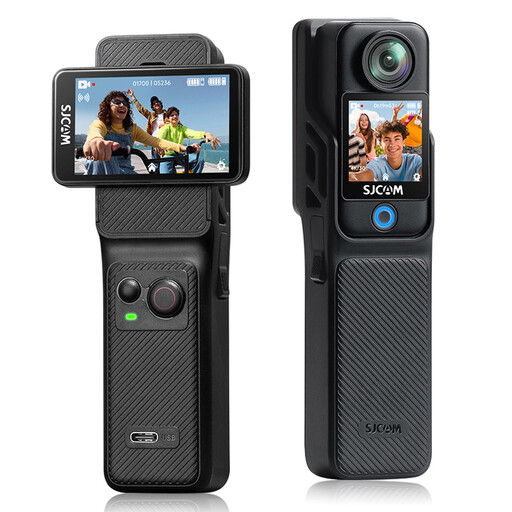
Why This Fits Their Persona: A practical starting point for students who want 4K recording, dual screens and outdoor versatility without building a large kit.
It combines 4K/30fps recording with 6-axis electronic stabilisation and includes a 64GB memory card, helping reduce immediate accessory costs.
Dual touchscreens, 154° wide-angle lens, microSD support up to 512GB and waterproof use up to 30 metres with the case.
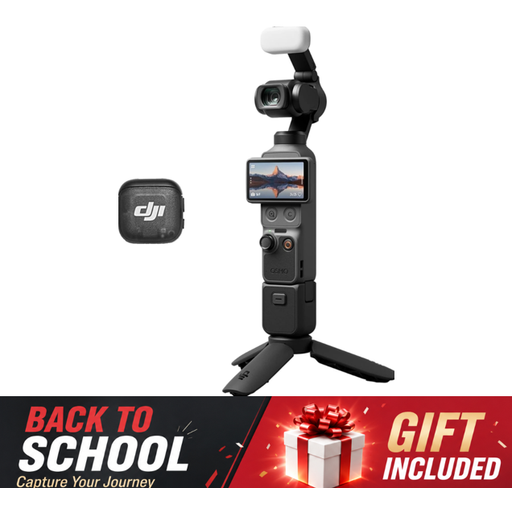
Why This Fits Their Persona: Suits beginner vloggers and creators who prioritise compact design, stabilised footage and a broader set of included filming accessories.
Its gimbal design addresses handheld shake, while the protective case helps guard the moving head during transport. It is not a waterproof camera.
1-inch CMOS sensor, 4K/240fps slow-motion capability, 3-axis stabilisation, 2x lossless zoom and stated 107GB built-in storage.
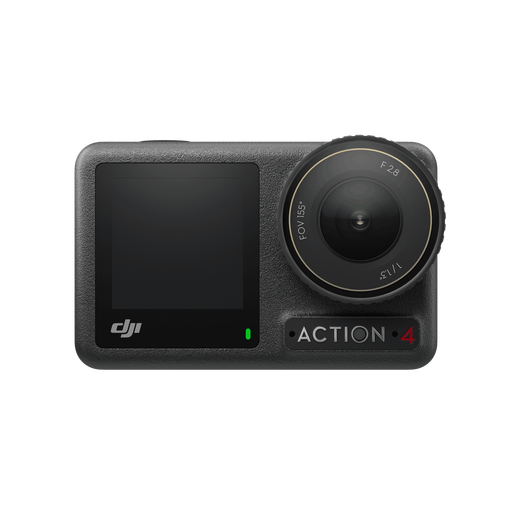
Why This Fits Their Persona: A suitable direction for outdoor adventurers, sports users and families filming cycling, hiking, swimming or beach activities.
The Adventure Combo includes three extra batteries and a charging case, reducing dependence on a single battery during longer outings.
4K/120fps recording, 155° field of view, 1/1.3-inch sensor and waterproof operation to 18 metres without a case, according to the product information.

Why This Fits Their Persona: Ideal for users who prefer physical photographs for lockers, scrapbooks, parties and shared school memories rather than digital editing.
It makes the film requirement clear: the Everything Box includes one eight-shot i-Type colour film pack, while compatible film remains an ongoing cost.
Rechargeable USB-C battery, self-timer, double-exposure mode, built-in tripod mount and compatibility with i-Type and 600 film.
A DJI Osmo Pocket 3 offers a 1-inch CMOS sensor, 4K/120fps video, a rotating 2-inch touchscreen, ActiveTrack 6.0 and direct connection to selected wireless microphone transmitters. It may suit first-time vloggers who want a more established compact workflow.
For creators recording interviews, the DJI Osmo Pocket 4 Capture & Sound Bundle combines a pocket gimbal camera with two microphone transmitters, a receiver and charging case. This can be more convenient than sourcing camera accessories separately.
A 360 camera, such as the Insta360 X6 All-in-One Bundle, records in multiple directions and can provide reframing options after shooting. It is useful for travel and action footage, but editing and file management may require more time.
Before ordering, compare the full package rather than the camera body alone. Check memory cards, batteries, microphone compatibility, cases, mounts and replacement consumables such as instant film.
We have compiled a complete, real-time list of products that fully satisfy these strict selection criteria and UK safety regulations.
A compact vlogging camera with automatic focus and stabilisation is generally straightforward for handheld video. An instant camera is simpler for physical prints, while an action camera is more suitable for outdoor activities and mounting.
Digital cameras mainly require charging, storage and occasional accessories. Instant cameras have continuing film costs for every photograph. Action cameras may also require additional batteries, waterproof cases, mounts or charging cases for longer trips.
Prioritise a protective case, suitable memory card, spare battery or charging case and a small tripod or handle. If recording speech, consider a compatible wireless microphone. Keep batteries dry, avoid charging damaged equipment and follow the manufacturer’s instructions for waterproof covers and storage.