
24/7 Customer Support

Free returns

Same-day & Next-day Delivery

Quality Guaranteed

Unlock Your Welcome Offers: FREE Delivery | Up to 80% OFF | Free 30-day JoyPlus trial
Download the APP
Preparing for a new school term often means buying snacks, lunchbox fillers, quick meals and store-cupboard staples at the same time. The challenge is finding food that suits different tastes, dietary needs, storage space and budgets without ending up with products that are unsuitable for school or difficult to use.
This guide explains the details worth checking before buying back-to-school snacks and food essentials, with practical suggestions ranging from Asian snacks and Korean rice cakes to baked beans, coffee beans and convenient lunchbox snacks.
A multipack can reduce the cost per serving, but only if your household will use it before the recommended date and has enough storage space. Frozen products also require available freezer capacity, while tins and jars need a cool, dry cupboard.
Before buying in bulk, check:
Asian snacks, tofu products, Korean rice cakes and ready meals may contain soya, wheat, milk, eggs, fish, sesame or nuts. “Plant-based” does not automatically mean allergen-free, and vegetarian products may still contain milk or egg.
Always read the ingredient list and allergen declaration on the current packaging, especially when buying food for children, school trips or shared lunchboxes.
Some products can be eaten straight from the pack, while others require heating, thawing or refrigeration. A frozen sweet rice cake may work well as an at-home breakfast but not as a packed school snack unless it can be safely kept cold. Similarly, opened tins should generally be transferred to a suitable container and refrigerated rather than stored in the can.
Individually wrapped products can make portion planning easier and reduce handling in a school bag. The Jin Zai roasted tofu snack, for example, contains five individual packs within a 108g pack, making it more practical for separate snack occasions than a single loose packet.
For family meals, compare total servings rather than just the front-of-pack weight. A 4 x 410g baked beans multipack may be more suitable for a busy household than several smaller cans, while a 200g beans-and-sausages tin may suit a single quick meal.
Shelf-stable tins and jars are useful bulk store-cupboard essentials because they can be stored unopened in a cool, dry place. Once opened, follow the stated refrigeration and use-within period.
Frozen products need more planning. EastEco Hotteok with Red Bean 400g must be kept frozen below -18°C and should not be refrozen once defrosted. Kibun Uogashi Age fried fish cake with tofu is also a frozen product and requires cooking before serving.
Use the nutrition panel to compare products on a consistent basis, usually per 100g. Look at salt, sugar, saturates, fibre and protein, while also considering the intended serving size.
For example, Branston Reduced Sugar & Salt Baked Beans lists 30% less sugar and 30% less salt than standard Branston Baked Beans, according to the supplied product information. This is a product comparison rather than a health endorsement, so the full label should still be checked when planning meals.

Why This Fits Their Persona: A four-can format gives busy households a cupboard staple for toast, jacket potatoes, breakfasts and quick family meals.
The four 415g cans make the total quantity clear, helping shoppers compare pack value instead of judging by the front label alone.
Vegetarian-friendly product information; 1,660g total net quantity; suitable for heating or serving cold.
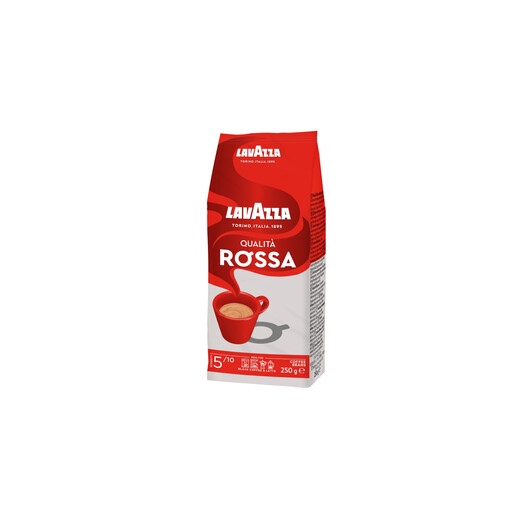
Why This Fits Their Persona: Suitable for households that want coffee beans for weekday mornings, study sessions or after-school drinks using different brewing methods.
The 250g pack provides a defined quantity, while the listed medium roast intensity and Arabica-Robusta blend offer clearer buying information than vague flavour language.
Works with espresso, moka pot, French press and filter brewing; roasted Arabica and Robusta beans.

Why This Fits Their Persona: The multipack suits larger households, shared accommodation and anyone building a reliable cupboard supply for quick meals.
The total quantity is stated as four 410g cans, making it easier to plan cupboard space and compare the cost per can.
Vegetarian and gluten-free product information; 1,640g total quantity; suitable for toast, potatoes or side dishes.

Why This Fits Their Persona: A practical choice for adults or older pupils seeking convenient, individually packed Asian snacks with a firm texture.
Five individual packs help prevent the whole packet being opened at once, but the listed soya and possible wheat allergens still need checking.
Ready to eat; five separate packs; 108g net weight; storage in a cool, dry place.
We have compiled a complete, real-time list of products that fully satisfy these strict selection criteria and UK safety regulations.
For sweet treats at home, Yuheng Panda Bamboo Mung Bean Cake 4x40g offers four individually sized pieces. Chilkab Sweet Red Bean Rice Cake 500g and EastEco Hotteok with Red Bean 400g provide Korean-style options, but their storage and preparation requirements differ. Hotteok must remain frozen, while ingredient lists should be checked for wheat, soya and possible cross-contamination.
For fast dinners, Heinz Beanz & Sausages 200g, Branston Baked Beans & Sausages 405g and Heinz Beanz & Vegan Sausages 415g offer different formats. The vegan option contains wheat, so it is not automatically suitable for people avoiding gluten. For a vegetarian cupboard, Branston Reduced Sugar & Salt Baked Beans and Bold Bean Rich Tomato Baked Beans provide alternatives with different pack sizes, ingredients and storage instructions.
Individually packed snacks can be easier to portion and carry, provided the school permits them and the product does not require refrigeration. Check allergens, packaging size, salt content and whether the food is suitable for the child’s age. Some schools also have restrictions on nuts, wrappers or sugary foods.
Follow the instructions on the specific product. Several products listed here advise transferring unused beans to a covered container, refrigerating them and consuming them within two days. Do not rely only on the unopened best-before date once a can has been opened.
It depends on the product. Frozen Korean rice cakes and hotteok require temperature-controlled storage and may need heating or pan-frying. They are generally more suitable for a supervised meal or snack at home unless you can maintain the required storage conditions safely.