For silent backing-track and lyric study in a quiet library area, over-ear noise-cancelling headphones suit the task if you do not sing aloud and follow the venue’s rules. For audible rehearsal, move to a space where singing is permitted; if you also need to hear your live microphone feed, use wired closed-back headphones with a compatible interface offering direct monitoring. The University of Reading and Warwick Library distinguish quiet or silent study areas from spaces with different noise expectations, while Focusrite describes direct monitoring on supported interfaces.
Who each setup suits
Silent harmony learners
If you are learning lyrics, entries and harmony parts in a quiet-study area, listen privately and rehearse mentally rather than singing aloud. Noise cancellation and control over what you hear around you matter more here than recording features.
Timing-focused vocal rehearsers
If you need to sing and hear a microphone feed, practise in a location that permits it. Wired closed-back headphones become relevant alongside a compatible direct-monitoring interface; Focusrite describes this signal path for its supported systems.
Portable long-session practisers
If you review backing tracks between classes, rehearsals or journeys, consider battery life, charging and how the headphones feel during longer listening sessions. These priorities do not replace a live vocal-monitoring setup.
What matters when choosing
The dividing line is whether you are listening silently or singing aloud: headphones can change what you hear, but they cannot make your voice inaudible to other library users.
Wireless noise-cancelling headphones
Choose for: Private backing-track playback and mental rehearsal where quiet or silent study is permitted.
Trade-off: Noise cancellation does not contain your singing or provide a direct live-microphone monitoring path.
Wired closed-back headphones
Choose for: Audible rehearsal in a permitted space, particularly when you need to hear your own microphone feed.
Trade-off: Live monitoring also depends on a compatible connection and interface; the headphones alone do not supply it.
| Concern |
What to check |
Who this matters to |
| Quiet-zone use |
Check the library’s current zoning and conduct rules. Keep track and lyric study silent in quiet or silent areas, and find a permitted space before singing. |
I need to learn my part without disturbing nearby readers, so listening privately matters more than vocal monitoring. Roughly 42% of consumers put quiet-zone-compatible practice first. |
| Vocal timing and monitoring |
Decide whether you need playback alone or a live microphone feed. For the latter, check the wired connection and direct-monitoring support on the exact interface. |
When I can practise aloud, I need to hear my entrances and my own voice without a distracting monitoring delay. Around 33% of consumers prioritise live vocal timing. |
| Portable listening |
Compare stated battery life under the manufacturer’s conditions, charging arrangements and fit for longer sessions. |
Repeated track review away from a recording setup means I want fewer charging interruptions. Approximately 25% of consumers place portable endurance first. |
Mistakes to avoid
-
Assuming noise cancellation makes singing quiet
Noise cancellation changes what the wearer hears; it does not stop other people hearing a voice. The University of Reading and Warwick Library set different expectations for silent and other study areas.
Use headphones for silent study in the appropriate zone, and move to a room or area that permits vocal practice before singing.
-
Choosing Bluetooth playback for live self-monitoring
Hearing a backing track is different from hearing your microphone input as you sing. Focusrite says direct monitoring on supported interfaces routes input to the headphone output without noticeable latency.
If you need a live vocal feed, check that your exact interface offers direct monitoring and that your wired headphones can connect to it.
This setup may also require a compatible interface, cable or adapter.
-
Ignoring the impedance variant
beyerdynamic offers the DT 770 PRO in 32, 80 and 250 ohm versions. A decision based on the family name alone overlooks the output needed for the version you choose.
Match the exact variant to the phone, computer or interface you intend to use.
-
Raising playback volume to cover the room
Louder playback is not a substitute for a suitable listening environment. Royal Free London NHS Foundation Trust advises setting music only as loud as needed to hear it comfortably.
Use a suitable fit or noise-cancelling setting where available, and keep the backing track at a comfortable level.
Relevant brands and product lines
Sony
The WH-1000XM6 illustrates an over-ear wireless option for silent backing-track study.
- Sony lists a closed design, Ambient Sound Mode, multipoint connection and passive operation for this model.
- These listening features do not make audible singing appropriate in a quiet library zone.
Bose
QuietComfort Ultra Headphones and QuietComfort Ultra Headphones (2nd Gen) illustrate wireless noise-cancelling options with listening-awareness modes.
- Bose lists Quiet and Aware modes for QuietComfort Ultra Headphones, with up to 24 hours of playback for that model.
- Bose states up to 30 hours for the second-generation model, or 23 hours with Immersive Audio; keep the two models’ figures distinct.
Audio-Technica
ATH-M50x illustrates a wired closed-back route for monitoring in a permitted rehearsal or recording space.
- Audio-Technica describes an around-ear design intended to isolate the listener from surrounding sound.
- It needs a compatible wired source; closed-back construction does not make singing silent.
Sennheiser
ACCENTUM Plus Wireless illustrates a portable noise-cancelling route for backing-track review.
- Sennheiser states up to 50 hours of battery life and up to five hours of playback from a 10-minute charge.
- Those are manufacturer operating figures, not a substitute for checking the conditions that apply to your listening habits or for a live-monitoring setup.
beyerdynamic
The closed DT 770 PRO family illustrates wired studio monitoring for a space where audible rehearsal is allowed.
- beyerdynamic lists 32, 80 and 250 ohm variants.
- Check the output device against the chosen variant rather than assuming every version suits the same source.
Joybuy products for silent track study
These headphones are choices for private backing-track listening and mental rehearsal. They include wireless noise-cancelling models and a wired option for silent playback; none makes audible singing suitable for a quiet library zone.
 No image available
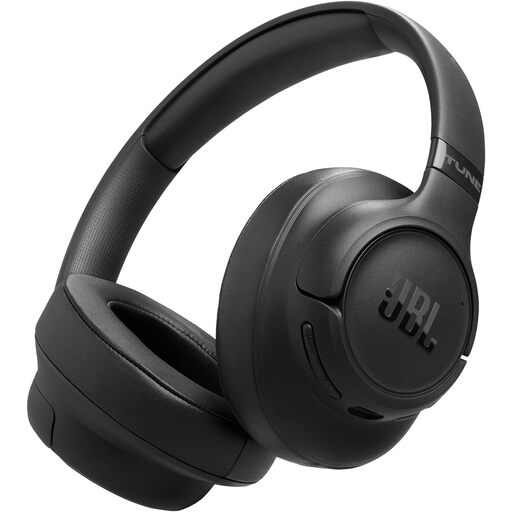
JBL Tune 780NC wireless over-ear headphones, Black
For private track review, this wireless over-ear model has adaptive noise cancellation. Keep vocal practice silent in quiet or silent study areas.
Joybuy
 No image available
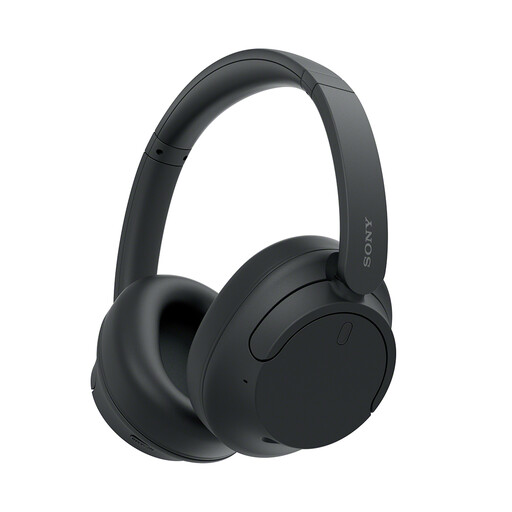
Sony WH-CH720N noise-cancelling over-ear headphones, Black
This over-ear noise-cancelling model suits private backing-track listening rather than singing aloud in a quiet study area.
Joybuy
 No image available
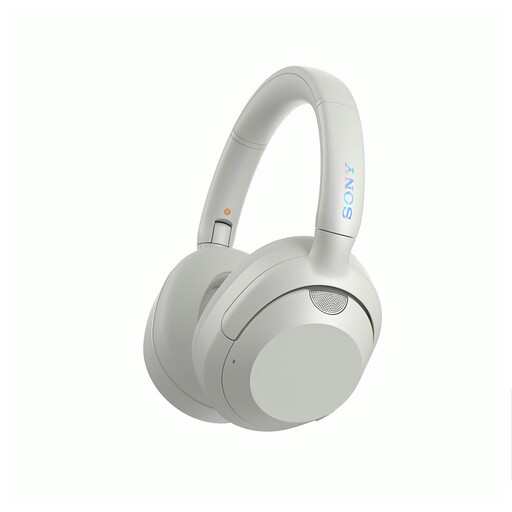
Sony WH-ULT900N ULT Wear noise-cancelling over-ear headphones, Off-White
Consider this model for silent track listening with noise cancellation. If you need it for long sessions away from charging, check its battery life and charging time before choosing.
Joybuy
 No image available
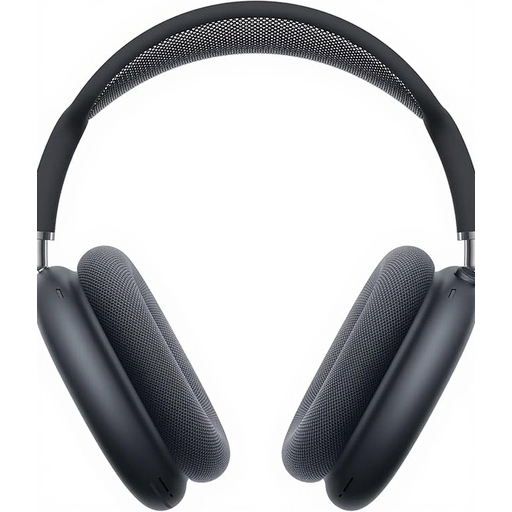
Apple AirPods Max (USB-C), Midnight
For silent backing-track study, check that this USB-C variant works with your exact device and software before choosing it. Move to a permitted space if you need to sing aloud.
Joybuy
 No image available
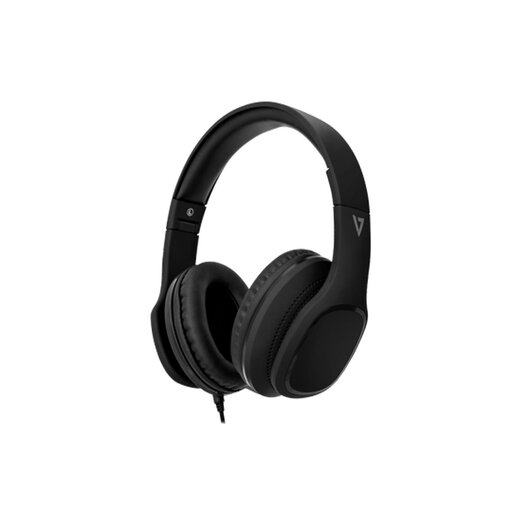
V7 HA701-3EP wired over-ear headphones with 40 mm drivers
For silent wired track review, this model lists passive noise isolation and an inline MEMS microphone. Check the connector required by your playback device; an inline microphone does not, by itself, establish a live vocal-monitoring setup.
Joybuy
Common questions
Can I sing my backing-vocal part in a quiet library if I wear headphones?
Do not assume headphones permit audible singing in a quiet or silent study area: they contain playback, not your voice. The University of Reading and Warwick Library distinguish areas by permitted noise level, so check your library’s current signage and use a space that allows vocal practice.
When should I choose noise-cancelling headphones?
Choose them for silent backing-track listening, lyric learning and mental rehearsal when you want less surrounding distraction. An ambient or aware mode can be useful if you need to hear staff or announcements; keep playback at a comfortable level.
Do wired headphones let me hear my own voice while rehearsing?
Wired headphones can form part of a live-monitoring setup, but they do not provide direct monitoring on their own. For a microphone feed with minimal perceived delay, check that your exact audio interface and connections support direct monitoring; Focusrite describes this feature on its supported systems.


