
24/7 Customer Support

Free returns

Same-day & Next-day Delivery

Quality Guaranteed

Unlock Your Welcome Offers: FREE Delivery | Up to 80% OFF | Free 30-day JoyPlus trial
Download the APP
Buying backpacks can seem straightforward until you compare capacity, fit, fabric, laptop protection and weather resistance. Marketing language often focuses on appearance or an impressive list of pockets, while the details that affect daily comfort and durability receive less attention.
Before choosing a school backpack, work backpack, travel backpack or outdoor pack, watch for three common pitfalls:
Capacity should match the way you intend to use the backpack:
A large main compartment is not enough on its own. Look for dedicated sleeves for laptops, hydration reservoirs, clothing and smaller accessories. If you carry a 15.6-inch device, check the stated laptop compatibility rather than relying on the exterior dimensions.
Fabric weight and construction provide useful clues, but they should not be treated as a complete durability guarantee. For example, the Deuter Guide 22L SL uses 420D nylon with a stated 290 GSM, while the Deuter Guide 28L uses 420D nylon with a stated 280 GSM. These are practical specifications to compare when abrasion resistance matters on rocky paths or around climbing equipment.
For everyday use, polyester, nylon and recycled polyester can all be suitable, depending on stitching, zips and reinforcement. An eco-friendly backpack may use recycled fibres without sacrificing everyday practicality, but recycled content alone does not tell you how the whole bag will perform.
Pay close attention to the wording:
A padded back panel and contoured shoulder straps can improve comfort, but fit remains personal. For a technical pack, measure your torso from the C7 vertebra to the iliac crest, then compare the measurement with the manufacturer’s size guide.
Also check:
The recommended load limit is equally important. For instance, the HP Travel 18L backpack lists a recommended maximum load of 5 kg, so it should not be treated like a heavy-duty trekking pack.
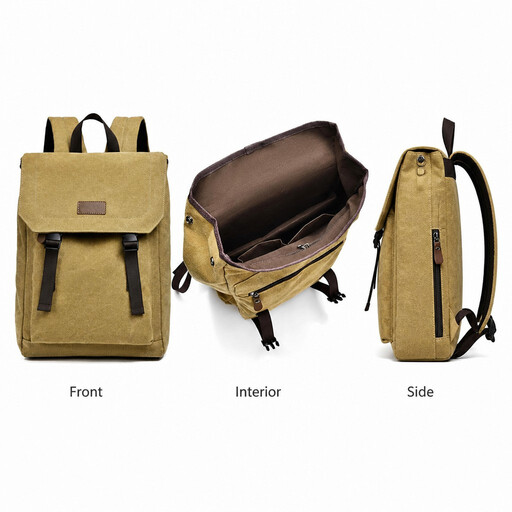
Why This Fits Their Persona: A practical option for shoppers wanting one casual bag for school, work, everyday errands and short travel without a technical outdoor design.
The product description identifies a lightweight, water-resistant canvas design, helping shoppers distinguish it from a fully waterproof backpack.
15.6-inch laptop compatibility; flip-top design; lightweight, large-capacity format for everyday carrying.
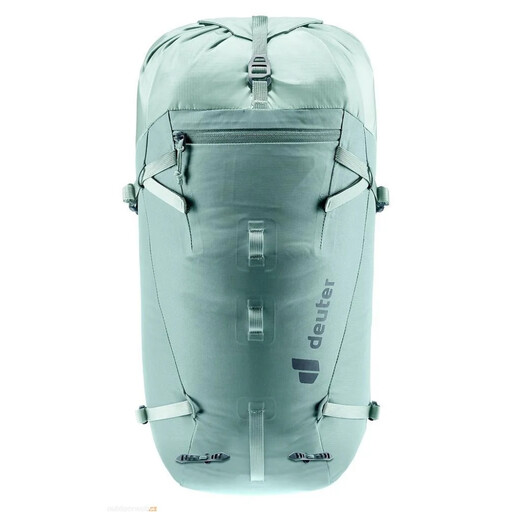
Why This Fits Their Persona: Designed for climbers and hikers carrying technical equipment on demanding day routes, alpine approaches or longer outdoor outings.
The 28-litre capacity, torso adjustment, hip belt and stated gear attachment points make its intended heavy-use role clearer than a generic daypack.
420D nylon at a stated 280 GSM; ventilated back system; ice axe loops, trekking pole holders and integrated rain cover.
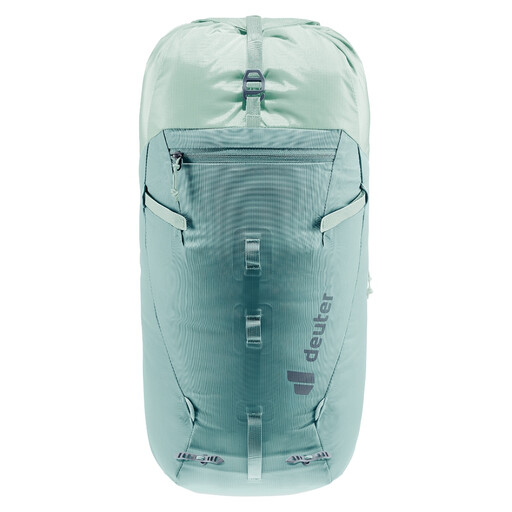
Why This Fits Their Persona: A female-specific option for technical day hikes and mountaineering where a secure fit, equipment attachment and manageable capacity are priorities.
Its women-specific shoulder straps and hip belt address the common mistake of selecting a technical backpack without checking body shape or torso length.
22-litre capacity; 420D nylon with a stated 290 GSM; hydration sleeve, gear loops and integrated rain cover.

Why This Fits Their Persona: Its backpack-to-briefcase design suits office commuters, train journeys and business travel where presentation and luggage compatibility both matter.
The specification identifies a padded 15.6-inch laptop compartment and trolley pass-through, rather than relying only on a slim appearance.
Fits laptops up to 15.6 inches; converts to briefcase carry; made with fabric woven from recycled plastic bottles; weighs 750 g.
We have compiled a complete, real-time list of products that fully satisfy these strict selection criteria and UK safety regulations.
Yes, provided the capacity, laptop protection and weather resistance match your route. For public transport or office use, an 18-litre laptop backpack can be easier to manage than a larger hiking design. If you cycle or walk in exposed conditions, add a rain cover or waterproof sleeve.
Lifespan depends on load, fabric, stitching, cleaning and exposure to rain or abrasion. Avoid carrying more than the stated load limit, store the bag dry and inspect shoulder strap stitching and zip areas regularly. A technical pack designed for climbing equipment may be more suitable for demanding use than a lightweight school backpack.
A sleeping pad should fit inside or attach securely to your camping backpack without interfering with balance. The VXOYO single camping sleeping pad measures 192 × 58 cm, weighs 690 g and packs to approximately 26 × 10 cm. Check your pack’s attachment points and leave enough internal space for clothing, food, water and a shelter.