Parents buying for a class stall
Plan how many portions the pack will provide and keep its ingredient information with the biscuits. Wrapped bars and loose biscuits call for different serving arrangements.


Choose individually wrapped bars if the stall needs separate, countable portions with little handling. A sharing pack makes sense when helpers can portion and serve the biscuits while keeping the original ingredient information available. In either case, check the purchased pack’s ingredients and the school’s arrangements before offering biscuits to a child with an allergy or a need for gluten-free food.
Plan how many portions the pack will provide and keep its ingredient information with the biscuits. Wrapped bars and loose biscuits call for different serving arrangements.
Decide how biscuits will be displayed and served, who will handle them, and how families can check ingredients. Confirm the school’s event arrangements before asking people to bring food.
Check the exact purchased label and the serving arrangements rather than relying on a general description such as “chocolate biscuit”. Ingredients and precautionary warnings differ between products.
Set the intended sale portion first; that determines whether a bar count or a count of loose biscuits is useful.
Choose when: Helpers need portions they can count and hand over separately.
Bear in mind: Keep the outer pack available for ingredient checks, and confirm whether the stated count means bars, wrappers or twin packs.
Choose when: Helpers can portion and serve loose biscuits at the stall.
Bear in mind: An opened pack needs suitable storage and serving arrangements, with its ingredients identifiable throughout the sale.
| Priority | What to check | Your needs |
|---|---|---|
| Usable portions | Define one sale portion, then check the count on the pack bought. McVitie’s lists seven biscuits for Club Orange 161g and about 16 for its Milk Chocolate Digestives 266g; Sainsbury’s lists approximately 29 servings for its 400g Chocolate Chip Digestives. | I need enough portions for the stall without treating pack weight as a biscuit count. |
| Ingredients and allergens | Read the exact pack label, including precautionary warnings. Keep each outer pack identifiable when its biscuits are displayed separately, and check the school’s arrangements for serving them. | If a family asks about ingredients, I want helpers to know which pack supplied each biscuit. |
| Cost per portion | Compare current pack costs against the number of portions you actually plan to serve. Check biscuit style and count as well as weight; coated digestives, chocolate-chip biscuits and bars are different formats. | I want to compare packs on the portions the stall can use, not on pack size alone. |
| Storage and serving | Follow the purchased pack’s storage directions and plan how opened biscuits will be handled. Tesco’s milk-chocolate digestive listing specifies cool, dry storage and an airtight container once opened. | Helpers need a way to serve biscuits while keeping opened packs in good condition. |
A seven-bar Club Orange pack, a digestive pack listed at about 16 biscuits and a chocolate-chip pack listed at approximately 29 servings call for different portion plans.
Decide what will count as one portion and check the purchased pack’s count before calculating how many packs to bring.
A mistaken count can mean buying extra packs or having biscuits left over.
Once biscuits are displayed away from their outer packaging, families may not be able to identify the product or check its ingredients.
Keep each original pack with its corresponding biscuits. Confirm the school’s allergen policy and how the event will serve the food.
Sainsbury’s Chocolate Chip Digestives list wheat, oats, milk and soya ingredients. Tesco’s Dark Chocolate Digestives list wheat and soya ingredients and carry a may-contain-milk warning.
Check the label of the product actually bought against the child’s requirements; “dark chocolate” or “chocolate chip” is not an allergy clearance.
These references cover distinct biscuit formats; a brand name alone does not establish a pack’s portion count or allergy suitability.
Its Penguin and Club bars and Milk Chocolate Digestives offer different ways to portion chocolate biscuits.
A McVitie’s chocolate biscuit-and-cream bar line for stalls considering separate portions.
A McVitie’s biscuit-bar line with flavoured options; Club Orange differs from a plain chocolate digestive.
Its Chocolatey Biscuit Selection is an assortment rather than a pack of uniform portions.
Its 300g milk- and dark-chocolate digestive packs provide own-brand sharing-pack examples.
Its 400g Chocolate Chip Digestives are a sharing pack with chocolate chips rather than a chocolate coating.
These options focus on multipacks of chocolate biscuits, biscuit bars and wafer bars that could be portioned for a school stall. Check each pack’s saleable-unit count, ingredients and the school’s requirements before choosing.
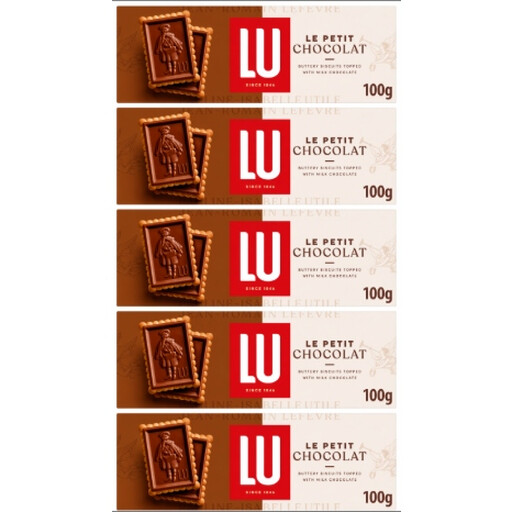 Image unavailable
The six 100g packs offer separate packs to plan around, but check how many saleable portions are inside each one. The product information identifies wheat, milk and soya; check the purchased label for other cereals or precautionary nut warnings and keep it available at the stall.
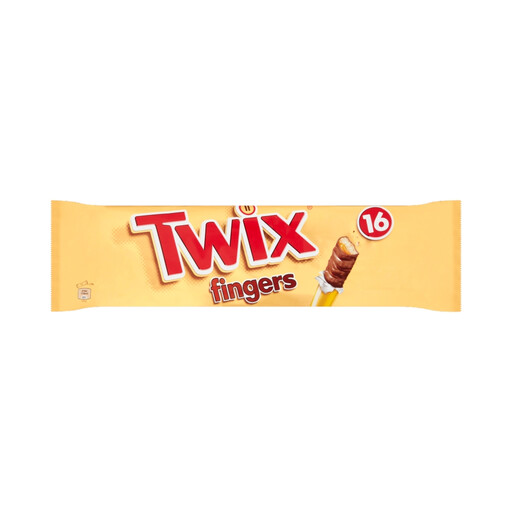 Image unavailable
The stated 16 individually wrapped biscuit bars make a one-bar portion straightforward to count. The product information identifies milk, wheat, soya and barley; check the purchased label for its nut warning and against the school’s policy.
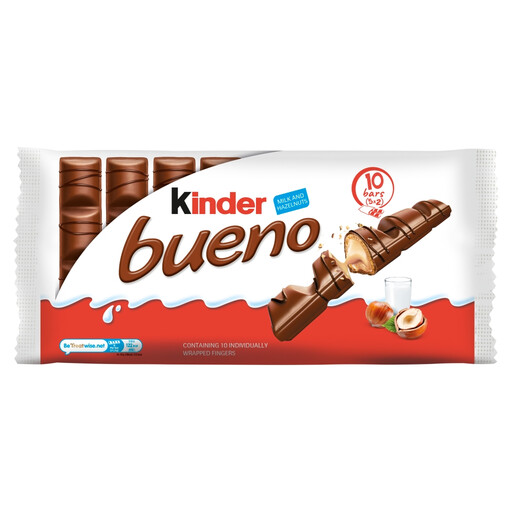 Image unavailable
This chocolate hazelnut wafer-bar option has separate portions, but confirm the number of saleable units on the pack: its title and pack description give different counts. The product information identifies milk, wheat, hazelnuts and soya; check the purchased label for other nut warnings.
 Image unavailable
Nine twin packs give the stall a pack count to plan from; decide whether a sale portion will be a twin pack or a single bar, and check the wrappers before calculating portions. The product information identifies milk, soya and wheat; check the label for nut and other cereal warnings.
 Image unavailable
The stated 12 individually wrapped wafer bars can be counted as separate sale portions. The product information identifies wheat, milk and soya; check the purchased label for its nut warning and keep the ingredient information with the bars.
Yes, if the organiser’s serving arrangements allow it, but keep each original pack identifiable so families can check which ingredients apply. Use clean, separate serving utensils; Anaphylaxis UK recommends separate utensils for different items to help avoid allergen cross-contact. If the event operates as a registered food business, confirm the allergen-information requirements for the way the biscuits are offered.
Not automatically. Food Standards Agency guidance for England, Wales and Northern Ireland says the local authority may decide registration is unnecessary for very limited, infrequent activity. Food Standards Scotland says occasional food provision is unlikely to require registration. Organisers should ask their local authority about the actual event rather than assuming that every school sale has the same status.
The answer depends on the event’s food-business status and how the biscuits are offered. Food Standards Agency guidance for England, Wales and Northern Ireland says an activity that does not need food-business registration is not legally required to provide allergen information, although the agency encourages it. Keep original packaging available for ingredient checks and confirm the school’s policy; registered organisers should check the rules for their serving arrangement.
Follow the instructions on the purchased pack. Tesco specifies cool, dry storage and an airtight container after opening for its Milk Chocolate Digestives; Sainsbury’s gives similar advice for its Chocolate Chip Digestives. Keep serving surfaces and utensils clean, and plan how opened packs will remain identifiable.
Use the label on the pack actually purchased before offering the biscuits, especially when someone needs to check allergens. Tesco warns that formulations and allergen details can change. If the label raises a product concern, keep the pack and contact the retailer or manufacturer; do not assure a family that a biscuit suits a particular child without checking their requirements and the school’s arrangements.