What should you check?
Settle the school’s requirements first, then choose the biscuit type and a serving format that lets its ingredient information stay clear.
| Priority |
What to check |
Your needs |
| School arrangements |
Ask what the school permits and how it wants ingredients and allergens communicated. Check its arrangements before packing or displaying food. |
I need to know whether this biscuit can be brought to the sale and how its allergens should be shown. |
| Biscuit type |
Check whether the pack is shortbread or digestives, and read its ingredients rather than treating the names as interchangeable. The cited standard shortbreads contain wheat flour and butter; the cited McVitie’s Original Digestive contains wheat flour and wholemeal wheat flour. |
For a buttery shortbread contribution, I can choose a standard shortbread if wheat and milk fit the school’s arrangements. If I want plain digestives instead, I will check that product’s own label. |
| Dietary and allergen claims |
Read the final pack’s ingredients, allergen statements and any gluten-free or vegan claim. Check milk, nuts and peanuts separately from gluten-free status. |
A gluten-free contribution may be needed, but I cannot assume it is suitable for someone with another allergy. If a vegan biscuit is requested, I need that claim on the exact pack being supplied. |
| Serving format |
Check the number and size of portions, whether each is wrapped, and how product information will remain available when biscuits are served. Confirm availability before planning around a case pack. |
I want portions that are manageable at a shared table without losing track of which ingredients belong to which biscuit. |
Brand and product-line references
These examples show why the exact product line and packet matter more than a brand name alone.
Walker’s Shortbread
Walker’s lists both standard assorted shortbread and gluten-free rounds, which serve different ingredient requirements.
- The gluten-free rounds case is listed as 60 individual 30 g packets. Walker’s says these rounds meet the less-than-20-ppm gluten-free standard and that it tests every batch before release.
- Those rounds contain milk and may contain nuts. Its standard assorted shortbread contains wheat and milk and may contain nuts.
Dean’s
Dean’s lists conventional shortbread fingers in both a 125 g pack and an individually wrapped case format.
- The case listing describes approximately 80 individually wrapped 17 g fingers, a format to consider when portions need handing out separately.
- The cited fingers contain wheat and milk. The case listing was marked unavailable when recorded, so confirm its current status before planning quantities.
M&S
M&S Made Without Wheat All Butter Shortbread Rounds are labelled gluten free; that claim addresses gluten, not every allergy.
- The named rounds provide a labelled gluten-free shortbread option to assess where that requirement has been confirmed.
- They contain butter made from milk, and M&S states they are unsuitable for people with nut or peanut allergy. Check the packet for current information.
Waitrose
Waitrose Shortbread Fingers are a conventional wheat-and-butter shortbread example.
- The cited product is presented as a finger pack with 10 servings.
- Its ingredients include wheat and milk, and the listing says it may contain nuts. Waitrose advises checking the packet as recipes and allergen information may change.
McVitie’s
McVitie’s Original Digestives illustrate the plain-digestive route rather than a shortbread choice.
- Tesco’s listing for the cited Original Digestives labels that product suitable for vegans and vegetarians.
- The cited listing includes wheat flour and wholemeal wheat flour and says the biscuits may contain milk. Check the exact variant’s packet before relying on its dietary information.
Biscuit options on Joybuy
These options cover a 25 g shortbread portion and two digestive packs. Check each packet against the school’s allergy arrangements; the shortbread and digestives are different biscuit types.
 No image available
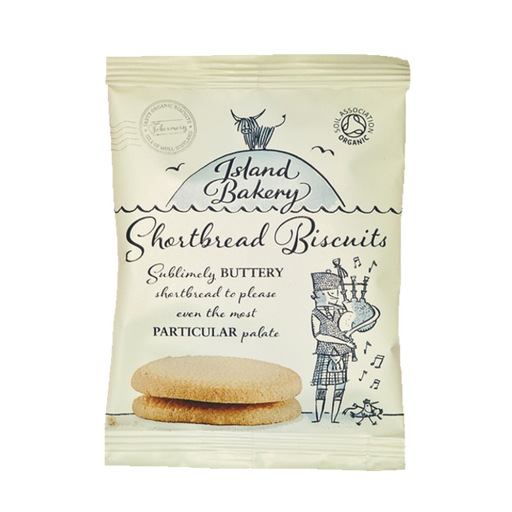
Island Bakery Organic Shortbread 25g
The 25 g size may suit a sale planned around small portions; check how the biscuit is packaged before deciding how to hand it out. Joybuy’s listing names wheat and milk as allergens, so compare the final packet with the school’s arrangements.
View on Joybuy
 No image available
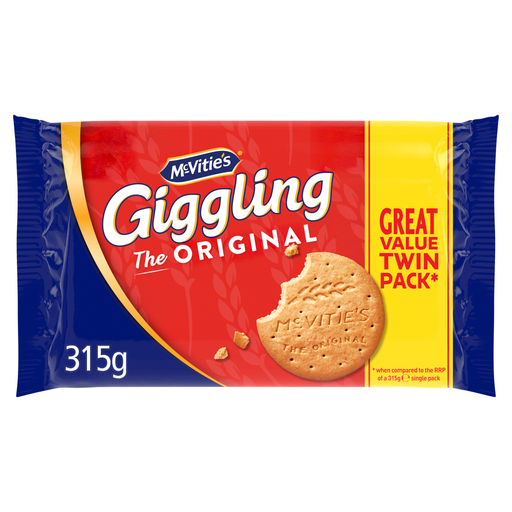
McVitie’s Digestives The Original 2x315g
This is a digestive option in two 315 g packs, rather than a shortbread portion. Joybuy’s listing includes wheat flour and wholemeal wheat flour; check the final packet for other allergen statements and plan how biscuits from the packs will be served.
View on Joybuy
 No image available
Gullon Zero Sugar Free Original Digestives 400g
This 400 g digestive pack offers another biscuit type to consider instead of shortbread. Read its final ingredient and allergen label, including the wheat, milk and soya statements, before bringing it to school; also check how the biscuits will be portioned.
View on Joybuy
Common questions
Are shortbread and digestive biscuits the same thing?
No. The cited standard shortbreads from Dean’s, Walker’s and Waitrose contain wheat flour and butter, while the cited McVitie’s Original Digestive contains wheat flour and wholemeal wheat flour. Choose the biscuit style you intend to bring, then check that product’s packet for its ingredients and allergens.
Is gluten-free shortbread suitable for every school sale?
No. Walker’s cited gluten-free rounds contain milk and may contain nuts; M&S says its Made Without Wheat rounds contain milk and are unsuitable for people with nut or peanut allergy. Check the school’s arrangements and the final packet for all relevant allergens, not just gluten.
What if food is made and packed at school before the sale?
Ask the school or event lead whether the sale falls within its food-business arrangements and how the food is classified. Food Standards Agency and GOV.UK guidance says a food business producing food prepacked for direct sale must label it with the food name, a full ingredients list and allergens emphasised in that list; an individual volunteer sale cannot be classified from the packing method alone.
What should I check before taking packaged biscuits to an England school?
Check the school’s allergy safety policy and read the packets you will actually bring. Department for Education guidance addresses schools’ arrangements for reducing contact with pupils’ known allergens; retaining the packaging also keeps the product’s ingredient information available at the sale.
Does individual wrapping settle the allergen question?
No. Wrapping can make portions easier to identify and distribute, but it does not change their ingredients. Anaphylaxis UK’s bake-sale guidance recommends clear allergen information and a separate area for allergy-friendly bakes; follow the school’s arrangements for display and serving as well.


