Hosts serving a shared side
Start with the number of diners and the can’s declared servings. If beans are one of several grill sides, a shared tin may be enough; compare the tomato sauce and per-100g label as well as the pack size.


Choose a tin around the number of people eating: Waitrose Essential’s 420g tin declares two servings, while M&S describes its 220g tin as single serve. If sugar or salt matters to your household, compare the figures per 100g on the exact recipes rather than relying on a reduced claim alone. Check ingredients, allergy statements and opened-storage instructions before settling on a cupboard staple.
Start with the number of diners and the can’s declared servings. If beans are one of several grill sides, a shared tin may be enough; compare the tomato sauce and per-100g label as well as the pack size.
Look at the exact recipes under consideration. A reduction against one brand’s standard beans does not establish how that recipe compares with another brand, and reduced recipes may contain sweeteners.
A smaller can may fit a modest side portion without opening a larger tin. If beans remain, transfer and refrigerate them according to the pack’s instructions.
Decide how many portions you want, then compare recipes on the same per-100g basis. Finish with the ingredient, allergy and storage information for the can you plan to serve.
| Priority | What to check | Your needs |
|---|---|---|
| Portions and format | Read the pack weight and declared serving count. Waitrose & Partners lists two servings for its Essential 420g tin; Marks & Spencer describes its Only 7 Ingredients 220g tin as single serve. | I’m putting out a shared side, or I only want a small portion alongside other grill dishes. The serving count helps me judge whether to open one can or more. |
| Sugars and salt | Compare sugars and salt per 100g, then read what any reduction is measured against. Sainsbury’s lists 2.8g sugars and 0.29g salt per 100g for its reduced recipe; Waitrose & Partners lists 1.9g sugars and 0.4g salt per 100g for Heinz No Added Sugar. Both cited recipes contain sweetener. | If I’m choosing around sugar or salt preferences, I want the values for the actual cans on my shortlist—not just a claim measured against each brand’s own standard recipe. |
| Ingredients and allergies | Check the current ingredients, dietary statement and allergy warning separately. Marks & Spencer lists its standard baked beans as vegan, while its 220g Only 7 Ingredients tin states that it is not suitable for people with a Milk or Egg allergy. | Someone at the BBQ may need a specific dietary or allergy check. A vegan statement alone does not answer every allergy question. |
| Leftovers and dates | Read the opened-storage period on the pack. Waitrose & Partners directs shoppers to refrigerate its Essential beans and use them within two days; Marks & Spencer specifies three days for its standard beans. GOV.UK distinguishes quality-related best-before dates from safety-related use-by dates. | If I won’t use a whole tin, I need a suitable container and fridge space for the remainder. I’ll follow that product’s instructions rather than treating opened beans as a cupboard item. |
Sainsbury’s compares its Reduced Sugar & Salt beans with its own standard recipe, while Heinz compares the salt in its No Added Sugar beans with standard Heinz Beanz. Neither claim ranks the products against every alternative.
Compare sugars and salt per 100g on the cans you are considering, and read the ingredients if you want to avoid sweeteners.
Once opened, the cited products call for refrigeration and specify a limited period for using the remainder. That matters when beans are only one of several BBQ sides.
Consider a smaller format for a modest portion. Otherwise, transfer leftovers to a suitable covered container, refrigerate them and follow the pack’s stated period.
Dietary and allergy statements answer different questions. Marks & Spencer describes its 220g Only 7 Ingredients beans as unsuitable for people with a Milk or Egg allergy.
Read the allergy statement on the exact pack before serving, particularly if you switch recipe or can size.
A listing helps with planning, but the pack in hand is the relevant place to confirm ingredients, allergens and instructions for that meal.
Check the current can’s label, including its nutrition panel, storage directions and best-before date, before serving.
These examples show how formats and recipes differ; check the particular product label rather than applying a statement about one tin to an entire range.
Standard and No Added Sugar baked beans appear in several can sizes relevant to shared sides and smaller meals.
Its cited Reduced Sugar & Salt baked beans come as four 400g tins for cupboard stocking.
Marks & Spencer lists a standard 400g tin and a 220g Only 7 Ingredients tin described as single serve.
Waitrose & Partners lists its standard tomato-sauce baked beans in a 420g tin with two declared servings.
Tesco’s baked-bean category includes own-label and branded products in standard tins, multipacks and other formats.
These options cover standard tomato baked beans in larger-can multipacks, a reduced-sugar-and-salt multipack, a smaller tin and a tomato-bean jar. Match the format to your BBQ portions and check the exact recipe before buying.
 No image available
Four tins provide a reduced-recipe option to keep for separate grill meals. The reduction is relative to standard Branston beans, not every alternative; check the current per-100g panel and ingredients if sugar, salt or sweeteners affect your choice.
 No image available
This six-tin pack is an option when you plan to serve standard tomato baked beans at more than one meal. Check that the quantity suits your cupboard space and use the serving information on the cans to plan each BBQ side.
 No image available
The 220g tin is worth considering for a modest bean side when a larger can could leave unused contents. Check the portion against the number of diners, and read the current dietary and allergy statements if required.
 No image available
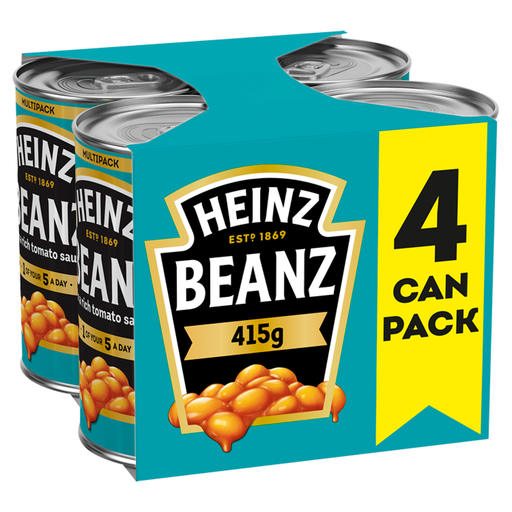
Four 415g tins offer a standard tomato-bean recipe for cupboard stocking and shared grill meals. Check portions for your gathering and compare the current sugar and salt figures if those influence your choice.
 No image available
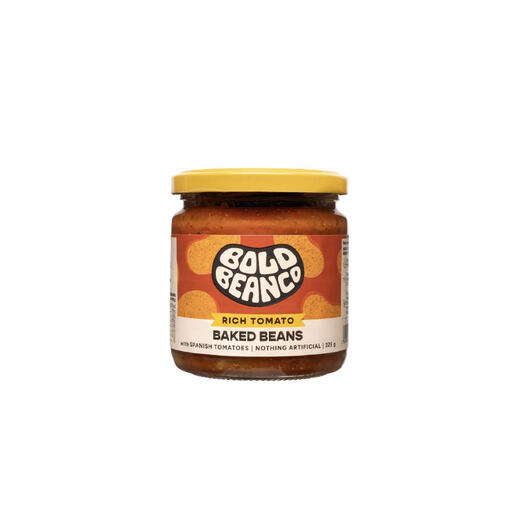
This 325g jar is a different format for a tomato-bean accompaniment. Check its serving and preparation directions before choosing it for a warm BBQ side: the stated instructions say not to boil or reheat. Its allergy statement says it may contain eggs, milk, nuts and peanuts.
Start with the declared servings on the can, then account for the other food you are serving. Waitrose & Partners lists two servings for its Essential 420g tin and for Branston’s 410g tin; Marks & Spencer describes its 220g Only 7 Ingredients tin as single serve. Those figures describe the cited products, not every can of the same weight.
Choose between the exact recipes by comparing their sugars and salt per 100g and reading their ingredients. A reduced claim describes a comparison with the maker’s named standard recipe: Sainsbury’s Reduced Sugar & Salt beans and Heinz No Added Sugar beans use different brand baselines, and both cited recipes contain sweetener.
Some cited products are explicitly listed as suitable for vegans, including Waitrose Essential and M&S standard baked beans. Check the exact pack rather than assuming every recipe has the same designation. Vegan suitability is also separate from allergy suitability: Marks & Spencer warns that its 220g Only 7 Ingredients beans are not suitable for people with a Milk or Egg allergy.
Transfer leftovers to a suitable covered container, refrigerate them and follow the period stated on that pack. Waitrose & Partners specifies two days for its Essential beans, while Marks & Spencer specifies three days for its standard beans. Zero Waste Scotland also advises moving opened canned-food leftovers into a container in the fridge.
GOV.UK explains that best-before dates concern food quality, whereas use-by dates concern safety, and gives tinned foods such as baked beans as a best-before example. Follow the tin’s storage instructions; do not use the best-before distinction as a substitute for checking the condition of the product or its instructions once opened.