
24/7 Customer Support

Free returns

Same-day & Next-day Delivery

Quality Guaranteed

Unlock Your Welcome Offers: FREE Delivery | Up to 80% OFF | Free 30-day JoyPlus trial
Download the APP
Baked beans are a reliable cupboard staple for UK households, but choosing the right tin or multipack is not always straightforward. A lower shelf price may hide a smaller can, while a flavour variation can contain more salt, sugar, fat or allergens than expected.
Whether you are shopping for student meals, family breakfasts, quick lunches or vegetarian and vegan recipes, a few checks can prevent disappointing purchases.
A single 220g can may look inexpensive beside a 4 x 410g multipack, but the cost per 100g can tell a different story. Check the net quantity, number of servings and whether the product is intended for one meal or several portions.
Larger packs can suit families and frequent users, while smaller cans may reduce waste for one-person households.
Baked beans in tomato sauce vary in bean percentage, sauce thickness, sugar and salt content. Heinz baked beans, Branston baked beans and alternatives such as Cirio baked beans use different ingredient ratios and nutritional profiles.
Flavoured options need additional checks. Cheesy baked beans contain milk, while baked beans with sausages may contain wheat and milk through the sausage ingredients. Always read the current packaging, particularly if you are buying for someone with an allergy.
“Beans” can refer to very different products. Canned beans for savoury meals are not the same as baking beans, which are ceramic or other heat-resistant weights for blind-baking pastry. Similarly, Korean red bean snacks, sweet rice cakes and Asian snacks are usually sweet or savoury snack foods rather than breakfast beans.
Using the product description, storage instructions and ingredients list helps prevent ordering the wrong type.
The percentage of beans appears in the ingredients list and provides a useful comparison. For example, Branston Baked Beans in Tomato Sauce 220g lists beans at 51% and tomatoes at 38%. Heinz Baked Beans in Tomato Sauce 415g lists white beans at 50% and tomatoes at 36%.
This does not determine personal preference, but it gives a practical indication of how much of the product is beans compared with sauce, water and thickening ingredients.
Use the per 100g column when comparing products with different can sizes. Branston Reduced Sugar & Salt Baked Beans lists 2.8g sugar and 0.39g salt per 100g, compared with 4.7g sugar and 0.60g salt in the standard Branston version listed in the supplied product information.
Fibre and protein can also matter for shoppers building filling meals. Branston standard baked beans lists 5.9g fibre and 4.6g protein per 100g, while Heinz’s standard version lists 3.9g fibre and 4.8g protein per 100g. Values may vary by pack and should be checked against the label at purchase.
Vegetarian baked beans are widely available, and some products are labelled suitable for vegans. However, recipes can change, so check the current allergen statement rather than relying only on the front of the tin.
After opening, transfer unused beans to a suitable covered container, refrigerate and use within the period printed on the packaging. Several products in this range specify use within two days. Unopened cans should generally be stored in a cool, dry place, away from direct sunlight.
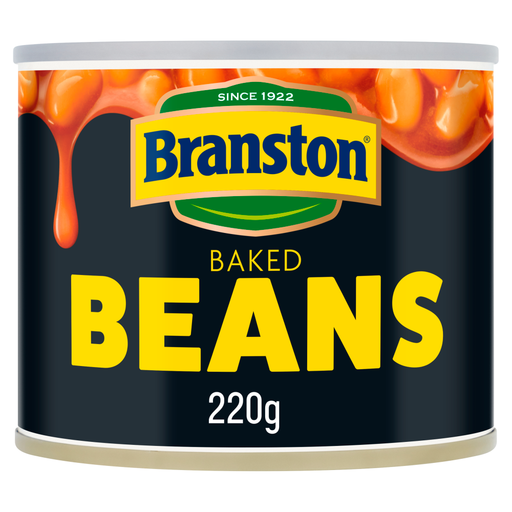
Why This Fits Their Persona: The 220g format suits students, solo diners and shoppers who want a quick portion without opening a larger multipack.
The clearly stated single-can quantity makes portion and price comparisons more transparent than judging by the can shape alone.
Vegetarian-friendly recipe; lists 5.9g fibre and 4.6g protein per 100g.
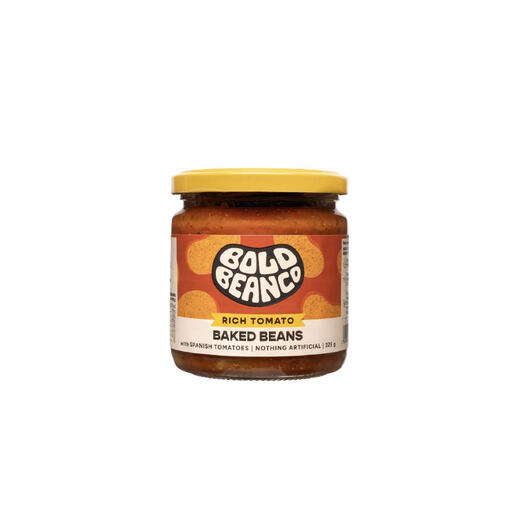
Why This Fits Their Persona: A jar format with tomatoes, white beans, olive oil and herbs suits shoppers looking for a more composed side dish or toast topping.
The ingredient list is presented clearly, helping buyers assess oil, herbs, sugar and potential allergens rather than relying on flavour-led wording.
Lists 6.2g fibre per 100g; supplied product information states no preservatives or additives.
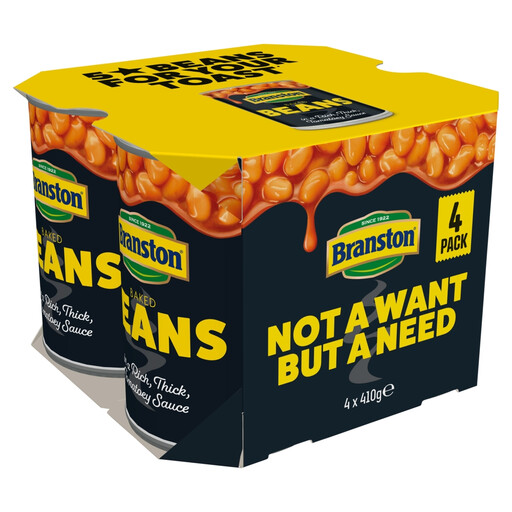
Why This Fits Their Persona: The four-can format works for families, shared accommodation and anyone planning regular breakfasts, jacket potatoes or batch cooking.
The total quantity is stated as 1,640g, making it easier to compare unit cost with individual cans.
Four 410g cans; supplied information lists 5.9g fibre per 100g and a vegetarian, gluten-free recipe.
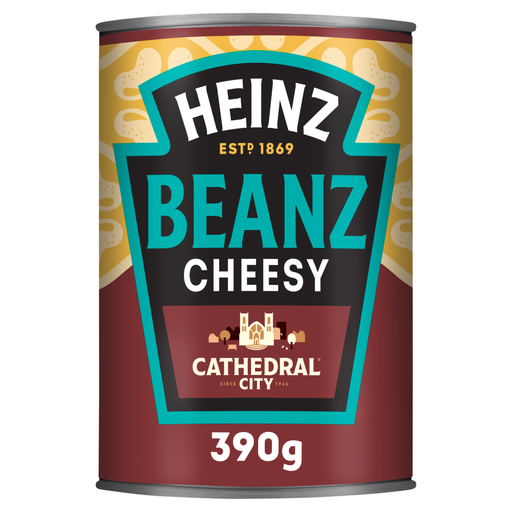
Why This Fits Their Persona: The cheese-based recipe offers a ready-made alternative to adding grated cheese to beans on toast or baked potatoes.
The product identifies cheese at 8% and clearly states milk as an allergen, reducing the risk of overlooking dairy in a flavoured tin.
390g can; ready to heat and serve with toast, potatoes or a cooked breakfast.
We have compiled a complete, real-time list of products that fully satisfy these strict selection criteria and UK safety regulations.
Many standard tomato-sauce recipes are vegetarian, and some are labelled vegan. Flavoured products, especially baked beans with sausages or cheesy baked beans, may contain pork or milk. Check the latest ingredients and allergen information before buying.
Follow the storage directions on the specific product. Several products listed here advise transferring leftovers to a covered container, refrigerating and consuming within two days. Do not rely solely on the unopened best-before date once the can has been opened.
Some product packaging states that half a can counts as one portion as part of a balanced diet. Serving definitions can vary, so check the product label and consider the beans alongside the rest of your meal rather than treating the claim as a complete nutritional assessment.