What should cyclists check?
Start with when you intend to eat the beans, then compare tin size and the nutrition information for the portion you would actually serve.
| Priority |
What to check |
Your needs |
| Meal or ride food |
Consider whether the food needs to fit in a pocket and be eaten while moving. Check its fibre content and try your planned ride food in training. |
I want beans for a meal at home, but something easier to carry and eat if I need food during a ride. British Cycling notes that regular snacking on the bike can be difficult. |
| Tin and pack size |
Compare the weight of each tin, the number of tins and how much you expect to use. Check availability before planning meals around a particular pack. |
A smaller tin suits me when I need one portion; a multipack makes more sense when I will use several tins. |
| Meal nutrition |
Read carbohydrate and protein per stated serving, then check how that serving relates to your portion. Compare figures on the same basis, such as per 100g. |
I want to know what the beans contribute to a meal alongside the other foods I am serving, rather than treating one tin as a complete fuelling plan. |
| Salt and ingredients |
Compare salt per portion as well as per 100g, and read the ingredients and allergen information on the can you buy. The NHS advises adults to have no more than 6g of salt a day, including salt already in food. |
I may eat beans regularly, so the salt in my usual portion matters. If I need to avoid an ingredient, I will check this recipe's current label. |
Brand and retailer references
These examples show why recipe, serving size and pack format deserve closer attention than a brand name alone; they do not describe every tin in each range.
Tesco
Tesco lists a 420g reduced-sugar-and-salt baked-bean recipe. Its product information declares 26.1g carbohydrate, 8.8g protein and 0.60g salt per half-can.
- The stated half-can serving gives a basis for comparing meal portions.
- Check the particular Tesco recipe and current label; these figures do not describe every Tesco tin.
Sainsbury's
Sainsbury's lists standard baked beans in a 4 × 400g pack. Its product information gives 24.9g carbohydrate, 7.5g protein, 8.5g fibre and 1.16g salt per half-can.
- The four-tin format may suit households that use beans regularly.
- Compare its declared salt with another recipe if that difference affects your choice.
Waitrose
The Essential Waitrose standard recipe is sold as a 420g tin. Waitrose declares 28.2g carbohydrate, 9.3g protein and 1.03g salt per half-can, and also lists a separate reduced-salt-and-sugar variant.
- Standard and reduced-salt-and-sugar recipes offer different label options to compare.
- Do not apply the standard tin's nutrition figures to the reduced-salt-and-sugar variant.
Heinz
The checked Heinz 415g baked-bean tin has a declared salt content of 1.30g per half-can on its Waitrose listing.
- A stated half-can figure can be compared with the same serving basis on other tins.
- Check the exact Heinz pack and current label rather than transferring this figure to another size or recipe.
M&S
M&S lists a 220g Only 7 Ingredients baked-bean tin labelled vegan and vegetarian.
- The 220g tin offers a smaller pack format to consider for a meal.
- M&S says this product is not suitable for people with milk or egg allergy; check the pack if allergens matter to you.
Baked-bean options on Joybuy
These tins and multipacks are options to consider for meals away from the bike. Compare their pack sizes with the portions you will use, and check each recipe's current label for nutrition and ingredients.
 No image available
Branston Reduced Sugar & Salt Baked Beans, 4 × 410g
For meals away from the bike when you want to compare a reduced-sugar-and-salt recipe with standard beans. Check the serving size and declared salt and sugar on the pack; the four-tin format is most useful if you will use the tins.
Joybuy
 No image available
Branston Baked Beans, 4 × 410g
A standard-recipe multipack for beans served with meals at home. Use the label's serving size to compare carbohydrate, protein and salt with other recipes, and consider whether four tins match how often you eat them.
Joybuy
 No image available
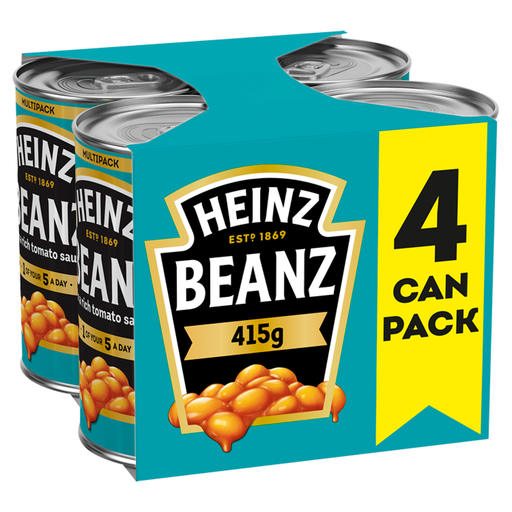
HEINZ Baked Beans in Tomato Sauce, 4 × 415g
This four-tin pack is an option for off-bike meals if you prefer this recipe. Check nutrition on the actual 4 × 415g pack rather than applying figures from a different Heinz listing or tin size.
Joybuy
 No image available
Branston Beans in Tomato Sauce, 6 × 410g
Consider the six-tin format if beans are a regular part of meals away from the bike. Check that the quantity fits your household use, and read this pack's nutrition and opened-tin storage instructions.
Joybuy
 No image available
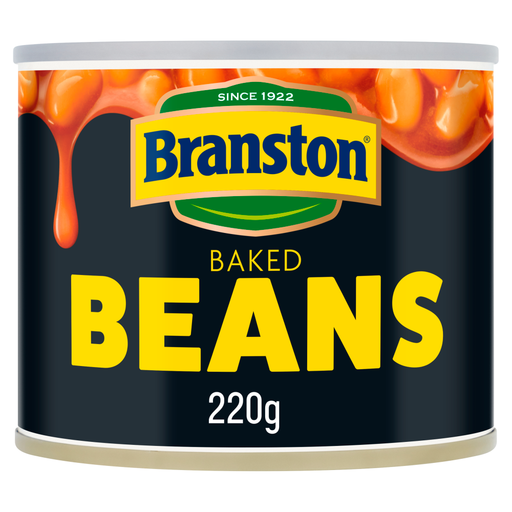
Branston Baked Beans in Tomato Sauce, 220g
The smaller 220g tin may suit a meal where you expect to use one can. Compare its whole-can nutrition with the portion you would serve from a larger tin; it remains a canned meal option, not compact food for a ride.
Joybuy
Questions about beans and cycling
Are baked beans practical food during a bike ride?
They are generally more practical as a meal away from the bike than as food to carry and eat while riding. British Cycling notes that regular snacking on a ride can be difficult, while the Australian Institute of Sport describes sports bars as compact and says lower fibre may help gut tolerance in some endurance settings. Try planned ride food in training.
When might cyclists eat baked beans?
Beans can be part of a breakfast, lunch or meal after a ride if they suit your appetite and plans. Check the carbohydrate and protein for your actual portion, and consider the other foods in the meal rather than assuming the tin alone covers what you need.
How do I compare standard and reduced-salt beans?
Compare salt on the current labels using the same serving basis. Tesco declares 0.60g per half-can for its checked Reduced Sugar and Salt recipe, while Sainsbury's declares 1.16g per half-can for its checked standard multipack. The NHS advises adults to have no more than 6g of salt a day, including salt in other foods.
What should I do with beans left after opening a tin?
Follow the storage and use-by instructions on the specific tin you open. If a larger tin is likely to leave leftovers, check those instructions before choosing it over a smaller format.
Do I need to check allergens on beans labelled vegan?
Yes. A vegan description does not establish suitability for every allergy: M&S labels its Only 7 Ingredients beans vegan and vegetarian but says they are not suitable for people with milk or egg allergy. GOV.UK says prepacked food containing any of the 14 regulated allergens must identify them clearly in the ingredients list, so read the label on the pack you buy.


