Hosts planning an informal buffet
A tomato-bean side can fit baked potatoes, toast or a brunch-style spread. Decide whether it is a small accompaniment or a substantial part of the meal before counting tins.


Baked beans make sense as a cupboard backup or a side for an informal buffet, baked-potato meal or brunch-style gathering, rather than an automatic centrepiece for a formal dinner. Choose the recipe to suit the menu and guests, check the current pack for ingredients and storage instructions, and plan quantities from its stated servings.
A tomato-bean side can fit baked potatoes, toast or a brunch-style spread. Decide whether it is a small accompaniment or a substantial part of the meal before counting tins.
No-added-sugar and reduced-salt variants offer a choice when a guest has expressed a preference. Check the exact ingredients, including any sweeteners, rather than assuming every variant uses the same recipe.
A tin can provide an extra informal side if plans change. Match the pack quantity and stated servings to the number of guests, and check the storage instructions if any beans remain after opening.
Start with the role beans will play on the table, then check the particular tin for portions, ingredients and storage instructions.
| Priority | What to check | Your needs |
|---|---|---|
| Menu fit | Decide whether you want conventional baked beans in tomato sauce or a different bean dish for sharing. Check the bean type and sauce on the pack. | I’m serving a casual buffet or baked potatoes, so a familiar tomato-bean side fits. For a sharing dish with a different flavour and texture, I would choose that product deliberately rather than treat it as the same thing. |
| Portions | Compare the tin’s net weight with its declared servings. Sainsbury’s lists two servings for its 400 g standard tin, and ASDA suggests two for its 410 g standard tin; check the product you buy. | How many guests might take beans, and will they be a small side or a substantial part of the meal? I need enough for that role, not just a tin that looks large. |
| Recipe | Read the current ingredient list and the sugars and salt figures for the stated portion or per 100 g. Check for sweeteners in no-added-sugar variants. | If a guest prefers a no-added-sugar or reduced-salt recipe, I want the exact variant to fit that preference. ASDA lists steviol glycosides in its reduced-salt, no-added-sugar beans. |
| Allergens | Check the exact pack’s ingredient and allergen information before serving. Tesco Groceries warns that food formulations and label details can change. | When someone has an allergy or intolerance, I need information from the pack I’m actually serving, not my memory of an earlier purchase. |
| Leftovers | Read the pack’s after-opening instructions and stated open-life. The cited Sainsbury’s and Tesco products instruct shoppers to transfer unused contents to a non-metallic container and refrigerate them. | If I open more tins than the table needs, I want to know how to store what is left. The Food Standards Agency’s advice is to follow the product’s storage instructions. |
Salt, sugars and ingredients can differ between standard and reformulated beans. ASDA’s reduced-salt, no-added-sugar variant, for example, lists steviol glycosides.
Compare the current labels for the portion size, nutrition figures and ingredients that matter to your guests.
Sainsbury’s 400 g standard tin lists two servings, and ASDA suggests two for its 410 g standard tin. Those figures are a starting point, not a guarantee of how much each guest will take.
Decide whether beans are a small buffet option, a side or the basis of a meal, then use the chosen pack’s serving guidance to plan quantities.
Ingredients and allergen information can change when a product is reformulated, as Tesco Groceries cautions.
Read the physical pack before serving guests with ingredient-related requirements.
The cited Sainsbury’s and Tesco products require refrigerated storage after opening and state a two-day open-life.
Follow the instructions on your pack. For those cited products, transfer unused beans to a covered non-metallic container and refrigerate them.
Opening more tins than needed can leave leftovers that must be used within the pack’s stated time.
These product examples show why it is worth comparing variants within a brand as well as between brands.
Standard and no-added-sugar Heinz Beanz are distinct options when a familiar baked-bean flavour or a particular recipe is wanted.
Tesco’s own-label beans include a no-added-sugar option for shoppers comparing recipes.
The cited standard baked beans in tomato sauce provide a reference point for planning an informal side dish.
ASDA’s cited products include standard beans and a reduced-salt, no-added-sugar variant.
M&S lists conventional baked beans alongside a tomato-sauced butter-bean product intended for sharing.
Waitrose & Partners lists Essential own-label baked beans as well as branded Heinz products.
These tins and multipacks suit a cupboard backup or an informal tomato-bean side. The selection includes a reduced-sugar-and-salt variant alongside standard baked beans; choose by the recipe and quantity you need.
 Image unavailable
Consider this four-can pack when a reduced-sugar-and-salt baked-bean recipe fits the guests’ preferences. Check the current ingredient label, including sweeteners, and the stated servings per can before planning portions.
 Image unavailable
This six-can pack is an option for keeping standard tomato-sauce beans on hand for an informal buffet or extra guests. Use the current pack’s serving guidance to decide how many cans to open, and check its ingredient label for guests’ requirements.
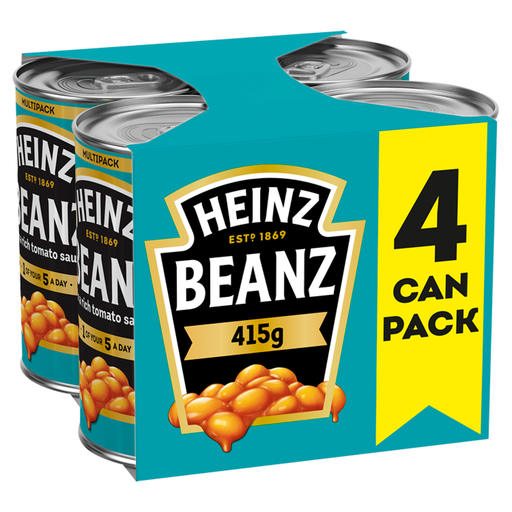 Image unavailable
This four-can pack offers standard baked beans for a casual side or cupboard backup. Check the stated servings on the pack when planning for a group, and read the current label if guests have ingredient or allergen requirements.
Image unavailable
Keep this four-can pack in mind for a standard baked-bean side at an informal meal. Check the pack’s servings before deciding how many tins the group needs, along with its current ingredients and after-opening instructions.
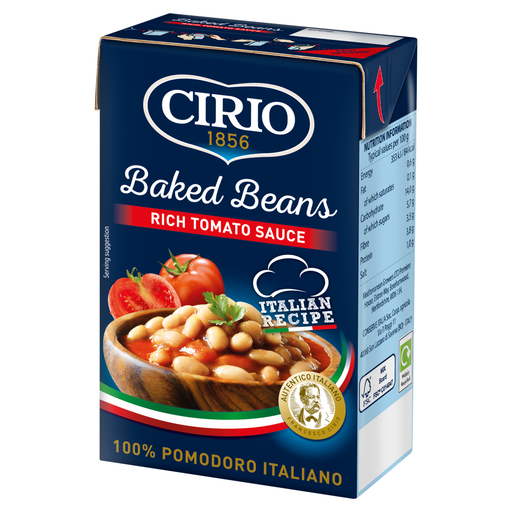 Image unavailable
This single 500 g tin is an option when you want baked beans as a casual dinner side rather than a multipack for the cupboard. Check its serving guidance to judge whether one tin is enough for the number of guests.
They can work for an informal buffet, baked-potato meal or brunch-style spread, or as a backup ingredient. For a formal plated meal, make them part of a planned dish rather than assuming an ordinary tin will suit the menu.
Check the tin you choose. Sainsbury’s lists two servings for its cited 400 g standard tin, and ASDA suggests two for its cited 410 g standard tin; how much you need also depends on whether beans are a small side or a larger part of the meal.
No. Check the exact ingredients and any guest preferences: ASDA’s cited reduced-salt, no-added-sugar variant contains steviol glycosides. A recipe claim is not a substitute for checking the current pack.
Read the ingredient and allergen information on the current pack of the exact beans you will serve. Tesco Groceries cautions that product formulations can change, so an older listing or a previous purchase is not enough for that decision.
Follow the chosen pack’s after-opening instructions. The cited Sainsbury’s and Tesco products instruct shoppers to transfer unused beans to a non-metallic container, refrigerate them and use them within two days; GOV.UK advises keeping food at 5°C or below when its label specifies refrigeration after opening.