Households making a quick dinner
A tin of beans can form the hot component of toast, a jacket potato or another simple meal. Check the tin size, heating directions and instructions for any leftovers.


For beans on toast or a jacket potato, start with a standard tin if the familiar tomato-sauce recipe is what you want; branded and own-label options both fit that meal. Choose a reduced-sugar-and-salt or no-added-sugar recipe when those label details matter more to you, and check the exact tin’s ingredients and allergen declaration before deciding.
A tin of beans can form the hot component of toast, a jacket potato or another simple meal. Check the tin size, heating directions and instructions for any leftovers.
Standard, reduced-sugar-and-salt and no-added-sugar recipes need to be compared as individual products. Read the per-100g nutrition panel, particularly if other parts of dinner also contain salt.
Organic status, a shorter ingredient list and dietary statements answer different questions. Anyone avoiding an ingredient should check the current pack’s ingredients and allergen declaration for the exact variant.
Choose the recipe that suits the meal, then check the tin size and the details on that particular label.
| Priority | What to check | Your needs |
|---|---|---|
| Recipe | Compare standard tomato-sauce recipes from branded and own-label ranges. Check the ingredients if sauce sweetness, texture or added flavourings matter to you. | I want beans that work with tonight’s toast or jacket potato, and I have a particular sauce or recipe in mind. |
| Salt and sugars | Read salt and sugars per 100g on the exact tins. A reduced claim applies to its stated comparison, not to every alternative; check the ingredients for sweeteners too. | If the rest of my dinner contains salty foods, I want to compare the beans’ salt content as part of the whole meal. |
| Tin size | Check the stated tin weight and how much you intend to serve. Look for hob or microwave directions and follow the pack’s after-opening storage instructions. | A full-size tin may suit dinner with someone else; for a smaller meal, I would rather consider how much I will use at once. |
| Ingredient preferences | Check whether an organic claim or stated ingredient count belongs to the exact product. Neither tells you its salt, sugars or allergen details. | I may prefer an organic recipe or a shorter ingredient list, but I still want to know what is in the tin. |
| Allergens | Read the current pack’s ingredients and allergen declaration for the chosen variant. Do not use a vegan or vegetarian statement as a substitute for that check. | When an ingredient must be avoided, I need the declaration for this tin, not an assumption based on the brand or another recipe. |
Reduced-sugar-and-salt and no-added-sugar describe different product formulations. A claim made against one standard recipe does not establish how another tin compares.
Compare salt and sugars per 100g, then read the ingredients of each tin you are considering. Joybuy’s Branston listing, for example, describes its reduced-sugar-and-salt version in relation to standard Branston beans.
A vegan, vegetarian or other dietary description does not replace the allergen declaration. Marks & Spencer’s listing for its Organic Baked Beans 400g, for example, warns that the product is unsuitable for people with milk or egg allergy.
Check the current physical pack for the exact recipe. GOV.UK guidance says regulated allergens used as ingredients in prepacked food must be clearly identified in the ingredients list.
Opening a full-size tin for a small serving leaves food that needs to be stored according to that product’s instructions.
Check the label before serving. The cited Marks & Spencer and Branston product pages direct shoppers to transfer or empty leftovers into a suitable container, refrigerate them and use them within two days for those products.
These ranges illustrate different recipes and pack formats; the label of the particular tin remains the useful comparison.
Heinz appears in UK retailer listings with standard baked beans and other recipe and pack formats.
Tesco Groceries lists own-label organic baked beans alongside branded alternatives.
Sainsbury’s lists standard own-label baked beans and a reduced-sugar-and-salt variant.
Marks & Spencer lists a seven-ingredient 220g baked-bean product and an Organic Baked Beans 400g product.
Waitrose & Partners lists Essential baked beans alongside branded and other recipe options.
These Joybuy options cover standard tomato-sauce beans in multipacks and a smaller tin, a reduced-sugar-and-salt multipack, and a cheese-containing variation. Choose by recipe and pack format rather than treating them as interchangeable.
 No image available
Consider this four-tin pack when you want to compare a reduced-sugar-and-salt Branston recipe with standard beans. Check the current nutrition panel and ingredients, including any sweetener, against the other tins on your shortlist.
 No image available
This standard tomato-sauce recipe comes as four 415g tins for meals such as beans on toast or a jacket potato. Follow the tin’s heating and after-opening instructions when preparing a serving.
 No image available
This four-tin standard recipe is another tomato-sauce option for repeated cupboard meals. Compare its label with the reduced-sugar-and-salt Branston variant if the recipe difference matters to you.
 No image available
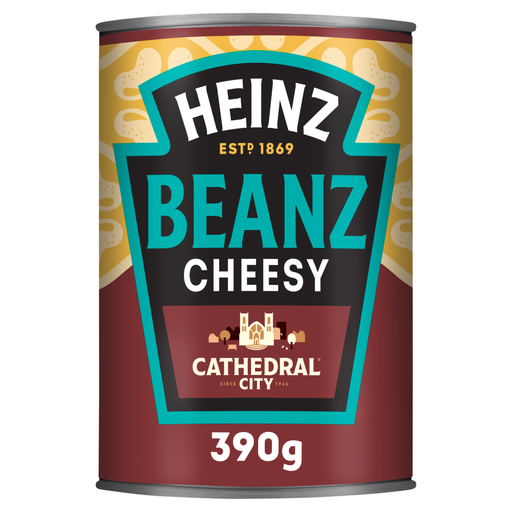
Choose this 390g cheese-containing variation if that recipe suits your dinner rather than standard tomato-sauce beans. It contains milk, so check the current ingredient and allergen declaration if milk must be avoided.
 No image available
The 220g tin is worth considering when you want a smaller amount of standard tomato-sauce beans for a meal or side. Check its pack instructions for heating and for storing any leftovers.
Yes, they can be the bean component of a simple meal such as beans on toast or a jacket potato; what else you serve determines the rest of the dinner. NHS balanced-diet guidance includes beans and pulses among protein foods and recommends higher-fibre starchy foods as a basis for meals.
Choose the recipe that matches what you want from the meal, then compare the exact tins rather than relying on their category names. Read salt and sugars per 100g and check the ingredients; NHS guidance advises adults to have no more than 6g of salt a day overall.
A smaller tin may suit a smaller serving or a side when you do not want much left over. Compare its stated weight with the amount you plan to use, and check the pack’s instructions if you open more than you need.
Follow the storage directions on that tin. The cited Marks & Spencer and Branston product pages instruct shoppers to put leftover beans in a suitable container, refrigerate them and use them within two days for those particular products.
Read the current physical pack’s ingredients and allergen declaration for the exact variant, even if you have bought it before. GOV.UK guidance says prepacked foods must clearly identify regulated allergens used as ingredients; a general dietary description is not a substitute for checking the pack.