Easter hosts stocking several meals
If beans might accompany breakfast, toast, jacket potatoes or a quick side dish, count the meals before choosing between individual cans and a multipack.


For an Easter cupboard, choose standard cans or a multipack if several breakfasts, lunches or sides are planned; a smaller can makes more sense when one portion is likely to be enough. If the recipe matters, distinguish reduced-sugar-and-salt from no-added-sugar beans, and check the exact can’s nutrition, ingredients, allergen information and storage instructions before buying.
The useful pack size and recipe depend on how many meals you expect to make and what the people eating them need to check.
If beans might accompany breakfast, toast, jacket potatoes or a quick side dish, count the meals before choosing between individual cans and a multipack.
If sugar or salt content affects the choice, compare the per-100g figures on the exact cans. A reduced-sugar-and-salt claim and a no-added-sugar claim answer different questions.
A smaller can may leave less after a one-person meal. Anyone checking dietary suitability needs the ingredients and allergen statement for the particular product, not an assumption based on its category.
Start with the meals and portions you have planned, then compare recipes and pack instructions for the cans that fit.
| Priority | What to check | Your needs |
|---|---|---|
| Pack quantity | Check the weight of each can and the number of cans in a multipack. Match the quantity to meals you expect to make. | Several people may want beans over Easter, so I need enough cans without committing to more than we are likely to use. |
| Recipe claims | Read what a reduced-sugar-and-salt claim is compared with, then check nutrition per 100g. For no-added-sugar beans, read the ingredients too: Tesco’s listed 220g recipe contains steviol glycosides. | If avoiding added sugar matters to me, that does not automatically mean I am choosing a reduced-salt recipe. |
| Nutrition label | Compare the sugar, salt and fibre figures per 100g on the exact products you are considering. Recipes need not have the same figures. | I want to compare what is in each recipe rather than treating all standard or reduced versions as interchangeable. |
| Portions and leftovers | Check whether one can fits the meal and read its instructions for storing any remainder. Waitrose & Partners tells shoppers to transfer opened Essential beans to a non-metallic container, cover, refrigerate and use within 2 days. | When only one person is eating, a smaller can could mean fewer leftovers to plan around. |
| Ingredients and allergens | Read the current ingredients and allergen statement on the exact pack, especially after a substitution. GOV.UK guidance says required allergens are emphasised in the ingredients list of pre-packed food. | Someone eating with us needs an allergy check, so I cannot rely on a vegetarian or vegan description alone. |
Waitrose Essential’s reduced recipe states 30% less sugar and 30% less salt than its regular Essential beans. Tesco’s no-added-sugar 220g recipe contains a sweetener; that claim does not itself describe its salt content.
Check the claim’s named comparison, the per-100g nutrition and the ingredient list before choosing a recipe.
The M&S standard baked-bean product is described as vegan and vegetarian, but its product information also says it is not suitable for people with milk or egg allergy.
Read the current pack’s ingredients and allergy statement for everyone who will eat it, particularly if your planned product has been substituted.
Opened-bean storage instructions vary by product. Waitrose & Partners specifies a covered, refrigerated non-metallic container and use within 2 days for its checked Essential beans.
Choose a can that fits the meal, or plan when you will use any leftovers within that product’s stated period.
These examples show why it is worth comparing particular recipes and formats rather than relying on a brand name alone.
A branded baked-bean option for shoppers considering a familiar standard recipe alongside other cupboard cans.
Tesco lists standard own-label beans and a 220g no-added-sugar option.
Sainsbury's lists a standard own-label 400g baked-bean can.
The Essential range includes standard baked beans and a reduced-sugar-and-salt recipe.
M&S offers a standard baked-bean product and a smaller Only 7 Ingredients option.
These options cover standard multipacks, a reduced-sugar-and-salt multipack and a smaller standard can for different Easter meal plans.
 No image available
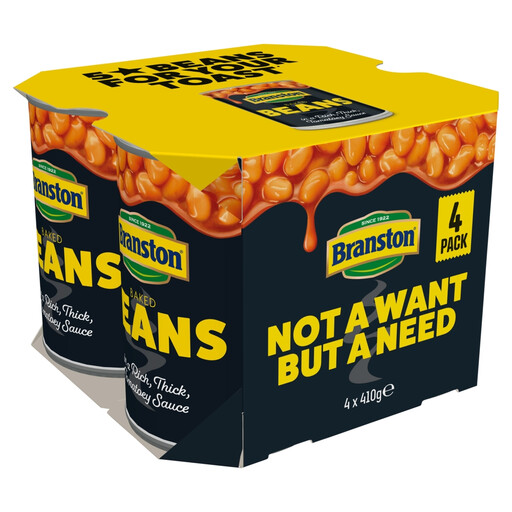
This four-can pack suits a plan involving several meals when reducing both sugar and salt is the recipe priority. Branston states that it contains 30% less of each than standard Branston beans, not than every standard recipe; its listed ingredients include steviol glycosides. Check the current pack for ingredients, allergens and instructions for leftovers.
 No image available
Six standard-recipe cans fit a household expecting to make several bean dishes over Easter; consider how many cans you will use before choosing this quantity. The product information includes ingredients and per-100g nutrition, with opened contents to be refrigerated and used within 2 days. Check the current pack if allergens matter.
 No image available
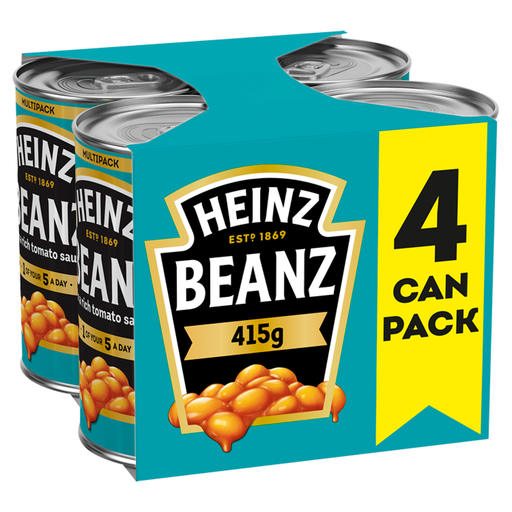
This standard-recipe four-pack is an option when several meals are planned but a six-can pack would be more than you expect to use. Its product information includes per-100g nutrition and ingredients, plus hob and microwave preparation directions. Follow the pack’s instructions for refrigerating and using leftovers.
 No image available
Four standard-recipe cans offer another quantity for households planning repeated bean meals. The product information includes ingredients, per-100g nutrition, heating directions and post-opening storage guidance. If fibre or allergens are deciding factors, compare the figures and statements on the current pack.
 No image available
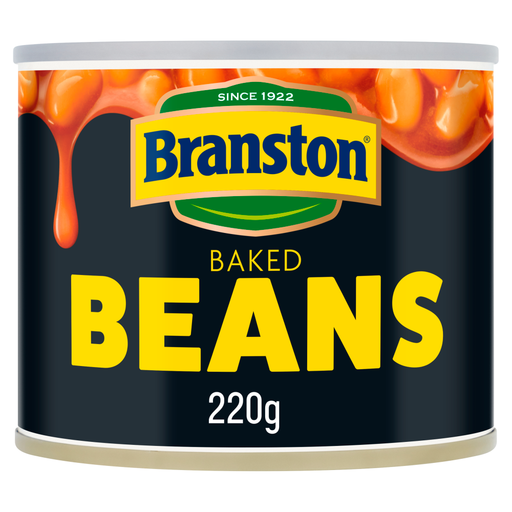
The single 220g can fits a smaller meal plan when opening one of the larger multipack cans could leave unwanted beans. Product information includes ingredients, allergen information, per-100g nutrition and storage directions. Check whether 220g is enough for the portion you intend to serve.
Choose according to the recipe you want, then compare the per-100g labels on the cans under consideration. Waitrose & Partners states that its reduced Essential beans contain 30% less sugar and 30% less salt than its regular Essential beans; that is not a comparison with every standard recipe.
Follow the period on the exact pack. Waitrose & Partners instructs shoppers to transfer opened Essential beans to a non-metallic container, cover and refrigerate them, then use them within 2 days. Do not apply that period to a different product without checking its instructions.
Transfer the beans to a microwave-safe container rather than heating them in the can, and follow the specific pack’s heating and stirring instructions.
Check the current pack’s ingredients and allergen statement for the exact product, including any substitute. GOV.UK guidance says required allergens are emphasised in the ingredients list of pre-packed food. A vegetarian or vegan description does not replace that check: the M&S standard baked-bean product states it is not suitable for people with milk or egg allergy.