What should you check?
Decide whether ordinary beans are appropriate for the person eating them before comparing recipes, pack sizes and preparation instructions.
| Priority | What to check | Your needs |
|---|
| Served texture |
Consider the beans, sauce and accompaniments together when served. For a prescribed texture, follow the individual recommendation; the International Dysphagia Diet Standardisation Initiative says food testing should reflect intended serving conditions. |
I want a meal I can chew and swallow comfortably. If there are swallowing problems or increased choking risk, an ordinary tin’s “tender” description is not enough to choose it. |
| Sugars and salt |
Compare sugars and salt per 100g on the current labels, including for no-added-sugar or reduced variants. Check the serving amount separately rather than treating a per-100g figure as the whole meal. |
When choosing between recipes, I want to see how their stated sugars and salt compare on the same basis. |
| Can size and leftovers |
Match a 200g–220g can or a larger tin to likely use. Follow the exact product’s instructions for heating and storing any opened contents; Waitrose & Partners instructs shoppers to refrigerate its Essential 420g beans after opening and use them within two days. |
A smaller can may suit one meal; if I open a larger tin, I need a plan for the remainder. |
| Ingredients and allergies |
Read the current pack’s ingredients and product-specific allergy statement. Do not use a vegan or vegetarian description as a substitute for that check. |
If an ingredient or allergy statement matters in my household, I need to check the exact can I will serve. |
Baked-bean options on Joybuy
These options cover standard baked beans, a reduced sugar and salt recipe, a smaller can and a cheese variation. Choose among them only after deciding whether ordinary beans are suitable for the person eating the meal.
 No image available
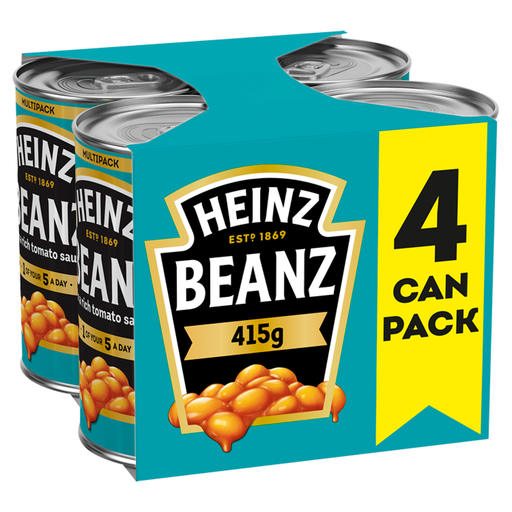
Heinz Baked Beans in Tomato Sauce 4 x 415g
A four-tin option for cupboard meals when ordinary beans are safe for the person eating them. Heinz describes the beans as tender, but assess the whole meal as served rather than treating that wording as a prescribed-texture classification.
View on Joybuy
 No image available
Branston Reduced Sugar & Salt Baked Beans 4 x 410g
This four-tin recipe gives shoppers who safely eat ordinary beans a reduced sugar and salt option to compare. Check the current pack’s figures against standard Branston beans and other recipes; the reduced label does not establish a suitable served texture.
View on Joybuy
 No image available
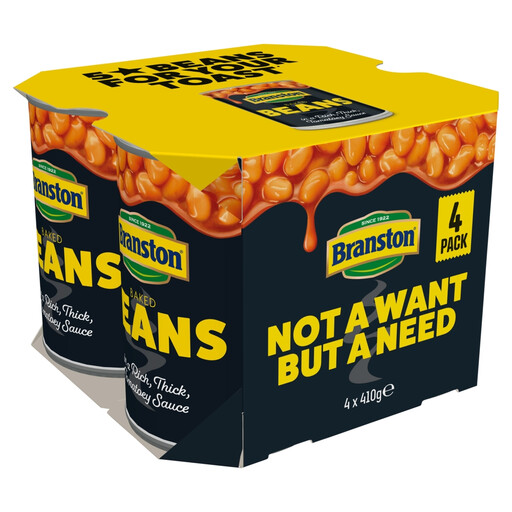
Branston Baked Beans 4 x 410g
A four-tin standard baked-bean option for meals where ordinary beans are appropriate. If sugars or salt matter to your choice, compare its current label with the reduced recipe; check the served texture for the person eating it.
View on Joybuy
 No image available
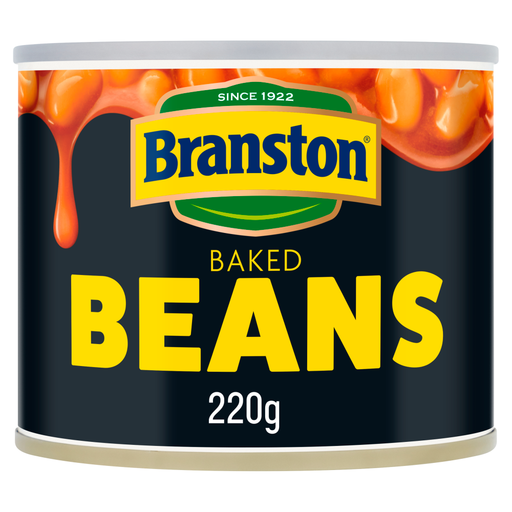
Branston Baked Beans in Tomato Sauce 220g
The 220g can offers a smaller pack when a larger tin would leave more to store. Follow the can’s preparation instructions and check whether the beans and sauce are manageable as served.
View on Joybuy
 No image available
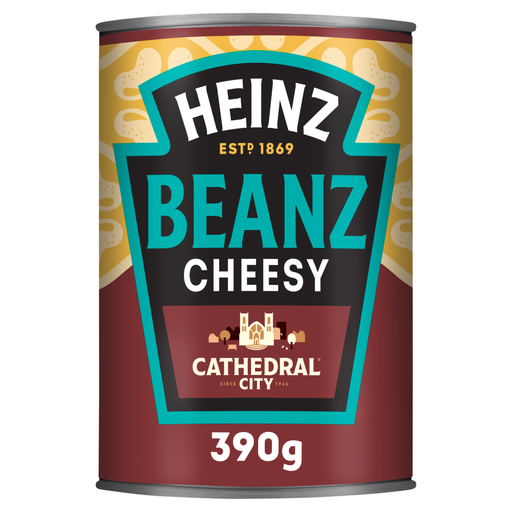
Heinz Beanz Cheezy 390g
A cheese-flavoured baked-bean variation in a 390g can for someone who safely manages ordinary beans. Its product information identifies milk, so check the current pack carefully if milk must be avoided; the recipe name does not establish texture suitability.
View on Joybuy
Questions about choosing and serving
Are canned baked beans suitable for anyone who needs easy-chew food?
No. Ordinary beans may suit someone who can safely manage soft, tender food, but the International Dysphagia Diet Standardisation Initiative says its Regular Easy to Chew level is not for people with swallowing problems or increased choking risk. If eating brings on coughing or choking, seek clinical advice rather than relying on a standard tin.
Does “tender beans” mean a tin meets a prescribed texture level?
No. A tenderness description is not a product-specific texture assessment. The International Dysphagia Diet Standardisation Initiative says food should be tested under its intended serving conditions; follow the individual clinician’s recommendation when a texture level has been prescribed.
How do I compare standard and no-added-sugar beans?
Read both products’ current nutrition panels per 100g, comparing sugars and salt separately. Then consider the amount you will serve: “no added sugar” does not, by itself, tell you the salt value or the nutrition for the whole meal.
How long can I keep beans after opening a tin?
Follow the exact product’s storage instructions rather than assuming every tin has the same timeframe. Waitrose & Partners instructs shoppers to transfer unused Essential 420g baked beans to a covered non-metal container, refrigerate them and use them within two days.
Should I check allergens on a vegan or vegetarian bean product?
Yes. Read the current pack’s ingredients and product-specific allergy statement. The Marks & Spencer standard baked-beans page, for example, describes the product as vegan and vegetarian while also cautioning that it is not suitable for people with milk or egg allergy.


