Households keeping simple cupboard meals
If beans are a regular option on toast, with a jacket potato or alongside breakfast, check whether a can provides the number of servings you normally use.


For a retirement cupboard, choose the recipe and pack size around how you will eat the beans: compare salt and sugars on the nutrition panel if those matter to you, and consider a smaller tin if you rarely use a second serving. A full-size can or multipack may suit households that use beans regularly, but check the portion and the instructions for storing any leftovers.
If beans are a regular option on toast, with a jacket potato or alongside breakfast, check whether a can provides the number of servings you normally use.
Compare figures per 100g and for the portion you will eat. According to the NHS, adults should have no more than 6g of salt a day, including salt already in food and added during cooking or at the table.
A 200g to 220g pot or tin may fit one meal more closely than a full-size can if you seldom use opened beans for a second meal.
Start with the recipe, then match the stated servings and storage instructions to the meals you actually make.
| Priority | What to check | Your needs |
|---|---|---|
| Salt and sugars | Read both figures per 100g and calculate them for your intended portion. Check the ingredients if you avoid sweeteners; a no-added-sugar claim does not mean sugar-free. | Beans are often part of my meal, so I want to compare the recipe with the other foods on my plate rather than rely on a front-of-pack claim. |
| Recipe details | Compare fibre and protein using the same per-100g basis. Check dietary and allergen statements on the exact product, not just its range name. | I want to know what is in the beans I keep for a quick cupboard meal. |
| Portions and leftovers | Check net weight and stated servings. For an opened can, follow its instructions for transferring, refrigerating and using the contents. | If I usually cook for one, a smaller tin could spare me having to plan another meal around the remainder. |
| Regular cupboard use | Choose the number of cans you are likely to use and check the current recipe and pack details before making them a regular purchase. | Several cans are useful in my cupboard only if their portions and recipe suit the meals I make. |
The beans still contribute salt, as can bread, cheese or sauces served with them. Waitrose & Partners lists 1.30g of salt for half a can of its standard Heinz four-pack.
Compare the salt per 100g and per serving, then consider the other ingredients in the meal. The NHS advises adults to have no more than 6g of salt a day.
A full-size can may provide two servings. Waitrose & Partners instructs shoppers to refrigerate opened Essential Waitrose and Branston beans and use them within two days.
If you normally eat one serving, check whether a smaller format fits better; otherwise plan when you will use the remainder and follow the exact pack instructions.
Marks & Spencer states that its 220g Only 7 Ingredients Baked Beans are not suitable for people with a milk or egg allergy. A dietary label does not replace the product’s allergen statement.
Read the current label for the exact product. GOV.UK explains that UK food businesses must identify any of 14 specified allergens when they are ingredients.
These examples show why it helps to compare the exact recipe and pack size; they are separate from the Joybuy products below.
The range includes standard beans, a no-added-sugar recipe and smaller 200g snap pots.
Tesco lists a Healthy Living reduced-sugar-and-salt baked-bean four-pack.
Sainsbury's lists standard 400g and 215g cans alongside reduced-sugar-and-salt baked beans.
Asda lists Reduced Salt & No Added Sugar baked beans in a 410g can.
M&S offers Only 7 Ingredients Baked Beans in a 220g tin.
Essential Waitrose Baked Beans in Tomato Sauce come in a 420g can.
These options include a reduced-sugar-and-salt multipack, a smaller tin and standard-recipe multipacks for keeping baked beans in the cupboard.
 Image unavailable
A reduced-sugar-and-salt recipe in four full-size cans for households that use beans regularly. Check the ingredients if you avoid sweeteners; after opening, refrigerate unused contents in a suitable container and use within two days.
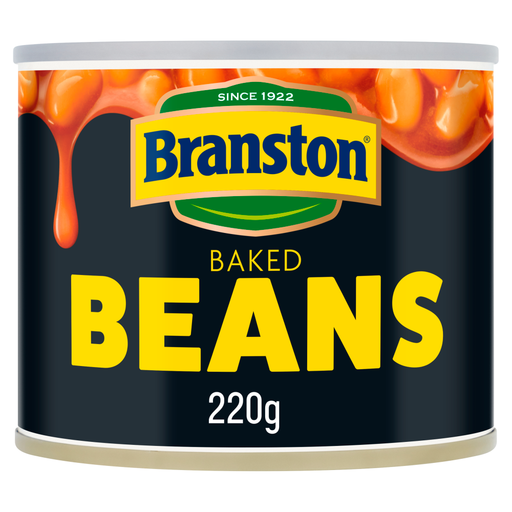 Image unavailable
The 220g tin is a smaller format to consider for a one-person meal. This is a standard recipe rather than a stated reduced-salt or no-added-sugar option, so compare its label if those distinctions matter to you.
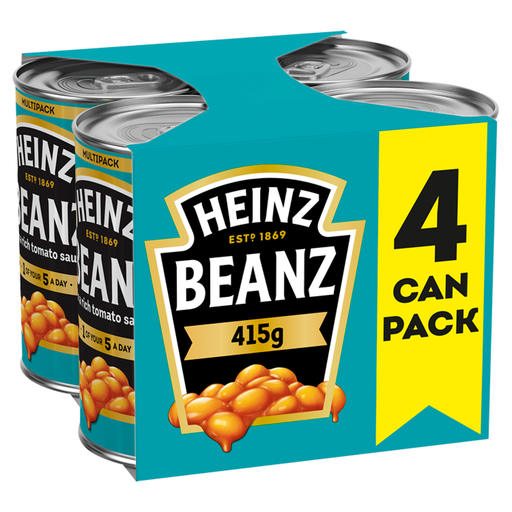 Image unavailable
Four cans of the standard Heinz tomato-sauce recipe suit a cupboard where beans are used across several meals. If you are comparing recipes for salt or sugars, check the nutrition panel and your usual portion.
 Image unavailable
This six-can pack is an option when standard baked beans are used frequently. Plan for any unused beans from an opened can to be covered, refrigerated and used within two days.
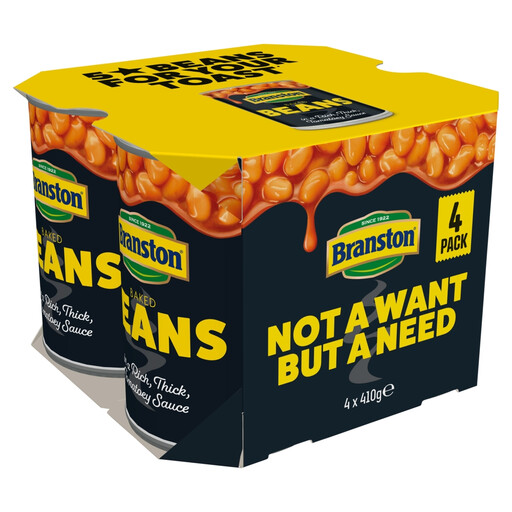 Image unavailable
A four-can pack for households keeping several servings of standard baked beans on hand. It is not presented as a reduced-salt or no-added-sugar recipe; check the label if you are comparing those options.
A reduced-salt recipe is worth comparing if the salt in your usual portion matters to your choice, but check the actual figure rather than the claim alone. For context, the NHS says adults should have no more than 6g of salt a day, including salt in the rest of their food.
No: “no added sugar” does not mean the nutrition panel will show zero sugars. Waitrose & Partners lists 1.9g sugars per 100g for Heinz No Added Sugar baked beans and describes the recipe as containing a sweetener.
Follow the instructions on the exact can or pot. Waitrose & Partners says opened Essential Waitrose beans should be transferred to a non-metallic container, covered, refrigerated and used within two days; its Branston listing also says to cover, refrigerate and use opened beans within two days.
No. Check the exact product’s current allergen statement: Marks & Spencer says its 220g Only 7 Ingredients Baked Beans are not suitable for people with a milk or egg allergy. GOV.UK explains that food businesses must identify specified allergens when they are ingredients.