Carers introducing baked beans
If a child is unsure about beans, a small, calm offer matters more than expecting them to finish a serving. The NHS advises giving small portions and not forcing a child to eat.


Start with a plain tomato-sauce tin if that is a familiar option for the child, and offer a small amount without pressure, in line with NHS advice on fussy eating. A smaller tin can leave less to store; with a larger tin, plan how you will use the remainder and compare salt, sugars and ingredients on the exact pack.
If a child is unsure about beans, a small, calm offer matters more than expecting them to finish a serving. The NHS advises giving small portions and not forcing a child to eat.
When a child may eat only a little, tin size and the instructions for storing opened beans help determine whether a smaller can or a larger one fits the next meal.
Salt and sugars figures do not tell the whole story: check the ingredients for sweeteners too. NHS guidance says children aged four years or younger should avoid foods and drinks with sweeteners or sugar.
Choose the portion you can realistically serve and store, then compare the exact recipes rather than relying on the wording on the front of a tin.
| Priority | What to check | Your needs |
|---|---|---|
| A calm first offer | Consider a plain tomato-sauce recipe. Offer a small portion without pressure; the NHS recommends both approaches for fussy eating. | I can offer a little alongside familiar food and try beans again another time if they are rejected. |
| Salt and ingredients | Compare salt and sugars per 100g, then read the ingredients. Sainsbury's lists 0.29g salt and 2.8g sugars per 100g for its Reduced Sugar & Salt beans; Waitrose & Partners lists 0.30g salt and 2.0g sugars for its Essential Reduced Salt & Sugar recipe. | For a young child, I want to check the exact recipe, including sweeteners. NHS guidance says children aged four years or younger should avoid foods and drinks with sweeteners or sugar. |
| Tin size and leftovers | Compare the tin weight with the amount you expect to serve. Check the pack's instructions for refrigerating and using any opened beans. | If only a few spoonfuls are eaten, a smaller tin may be easier to use; otherwise, I need a plan for the remainder. |
| Allergens | Read the current allergen statement on the exact can. Marks & Spencer's 400g baked-bean page says its product is not suitable for people with milk or egg allergy. | With an allergy in the household, I cannot use a vegan description as a substitute for checking the can. |
Some reduced or no-added-sugar recipes contain steviol glycosides. NHS guidance says children aged four years or younger should avoid foods and drinks with sweeteners or sugar.
Check the nutrition table and ingredients list on the exact tin, rather than choosing by its front-of-pack wording alone.
A 400–420g tin may leave a substantial remainder when a child eats only a small portion.
Check the opened-pack storage instructions before serving, and choose a smaller tin if that better fits what the household will use.
The Marks & Spencer baked-bean page describes its product as vegan but says it is not suitable for people with milk or egg allergy.
For an allergy, check the current allergen statement on the particular can.
A different flavour changes the food being offered, without establishing whether the child will accept plain beans. NHS and Berkshire Healthcare NHS Foundation Trust guidance supports small, gradual, low-pressure offers.
If beans are new, offer a little plain tomato-sauce beans beside accepted food and try again another time without pressure.
These examples show why the recipe and the current pack label matter more than a brand name alone.
Heinz has standard and No Added Sugar 415g baked-bean tins.
Sainsbury's has standard and Reduced Sugar & Salt 400g baked-bean tins.
The range includes conventional and Reduced Salt & Sugar 420g baked-bean tins.
M&S lists a 400g baked-bean tin.
Tesco Groceries lists a Tesco Organic Baked Beans in Tomato Sauce 420g single tin.
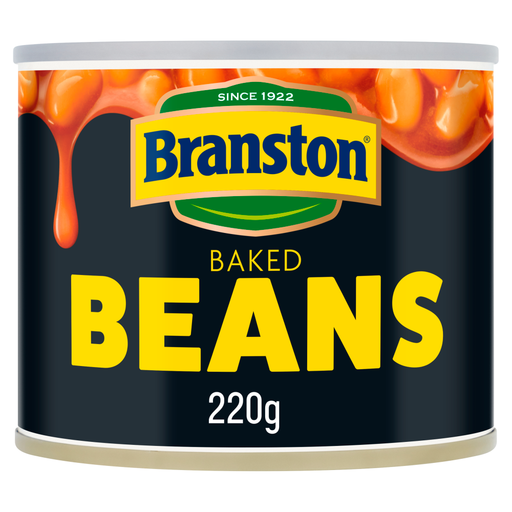
This 220g tomato-sauce tin is an option to consider when a child may eat only a small amount; plan for any beans left after opening.
 No image available
The 220g single tin contains less than the 400–420g tins discussed above, which may help with portion planning. Its product information lists 4.7g sugars and 0.60g salt per 100g; the ingredients include paprika, white pepper, spices and flavourings. Check the current pack for serving information and follow its instructions for storing any remainder after opening.
No. The NHS advises offering small portions without forcing a child to eat. If the beans are rejected, keep the meal calm and try offering them another time.
No. Check the exact ingredients as well as the nutrition table: Heinz No Added Sugar, for example, lists steviol glycosides. NHS guidance says children aged four years or younger should avoid foods and drinks with sweeteners or sugar.
Not necessarily. Tin weights vary, and a child may eat only a small amount. Check the serving information on the pack and decide how you will use any remainder before opening it.
Follow the storage and use-by instructions on the exact pack, including its directions for refrigerating opened contents. Consider whether you will use the remainder when choosing the tin size.
Yes. Check the current can's ingredients, nutrition and allergen statements, particularly when switching recipes or buying for someone with an allergy.