Regular home bread bakers
If beans often accompany your toast, rolls or loaves, compare full-size tins and multipacks against the number of people eating and how soon you will use an opened tin.


Choose a standard 400g–420g tin or multipack if you regularly serve baked beans with homemade bread and expect to use each opened tin promptly. A smaller tin suits an occasional single serving, while a reduced sugar-and-salt variant is worth comparing when those label values matter to you; check its per-100g figures and the regular product named in any reduction claim.
How often you serve beans with homemade bread helps determine whether a full-size tin, multipack or smaller can makes sense.
If beans often accompany your toast, rolls or loaves, compare full-size tins and multipacks against the number of people eating and how soon you will use an opened tin.
Check the exact tin’s per-100g and serving values when choosing between standard beans and a reduced sugar-and-salt variant. A reduction claim names a comparator; it does not describe every alternative.
A smaller tin may suit one serving or occasional use with freshly baked bread, particularly if a full-size tin would leave more beans than you expect to use after opening.
Start with the portion you expect to serve, then compare like-for-like nutrition values and the storage instructions for that exact product.
| Priority | What to check | Your needs |
|---|---|---|
| Salt and sugars | Compare both values per 100g, then check the stated serving size. For a reduced variant, identify the regular product used as its comparator. | I want to compare what I would actually serve with bread, rather than assume a reduction claim means the lowest figures among all tins. |
| Fibre and protein | Read the grams on the exact product’s nutrition panel and keep the serving basis consistent when comparing tins. | If beans are a substantial part of my bread-based meal, I want to know the labelled values for the portion I plan to eat. |
| Tin size | Check the net weight and stated servings. Decide whether a smaller tin or a 400g–420g can better matches likely use. | For an occasional slice of toast, I may prefer less left over; for shared meals, I can consider a full-size tin. |
| Storage and dates | Follow the unopened storage directions and the instructions for leftovers. GOV.UK distinguishes best-before dates, which concern quality, from use-by dates, which concern safety. | I want tins that fit my cupboard routine and a clear plan for any beans left after serving. |
| Ingredients and allergens | Read the current pack’s ingredient and allergen statements for the exact variant; do not substitute a vegan or vegetarian label for an allergy check. | If an ingredient matters to my household, I need to check the tin I am buying, including flavoured versions. |
A half-can value and a whole-small-tin value do not describe the same quantity of beans.
Compare salt and sugars per 100g first, then use the label to work out the values for the portion you expect to serve.
The cited Sainsbury’s and Waitrose product instructions require unused beans to be transferred from the tin, refrigerated and used within two days.
Choose a tin size that matches likely use, and follow the storage directions on the can you open.
The cited M&S beans are labelled vegan and vegetarian, yet their product information says they are not suitable for people with milk or egg allergy.
Check the exact pack’s allergen statement when an allergy or intolerance affects your choice.
These examples show differences between specific tins and ranges; check the label of the variant you choose.
A branded option represented here by a standard 415g tin.
A branded tomato-sauce option for comparing standard beans with other formats.
An own-label example in a 4 x 400g format for regular cupboard use.
An own-label range represented by a standard 420g tin and a smaller reduced salt-and-sugar variant.
Its cited Only 7 Ingredients beans come in a 220g single-serve tin.
These options cover reduced sugar-and-salt beans, a smaller standard tin, full-size multipacks and a cheese-containing toast topping. Match the format and ingredients to how you serve homemade bread.
 Image unavailable
A four-tin option for serving beans with bread regularly when you also want to compare salt and sugar. Branston states that this variant has 30% less of each than its standard beans; the claim does not compare it with other brands. Follow the pack’s instructions for refrigerating unused beans after opening.
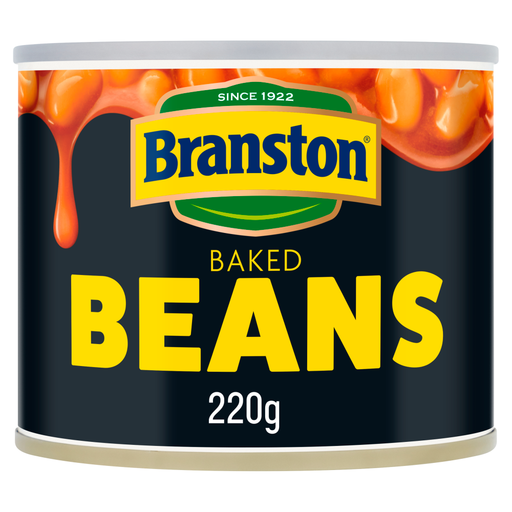 Image unavailable
This smaller tin suits an occasional serving on toast when a full-size can would leave more beans unused. Check its per-100g and per-can nutrition values for the portion you plan to serve, and refrigerate any leftovers as directed on the pack.
 Image unavailable
Four full-size tins suit households that regularly serve standard baked beans with bread. Compare the nutrition panel for this multipack’s beans and choose each tin with likely leftovers in mind; opened contents need refrigeration according to the product information.
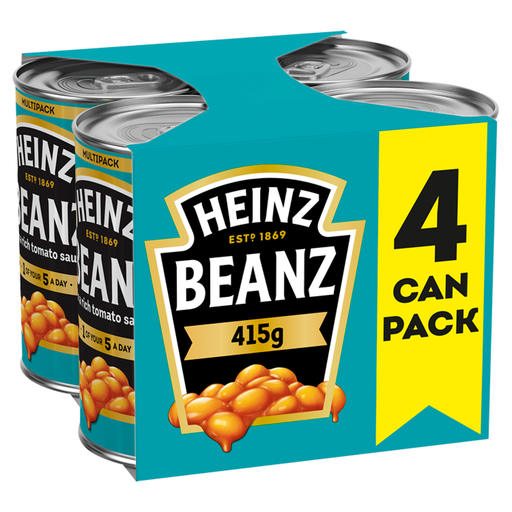 Image unavailable
This four-tin pack is another full-size format for regular or shared servings with homemade bread. Use the nutrition and ingredient information for this multipack’s exact variant, and follow its directions for transferring and refrigerating beans left after opening.
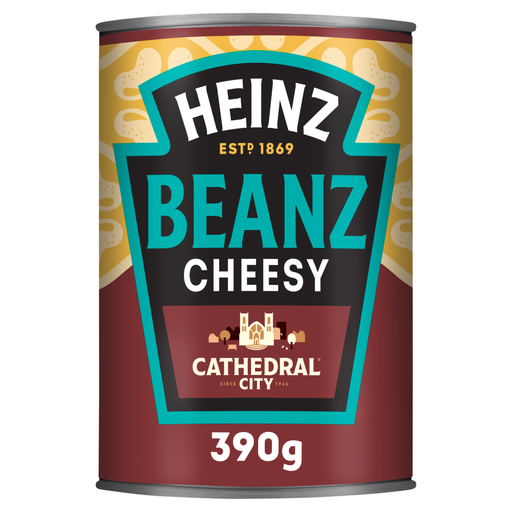 Image unavailable
A cheese-containing baked-bean option for serving on toast, rather than a plain tomato-sauce tin. This 390g variant lists milk as an allergen; check the current pack’s ingredients and storage directions before choosing it.
In this shopping context, baked beans are a ready-to-heat topping or accompaniment for bread after baking, not a substitute for a basic bread-dough ingredient.
Follow that tin’s instructions. The cited Sainsbury’s and Waitrose labels direct you to transfer unused beans to a suitable non-metallic container, refrigerate them and use them within two days.
GOV.UK says a best-before date concerns quality, whereas a use-by date concerns safety. Follow the tin’s storage instructions and check its condition; passing a best-before date does not itself mean the beans have become unsafe.
No. Waitrose & Partners states that its Essential reduced variant has 30% less sugar and salt than its regular Essential beans. Compare the actual per-100g and serving values on the tins you are considering.
No. Read the exact pack’s allergen statement: the cited M&S beans are labelled vegan and vegetarian, but their product information also says they are not suitable for people with milk or egg allergy.