For a hotel breakfast buffet with steady demand, a standard tin of around 400g–420g lets staff replenish the serving pan in smaller batches. A 150g–220g tin is worth considering when few guests are expected and opening a larger tin could leave surplus; a reduced-sugar-and-salt recipe is a separate menu choice, not a substitute for choosing the right batch size. Whichever tin you use, keep buffet allergen information accurate and control hot holding throughout service.
Who is each tin size for?
Hotels with regular breakfast turnover
When beans are a regular cooked-breakfast side, a standard tin of around 400g–420g is a starting point. Staff can open a tin as needed and replenish the serving pan in smaller batches rather than putting out all its contents at once.
Small or variable-occupancy services
A smaller tin of around 150g–220g limits how much is opened at one time. It is more relevant when breakfast numbers are uncertain or a full standard tin would be unlikely to turn over during service.
Hotels offering a specified dietary choice
A reduced-sugar-and-salt, vegan or gluten-free option needs to be checked against the exact current product label. The hotel's information for food served from the buffet must also reflect the recipe actually used.
What should you check before buying?
Choose the batch size around expected turnover, then check the recipe and the controls needed once the beans leave the tin.
| Priority | What to check | Your needs |
|---|
| Batch size |
Compare the tin's contents with the amount likely to be served before replenishment. Standard examples are around 400g–420g; smaller formats include 150g–220g tins. |
If breakfast numbers are unpredictable, I would rather open a smaller tin than leave much of a standard tin unused. |
| Recipe |
Check whether the exact tin is a standard recipe, a reduced-sugar-and-salt variant or a flavoured version. Compare nutrition information on the same per-100g basis if it affects the menu specification. |
I need to know which recipe guests will actually be offered, rather than treating different baked-bean tins as interchangeable. |
| Allergen information |
Check the current tin label or supplier specification and keep buffet information aligned with it. Food Standards Agency guidance requires allergen information for both prepacked and non-prepacked food. |
Guests need accurate information about the beans served loose from the buffet, even if a product carries a vegan or gluten-free claim. |
| Hot service |
Use suitable hot-holding equipment and monitor the food during service. Food Standards Agency catering guidance says hot food must be kept at 63°C or above. |
I need a way to replenish the pan without leaving beans on display without temperature control. |
| Unused contents |
Follow the exact product's directions for transferring, refrigerating and using contents left after opening. Keep those instructions separate from the controls for food already displayed on the buffet. |
If a tin is not fully used, I need to know which contents remain suitable to retain under our food-safety procedures. |
Buffet buying and serving pitfalls
-
Assuming the smallest tin suits every service
Small tins limit the quantity opened at once, but a busy buffet may require staff to open and replenish them more often.
Estimate how many guests are likely before each replenishment. Choose the tin size that fits that batch, rather than using one size for every occupancy level.
-
Relying on a dietary claim as the whole allergen process
A product claim applies to the specified recipe; it does not by itself tell guests about everything served from the buffet. Food Standards Agency guidance requires food businesses to provide allergen information for non-prepacked food.
Use the current tin label or supplier specification to maintain written buffet information, and make sure staff know how to handle questions they cannot answer.
-
Leaving a full pan out without service checks
Changing tin size does not control the temperature of beans on display. Food Standards Agency catering guidance says hot food must be held at 63°C or above.
Use suitable hot-holding equipment, monitor the food and replenish in smaller batches rather than mixing fresh beans into older displayed beans.
Brand and own-label references
These examples illustrate available tin sizes and product-specific checks; a brand name alone does not establish whether a recipe suits the buffet.
Heinz
Waitrose & Partners lists a 415g Heinz baked-beans tin, within the standard-size range for a regularly replenished breakfast side.
- The 415g format offers more contents per opening than a small portion tin.
- Check the exact Heinz recipe: a flavoured variation is not the same product as the standard 415g tin.
Tesco
Tesco Groceries lists own-label baked beans in both 220g and 420g standard tins.
- The two listed sizes allow a choice between smaller openings and a standard buffet batch.
- Check the current label of the chosen tin for its recipe and allergen information.
Waitrose Essential
Waitrose & Partners lists Essential baked beans in 220g and 420g tins.
- The listed sizes suit different expected batch volumes.
- Confirm ingredients and allergen information for the exact tin used in service.
Branston
Sainsbury's lists a 410g Branston baked-beans tin as a standard-size branded option.
- The 410g product page describes this specific recipe as gluten free and vegetarian friendly.
- Use the current tin label when recording dietary and allergen details for the buffet.
M&S
Marks & Spencer lists a 400g baked-beans tin, close to the other standard-size examples.
- Its product directions say to transfer unused contents to a non-metallic container and refrigerate them.
- The stated use-within period is three days after opening; follow the current pack directions and the hotel's food-safety procedures.
Joybuy single-tin options
These two single tins serve different menu decisions: a smaller tomato-sauce tin for limited batches, and a larger cheese-flavoured variation where that recipe is intended.
 No image available
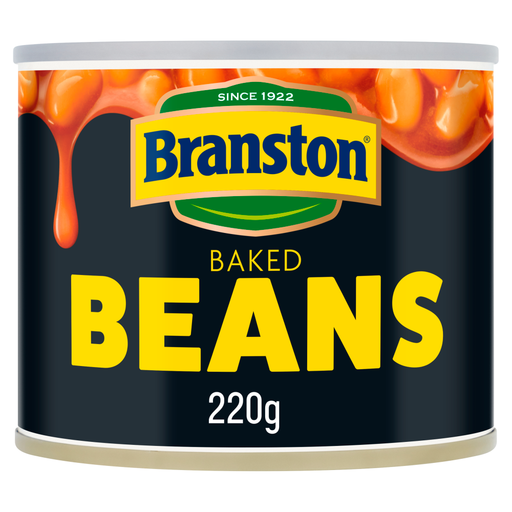
Branston Baked Beans in Tomato Sauce 220g
The 220g tin allows a smaller batch opening when breakfast demand is low or variable. A busy buffet may need more frequent openings and replenishment; check the current tin label for allergen and storage instructions.
View on Joybuy
 No image available
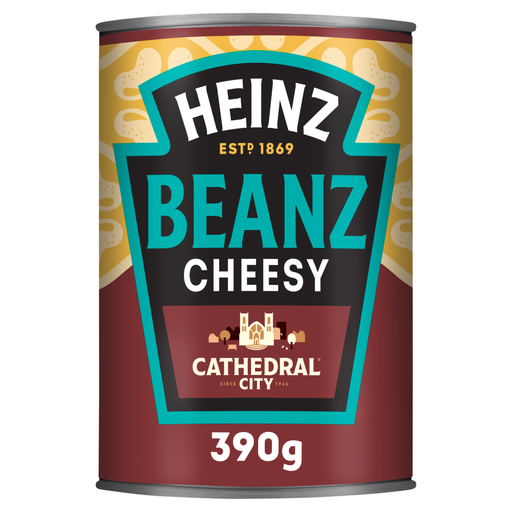
Heinz Beanz Cheezy 390g
This 390g cheese-flavoured variation is a different menu choice from standard tomato-sauce beans. The product information states that it contains milk; check the current pack and reflect its recipe in the buffet's allergen information.
View on Joybuy
Frequently asked questions
What tin size works for a regular hotel breakfast buffet?
A standard tin of around 400g–420g is a starting point when beans turn over regularly; replenish the serving pan in smaller batches. Consider a 150g–220g tin when low or uncertain occupancy makes a larger opening likely to leave surplus.
Does an open buffet need allergen information for its baked beans?
Yes. Food Standards Agency guidance says food businesses must provide allergen information for non-prepacked food as well as prepacked food. Keep information for the beans served at the buffet aligned with the current recipe and make it available to guests.
How should baked beans be held hot on the buffet?
Food Standards Agency catering guidance says hot food must be kept at 63°C or above. Use suitable hot-holding equipment, monitor the beans during service and replenish in smaller batches rather than adding fresh beans to older displayed food.
What should staff do with beans left after opening a tin?
Follow the exact tin's storage directions and the hotel's food-safety procedures; directions for unused contents do not replace controls for beans already displayed on a buffet. Waitrose & Partners lists a two-day refrigerated use-within period for its Heinz 415g product, while Marks & Spencer says to transfer unused contents of its 400g product to a non-metallic container, refrigerate them and eat them within three days.


