Regular baked-bean shoppers
If beans often accompany toast, jacket potatoes or a quick side dish, decide whether you will use every tin in a multipack. Compare the number and size of tins, not just the size of the outer pack.


For regular dinners, a multipack of standard tins makes sense if you will use them all; a single tin means fewer tins to store, while a 220g tin may leave less behind after a smaller meal. If you prefer a particular recipe or need specific dietary labelling, check the exact product rather than assuming that all baked beans have the same ingredients, allergens or nutrition.
If beans often accompany toast, jacket potatoes or a quick side dish, decide whether you will use every tin in a multipack. Compare the number and size of tins, not just the size of the outer pack.
A smaller tin can suit a meal that needs less than a standard tin. If you choose a larger tin, plan when you will use the remainder and follow its refrigerated storage instructions.
Compare salt and sugars per 100g on the exact products you are considering. Check ingredients, allergen statements and any vegan or gluten-free claims on that product too.
Start with the amount you will use for dinner, then compare labels and decide what you would do with any beans left after opening.
| Priority | What to check | Your needs |
|---|---|---|
| Pack size | Check each tin’s weight and the number of tins. A multipack and a single tin provide different quantities even when the tins look similar. | Beans feature in several of my meals, so I can use a pack of standard tins; otherwise, I would rather keep fewer tins. |
| Salt and sugars | Compare figures per 100g on the current labels. The Essential Waitrose 420g listing, for example, states 0.49g salt and 3.4g sugars per 100g, according to Waitrose & Partners. | I want to compare recipes using the same label measure, rather than assuming every tomato-sauce version is alike. |
| Portion and leftovers | Check whether a standard tin suits the meal or whether a 220g tin is enough. Read the opened-tin storage and use-within instructions. | Cooking for one, I may prefer a smaller tin if I have no plan for the rest of a standard one. |
| Dietary details | Read the exact product’s ingredients, allergen statement and dietary claims. A vegan label does not replace an allergy check. | For an allergy or a specific dietary requirement, I need the wording on the tin I am buying, not an assumption about the brand. |
Salt, sugars and dietary statements differ between products. Marks & Spencer labels its examined baked beans vegan and vegetarian but also says they are not suitable for people with milk or egg allergies.
Read the current tin’s nutrition, ingredients and allergen information, especially when switching recipes or pack formats.
An opened standard tin needs a plan for the remainder. The Marks & Spencer 220g Only 7 Ingredients product instructs customers to refrigerate it after opening and eat it within two days.
Choose a portion size you can use, or transfer leftovers from an opened tin to a suitable container and follow that product’s storage instructions.
For tinned foods such as baked beans, GOV.UK describes a best-before date as a measure of quality, not the same thing as a use-by date.
Check which date appears on the tin and follow its storage instructions, particularly after opening.
These examples show why the exact tin and pack format matter; a brand name alone does not tell you its portion size or full label details.
The Heinz baked beans listed by Waitrose & Partners come in a standard 415g tin.
Tesco lists its standard baked beans in a 4 × 420g pack, alongside a reduced-sugar-and-salt variant.
The Essential Baked Beans in Tomato Sauce listing describes a single 420g tin.
Marks & Spencer lists both a standard 400g baked-beans product and a 220g Only 7 Ingredients tin.
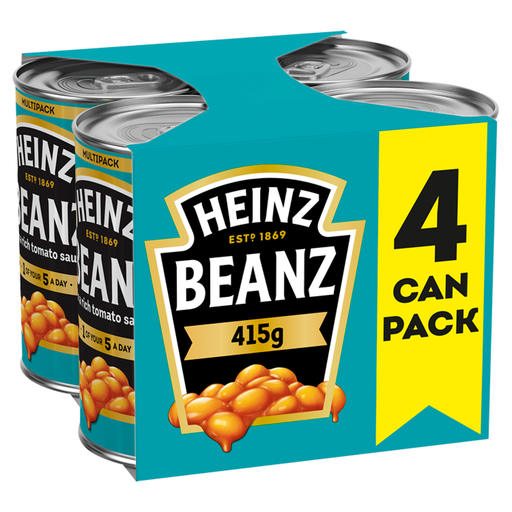
These baked beans in tomato sauce include standard-tin multipacks and a smaller single tin for different dinner plans. Compare the current product labels and choose a quantity you expect to use.
 No image available
Four standard tins suit dinners planned across several occasions. Check the current label for per-100g nutrition and instructions for storing any beans left after opening.
 No image available
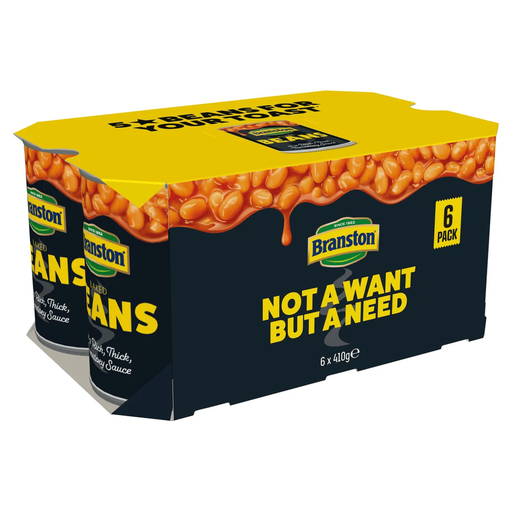
Six tins provide a larger cupboard supply for repeated meals. Check that the pack quantity suits your plans, along with the per-100g nutrition and opened-tin instructions.
 No image available
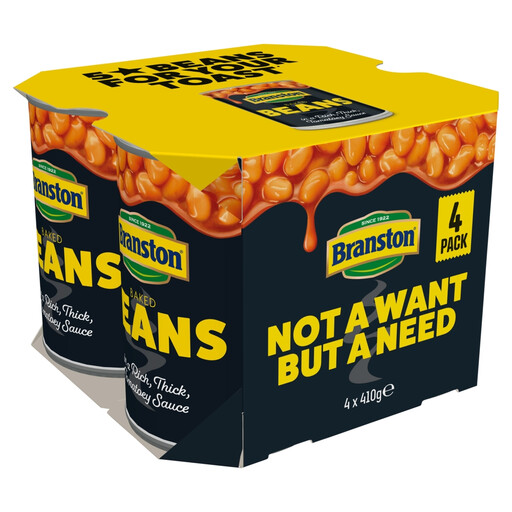
Four 410g tins offer a standard-size multipack for meals spread over time. Read the current per-100g label and storage guidance for the exact product.
 No image available
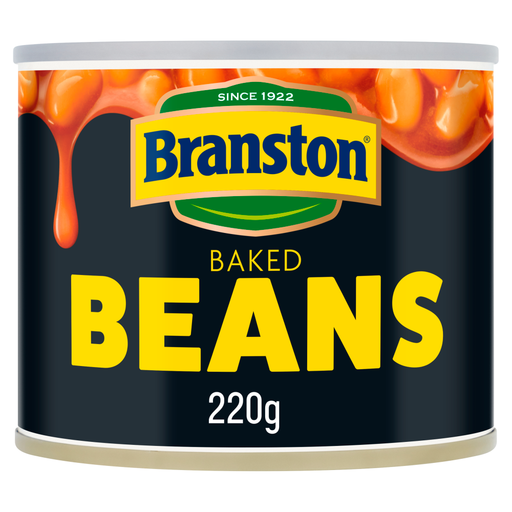
The 220g tin may fit a smaller dinner when a standard tin would leave more beans unused. Check its nutrition and storage instructions on the current label.
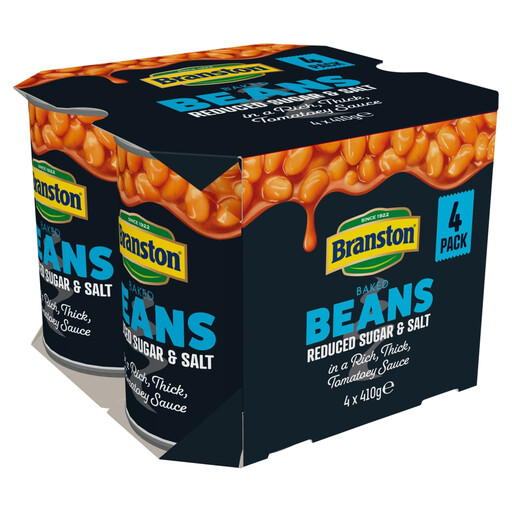 No image available
This four-tin variant is labelled reduced sugar and salt. Compare its current per-100g figures with any other recipe you are considering, and follow its opened-tin storage instructions.
Yes, if the portion and other food in the meal suit what you are making. For example, the NHS has a beans-on-toast recipe using a 420g tin of reduced-salt and reduced-sugar baked beans with wholemeal bread; check the label of the beans you choose.
Choose a multipack if baked beans feature in several planned meals and you can store the unopened tins. A single tin keeps the quantity smaller; for a small meal, a 220g tin may also mean fewer opened leftovers.
Do not assume either claim applies to every product. The Heinz tin listed by Waitrose & Partners is labelled suitable for vegans and gluten-free, while its Essential tin is labelled suitable for vegans. Check the exact tin for dietary claims and allergens; Marks & Spencer says its examined vegan baked beans are not suitable for people with milk or egg allergies.
Follow that tin’s storage and use-within instructions, transferring the remainder to a suitable container when directed. For example, the Marks & Spencer 220g Only 7 Ingredients baked beans instruct customers to refrigerate after opening and eat within two days.
A best-before date concerns quality rather than being the same as a use-by date. GOV.UK says tinned foods such as baked beans are usually safe after their best-before date, though quality may change; follow the tin’s storage instructions and do not use food that shows signs of spoilage.