Older adults eating alone
A smaller tin may suit someone likely to finish it at one meal. Sainsbury’s lists a 215g tin as one serving, while Waitrose & Partners lists a Heinz 200g single-serve tin; appetite and the rest of the meal still matter.


For an older adult eating alone, a 200g to 220g tin may be easier to finish at one meal than a 410g or 415g tin; a larger tin makes more sense when it will be shared or the remainder stored as directed. Check salt, protein and fibre for the amount likely to be eaten, rather than comparing a small tin’s whole-can figures with a larger tin’s half-can figures. Any prescribed diet or swallowing plan takes priority over pack size and label claims.
A smaller tin may suit someone likely to finish it at one meal. Sainsbury’s lists a 215g tin as one serving, while Waitrose & Partners lists a Heinz 200g single-serve tin; appetite and the rest of the meal still matter.
Compare salt for the whole tin or the portion actually eaten. NHS guidance gives a general adult maximum of 6g salt a day, but an individually prescribed limit may differ.
Pack size, labelled nutrition and leftover storage all affect whether a tin is practical. If the person has swallowing difficulties or a prescribed diet, follow their individual professional advice rather than relying on the beans’ appearance or nutrition claims.
Start with the portion likely to be eaten, then compare nutrition on that same basis and check any ingredients or serving requirements that matter to the person.
| Priority | What to check | Your needs |
|---|---|---|
| Portion size | Check net weight and labelled servings. Sainsbury’s lists its 215g reduced-sugar-and-salt tin as one serving; Tesco lists 220g tins, while Tesco Groceries gives nutrition for standard Heinz 415g beans per half can. | If I am eating alone, will I finish a small tin, or would I need to plan for leftovers from a larger one? |
| Salt | Compare grams for the portion eaten, not just a reduction claim. Sainsbury’s lists 0.72g per 215g reduced tin; Waitrose & Partners lists 0.80g per Heinz 200g no-added-sugar tin. NHS guidance gives a general adult maximum of 6g a day. | I want to know how this portion fits with the other foods eaten that day and any salt limit prescribed for the person. |
| Protein and fibre | Use figures for the same portion size. Sainsbury’s lists 9g protein per 215g reduced tin; Tesco Groceries lists 10g protein and 8g fibre per half can of standard Heinz 415g beans. Check the chosen pack for its own values. | How much will the portion contribute alongside the rest of the meal? NHS guidance describes beans and other pulses as sources of protein and fibre within a varied diet. |
| Recipe and ingredients | Check what a reduced-sugar-and-salt or no-added-sugar claim compares with, as well as the ingredient list. Sainsbury’s compares its 215g reduced tin with its standard beans; the listed recipe contains stevia-derived sweetener. | If sweetener or a particular recipe matters to me, I need the actual pack details, not just the claim on the front. |
| Swallowing needs | Check the person’s individual texture instructions before serving. The British Dietetic Association advises referral for individualised advice where dysphagia is suspected; beans in sauce do not establish suitability for a modified-texture plan. | Where swallowing is difficult, I need to follow the speech-and-language therapist’s or dietitian’s plan before choosing or preparing the food. |
Tesco Groceries gives nutrition for standard Heinz 415g beans per half can, whereas Sainsbury’s labels its 215g reduced tin as one serving. Finishing a larger tin changes the amount consumed from the amount shown for a half-can portion.
Choose a size that matches appetite. If some beans will remain, plan to share the tin or follow its storage instructions.
A larger opened tin also requires space and time to store and use the remainder.
Sainsbury’s lists 0.72g salt per 215g reduced-sugar-and-salt tin, and Waitrose & Partners lists 0.80g per Heinz 200g no-added-sugar tin. Those claims do not establish suitability for an individual salt-restricted diet.
Read salt per portion and follow any prescribed dietary plan. The NHS 6g daily maximum is general adult guidance, not an individual prescription.
The NHS identifies beans and other pulses as sources of protein and fibre, but places them within a varied diet.
Consider the whole meal and the person’s appetite and dietary instructions, rather than choosing a tin on one nutrient claim alone.
The appearance of a food cannot establish that it meets someone’s required texture. British Dietetic Association guidance calls for individualised advice when dysphagia is suspected.
For known or suspected swallowing difficulties, follow the person’s speech-and-language therapist or dietitian advice on whether and how to serve it.
These examples illustrate pack and label differences in UK listings; they are not a list of products available from Joybuy.
A 200g no-added-sugar single-serve tin and a standard 415g tin appear in the cited retailer listings.
Its listed 215g reduced-sugar-and-salt baked beans are labelled as one serving.
Tesco Groceries lists both standard and reduced-sugar-and-salt baked beans in 220g tins.
Waitrose & Partners lists Essential Reduced Salt & Sugar Baked Beans in Tomato Sauce in a 420g tin.
UK listings include a standard 220g format and a 410g reduced-sugar-and-salt format.
These Joybuy options include a smaller 220g standard tin and multipacks of 410g tins for sharing or managing leftovers. The larger reduced-sugar-and-salt multipack is not a small single-person tin.
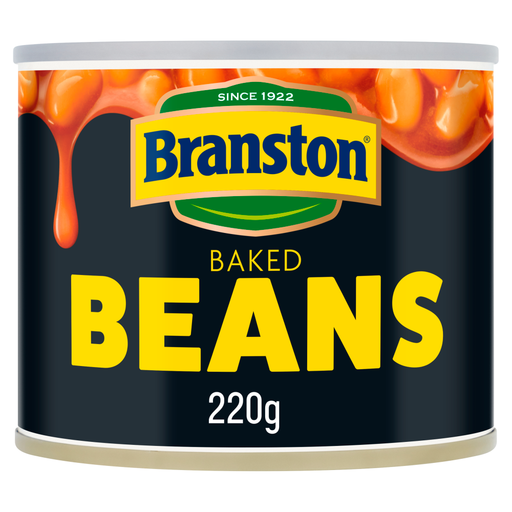 Image unavailable
The 220g tin is a smaller-format option when one person may finish it at a meal. It is a standard recipe; check its label for salt, protein and fibre for the amount to be eaten.
 Image unavailable
Each 410g tin suits a meal where the beans will be shared or the remainder stored as directed, rather than an assumed one-person portion. Joybuy lists 0.79g salt and 10.2g protein per half-can serving for this multipack; the recipe includes steviol glycosides.
 Image unavailable
Each 410g tin calls for portion planning if one person will not finish it. This standard-recipe multipack gives nutrition per half-can serving; use that serving basis when reading its label, and follow the pack’s directions for any leftovers.
No: read the salt figure for the amount that will be eaten. Sainsbury’s lists 0.72g per 215g reduced tin, while Waitrose & Partners lists 0.80g per Heinz 200g no-added-sugar tin. The NHS general adult maximum is 6g salt a day; follow an individual prescribed limit where one applies.
A 200g to 220g tin may be more practical when the person is likely to finish it at one meal and would otherwise need to store leftovers. Sainsbury’s labels its 215g tin as one serving; Tesco Groceries presents nutrition for standard Heinz 415g beans per half can. Appetite and the rest of the meal still determine the portion.
Follow the specific pack’s storage instructions. The listed Sainsbury’s 215g and Heinz 200g products direct users to transfer unused contents to a suitable container, refrigerate them and use them within two days; check the tin you actually open for its directions.
Do not assume that beans in sauce meet an individual’s texture requirements. For suspected dysphagia, British Dietetic Association guidance calls for individualised advice; follow the person’s speech-and-language therapist or dietitian plan on whether and how to serve them.
For tinned foods such as baked beans, GOV.UK explains that a best-before date relates to quality: food is usually safe after that date but may not be of the same quality. Continue to follow the product’s storage directions, including its instructions after opening.