One-person picnic planners
A 200g to 220g tin may fit a planned individual portion without leaving much to store. The meal still needs suitable preparation and transport.


For a planned one-person picnic lunch, a 200g to 220g tin makes it easier to use the contents without leftovers; choose larger tins or multipacks when you are sharing or have a plan for anything left after opening. Compare sugar, salt and ingredients on the current pack if the recipe matters to you. An unopened tin can stay in the cupboard, but prepared food and picnic foods normally kept in the fridge need a plan to keep them cool.
Start with the number of people eating and what you can do with an opened tin afterwards.
A 200g to 220g tin may fit a planned individual portion without leaving much to store. The meal still needs suitable preparation and transport.
A larger tin or multipack can serve a shared meal. Decide before leaving how you will keep prepared food cool and handle any unused beans.
If sugar, salt or ingredients affect your choice, compare the current labels rather than relying on the brand or a single front-of-pack description.
Choose a portion size first, then check the recipe and how the lunch will be handled outdoors.
| Priority | What to check | Your needs |
|---|---|---|
| Portion size | Compare the amount in each tin with the number eating. Check the pack instructions for storing unused contents after opening. | For lunch on my own, I would rather plan around a 200g to 220g tin than open a larger one without a leftover plan. |
| Sugar and salt | Read both values per 100g and per serving, noting the stated serving size. Check what a reduced-sugar or reduced-salt claim is compared with. | I want a recipe that fits my shopping priorities, without assuming that ‘no added sugar’ also means less salt. |
| Picnic storage | Plan how prepared food and anything normally refrigerated will stay cool. The Food Standards Agency advises using a cool bag or box with ice or frozen gel packs for foods normally kept in the fridge. | If I prepare the beans before leaving or serve them with chilled foods, I need a way to keep the lunch cool until it is eaten. |
| Ingredients and allergens | Read the current ingredient list and allergen statement for each product. A dietary description does not replace an allergy check. | When others are sharing the picnic, I need to check the actual packs against their dietary and allergy requirements. |
Opening or preparing the beans changes the plan, and accompanying foods that normally need refrigeration still need to be kept cool.
Use a cool bag or box with ice or frozen gel packs for chilled picnic food. The Food Standards Agency warns that food held at 8°C or above for four hours or more may become unsafe; in extremely hot weather, its guidance says to use food within two hours.
Unused contents need storage after opening, and the period stated on the pack differs between products.
Consider a 200g to 220g tin for a planned individual portion. With a larger tin, follow its instructions for transferring, covering and refrigerating leftovers.
If you cannot refrigerate and use the remainder as directed, some of the tin may go to waste.
Sugar and salt are separate nutrition values; reduced recipes can also differ in their ingredients.
Compare both values for the portion you expect to eat, and read the ingredient list if sweeteners affect your choice.
Marks & Spencer states that its cited 220g Only 7 Ingredients baked beans are not suitable for people with milk or egg allergy.
Check the current allergen statement on every pack used for a shared picnic, even when its ingredient list looks short.
These examples illustrate pack sizes and recipe differences; check the particular product label when choosing.
The cited range includes standard baked beans in 200g tins sold as a four-pack.
The cited no-added-sugar own-label beans come as four 420g tins.
Its cited range includes a 215g own-label tin, 400g standard tins and a reduced-sugar-and-salt option.
The cited own-label reduced-salt, no-added-sugar recipe comes in a 410g tin.
The cited choices include a 220g Only 7 Ingredients tin and a 400g baked-bean tin.
The cited Essential Reduced Salt & Sugar baked beans come in a 220g tin.
These options include a smaller tin for a planned individual portion and multipacks to consider for sharing or meals across several days. Choose by tin size and recipe, then plan how you will handle any opened contents at the picnic.
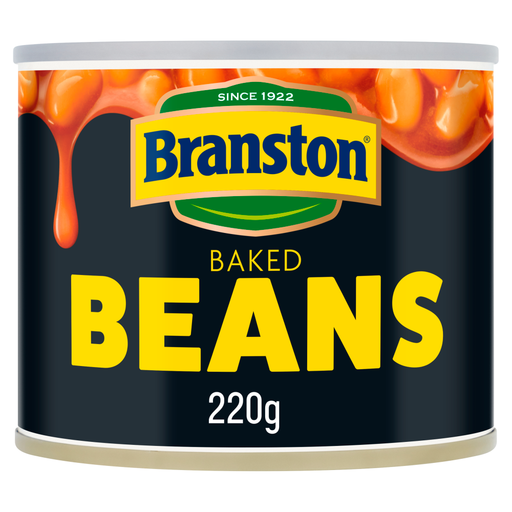 No image available
The 220g tin is a size to consider for a planned one-person lunch. Check the pack’s instructions and refrigerate any unused contents as directed.
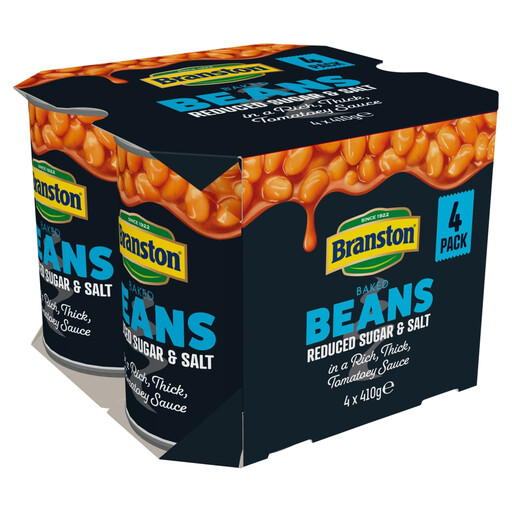 No image available
This four-tin pack is worth considering when several people will share the beans or you have meals planned for the remaining tins. Compare the current sugar and salt values per serving, and plan to refrigerate any opened-tin leftovers.
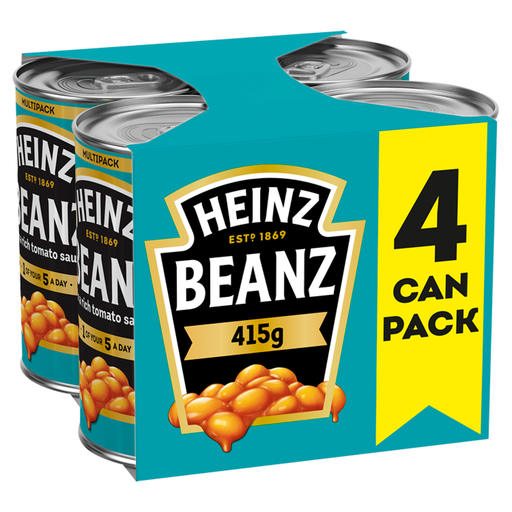 No image available
Four separate 415g tins can be used across planned meals or opened for a shared lunch. A single tin is larger than the small-tin options, so decide how you will store anything left after serving.
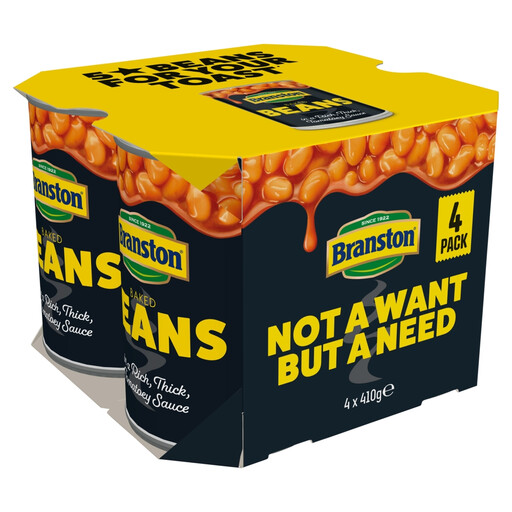 No image available
The four 410g tins fit a plan to share beans or use separate tins for later meals. If a tin is opened at the picnic, follow its instructions for refrigerating unused contents.
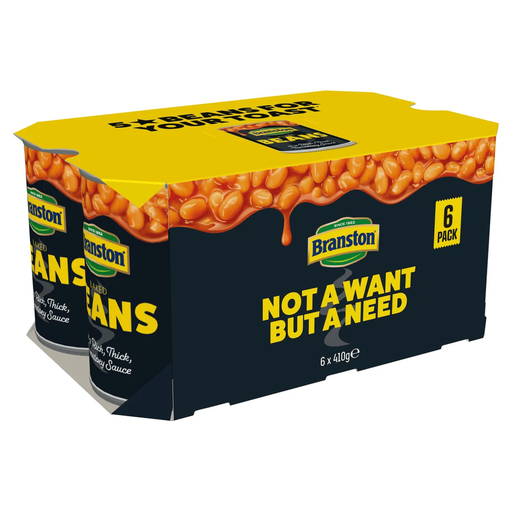 No image available
Six separate 410g tins provide a larger quantity for sharing or meals planned across several occasions, rather than one small picnic portion. Keep unopened tins separate from any prepared food that needs chilled transport.
Yes, if you plan how they will be served. An unopened tin can be kept in the cupboard, but the Food Standards Agency says foods normally refrigerated at home also need to be kept cool at a picnic. Use a cool bag or box with ice or frozen gel packs for those foods.
Keep food that normally needs refrigeration cool until serving. The Food Standards Agency warns that food at 8°C or above for four hours or more may become unsafe and advises using food within two hours in extremely hot weather. Food Standards Scotland advises eating ready-to-eat foods within four hours of taking them out of the fridge.
For a planned one-person portion, compare 200g to 220g tins first. A 400g-plus tin can suit sharing, provided you have a way to refrigerate unused contents and follow that product’s after-opening instructions.
No: check sugar and salt separately on the current nutrition panel. ASDA lists 0.70g salt per half can for its cited reduced-salt, no-added-sugar 410g beans; that figure describes this recipe and serving, not all no-added-sugar beans.
Follow the exact pack’s storage instructions and refrigerate unused contents. For example, Tesco instructs shoppers to transfer leftovers from its cited no-added-sugar beans to a covered, non-metallic container and consume them within two days; ASDA gives a four-day period for its cited 410g recipe. Do not apply one product’s period to another.