Cooking one small portion
A 150g tin gives you a smaller-format option for beans on a slice of toast when you would rather not open a regular-sized tin.


Choose a 150g tin for a small bread serving, or look at roughly 400–420g when the beans need to cover several slices or a small bake. If sugar, salt or sauce texture matters to you, compare the exact recipe as well as the tin size, and check the can for current ingredients and allergen information.
A 150g tin gives you a smaller-format option for beans on a slice of toast when you would rather not open a regular-sized tin.
If beans are a regular bread topping, compare recipes using the per-100g nutrition panel. Sainsbury's states that its reduced-sugar-and-salt beans contain 30% less of each than its own standard beans; that comparison does not describe other brands.
If sauce texture matters for toast or a bread bake, look for a description of the particular tin. Waitrose & Partners describes the sauce in Branston's 410g baked beans as rich and thick.
Start with the amount your bread meal needs, then compare the recipe and the details on the tin.
| Priority | What to check | Your needs |
|---|---|---|
| Tin size | Check the weight against your number of slices or the area you want to cover. Waitrose & Partners lists a 150g Heinz tin and a 420g Essential tin; the latter states two servings. | A small tin may be enough for my own toast, but I want more beans if they are the main topping for several slices or a small bake. |
| Sugar and salt | Compare values per 100g and read the ingredients. Sainsbury's describes its reduced 400g recipe as having 30% less sugar and salt than its own standard beans; the reduced recipe contains steviol glycosides. | I want to compare the listed sugar and salt without assuming a reduced recipe tastes or is made exactly like a standard one. |
| Sauce texture | Look for a sauce description for the exact product rather than assuming tin size predicts thickness. Waitrose & Partners describes Branston 410g beans as having a rich, thick tomato sauce. | For beans spooned over bread, I care about the sauce style as well as how much the tin contains. |
| Allergens | Read the current can's ingredients and allergen information for the exact recipe. A vegan or vegetarian label is not, by itself, a milk- or egg-allergy check. | If I need to avoid an allergen, I cannot rely on the product name or a general dietary label. |
A 150g tin and a 420g tin call for different portion plans, even though each is sold as one tin.
Decide how many slices or how much of a bake the beans must cover before choosing the size.
Sainsbury's describes its reduced-sugar-and-salt 400g beans as containing 30% less sugar and salt than its standard beans. The reduced recipe also contains steviol glycosides.
Compare the per-100g panel and ingredients if either the listed nutrients or the recipe matters to you.
Marks & Spencer's standard baked-beans page says the product is not suitable for people with a milk or egg allergy, despite its vegan and vegetarian labels.
For an allergy, check the current physical can rather than relying on an online label or a broad dietary description.
Waitrose & Partners lists Heinz single tins in several sizes, including 150g and 415g.
Tesco Groceries lists own-label 420g standard and reduced-sugar-and-salt baked beans.
Sainsbury's lists 400g standard and reduced-sugar-and-salt baked beans.
Asda has a baked-beans-in-tomato-sauce entry in its grocery catalogue.
Marks & Spencer lists 400g standard baked beans and a 390g no-added-sugar product.
Waitrose & Partners lists a 420g Essential own-label tin, as well as branded single tins.
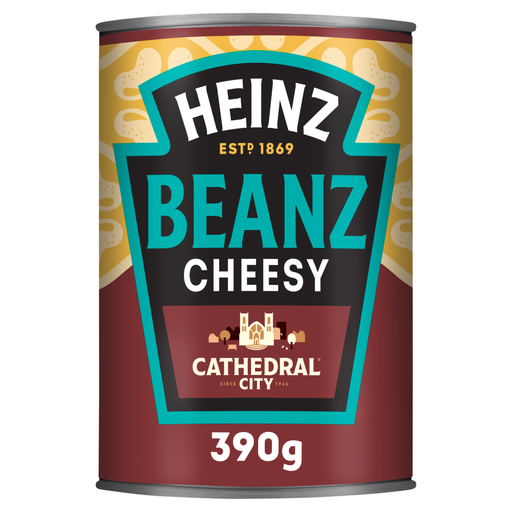
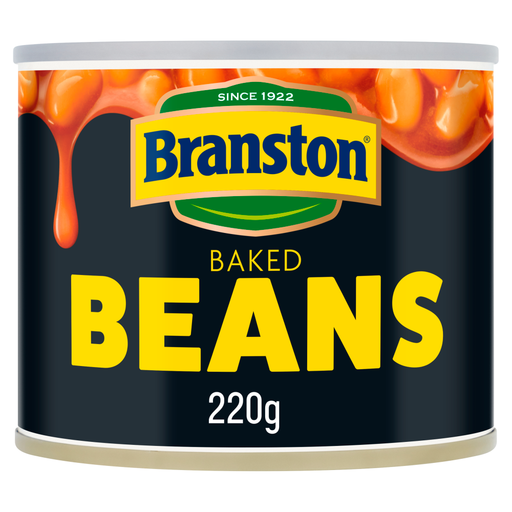
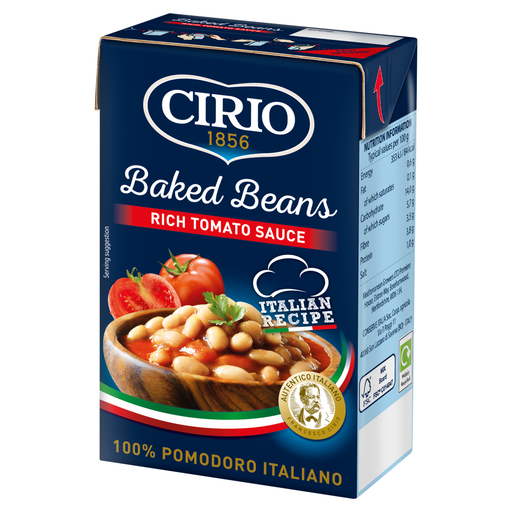
These tins offer 220g, 390g and 500g amounts to consider for toast or a bread-based meal. Match the amount and recipe to what you plan to make.
 No image available
The 390g tin is an option when you want more beans for a bread meal than a small-format tin provides. Check its milk-allergen information if relevant, and compare the nutrition panel if sugar or salt is a priority.
 No image available
Consider this 220g tin for a smaller bread meal. It contains less than the 390–420g formats discussed above, so check that one tin provides enough beans for your slices or bake.
 No image available
The 500g tin offers more beans than the 390–420g formats discussed above. Decide whether that amount suits your bread meal and how you would use any remainder; check the nutrition panel if salt matters to you.
A 150g tin is a smaller-format choice for a small serving; consider roughly 400–420g when the beans must cover several slices or form the main topping of a small bake. Check the amount your recipe needs rather than treating those tins as substitutes.
Recipes differ, so compare their per-100g panels and ingredients. Sainsbury's states that its reduced 400g beans have 30% less sugar and salt than its own standard beans; the reduced recipe contains steviol glycosides.
Heat them gently until piping hot, as the NHS beans-on-toast recipe instructs, and follow any directions on the tin you use.
No. Marks & Spencer's standard baked-beans page labels the product vegan and vegetarian but says it is not suitable for people with a milk or egg allergy. Check the current can's allergen information for the exact product.