Weeknight cooks buying a cupboard staple
If beans are going on toast, a jacket potato or alongside another dish, check how much the tin contains, how many portions you expect to use and how the pack says to heat it.


For a quick weeknight dinner, a single tin makes sense when you need beans for one meal; consider a multipack when you expect to use every tin. Compare the amount you will use, the nutrition panel and the heating instructions. A reduced-salt-and-sugar recipe is another option if its ingredients suit you, but “reduced” does not mean salt- or sugar-free.
If beans are going on toast, a jacket potato or alongside another dish, check how much the tin contains, how many portions you expect to use and how the pack says to heat it.
A multipack is worth considering when several tins will fit into your upcoming meals. Check the number and size of the tins against what your household will actually use.
If you prefer a reduced-salt or no-added-sugar recipe, compare the figures per 100g and read the ingredients. Reduced recipes can still contain salt or sugar, and some include sweeteners.
Start with the quantity needed for dinner, then check the recipe and preparation instructions on the tin you intend to buy.
| Priority | What to check | Your needs |
|---|---|---|
| Pack and portion size | Compare the weight of each tin, the number of tins and any stated servings. Consider whether opened beans would be left over. | I only need beans for tonight, so a single tin may fit better. If several meals are planned, I can consider a multipack. |
| Salt and sugar | Compare salt and sugars per 100g across the exact recipes. Check the ingredients of reduced-sugar or no-added-sugar versions for sweeteners. | Beans are a regular meal component for me, and I want to choose using the nutrition panel rather than the front-of-pack description alone. |
| Preparation | Read the tin’s hob or microwave directions and any stirring or heating instructions. Transfer beans to a suitable container for microwave heating. | For a quick dinner, I need a heating method that works with the equipment available. |
| Labels and leftovers | Check the current ingredient and allergen declaration. Follow the tin’s instructions for covering, refrigerating and using any opened beans. | I may save part of a tin, or need to check an ingredient before serving it to someone else. |
A reduced-salt or reduced-sugar recipe can still contain those ingredients. ASDA’s Reduced Salt & No Added Sugar beans list 0.34g salt per 100g, while Waitrose & Partners lists 0.30g per 100g for its essential reduced version.
Compare the nutrition panels and check the ingredients if a sweetener affects your choice.
Storage directions differ between products, so one tin’s instructions should not be applied to another.
Follow the pack’s directions for transferring, covering and refrigerating unused beans, and use them within its stated period after opening.
Choosing a tin larger than you will use can leave a portion that needs storing or discarding.
Ingredients and allergen information can change. The M&S baked beans listing, for example, says its product is not suitable for people with a milk or egg allergy.
If an allergy or intolerance matters, check the declaration on the physical pack before serving.
These examples describe particular listed products and ranges; check the current pack when comparing recipes.
A branded standard-recipe option alongside Heinz variants.
An own-label and branded baked bean range with different pack formats.
An own-label four-pack of conventional tomato-sauce baked beans.
Own-label standard tins and a reduced-salt, no-added-sugar four-pack.
An own-label 400g baked bean tin.
A standard 420g tin and a separate reduced-salt-and-sugar 420g recipe.
These options cover branded multipacks for repeat meals, a reduced-sugar-and-salt multipack and a smaller single tin. Use the pack size and current product label to decide which fits your dinner plans.
 No image available
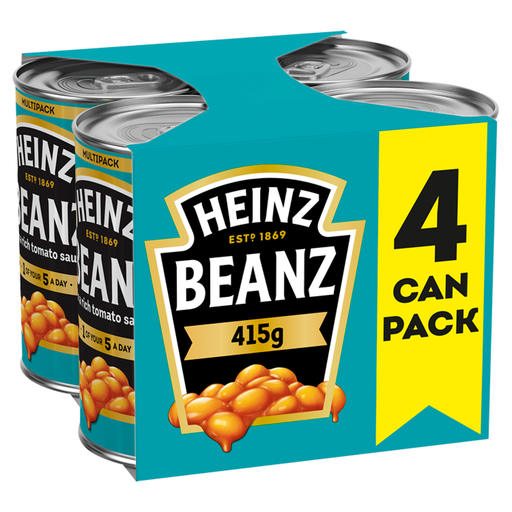
Four 415g tins suit plans that call for beans on several occasions. Check that you will use the pack, and follow the tin’s heating and opened-product storage instructions.
 No image available
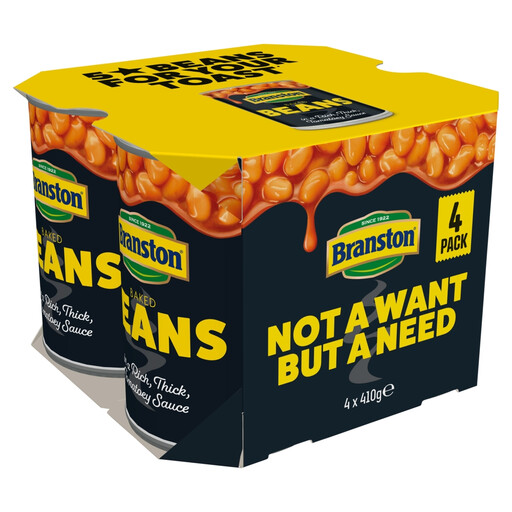
This four-tin format is an option for repeat dinners using standard baked beans. Check the directions on each tin for heating and storing any leftovers.
 No image available
Consider this four-tin reduced-sugar-and-salt recipe if you will use a multipack. Read the current nutrition panel and ingredients, including the sweetener declaration, before choosing it over the standard recipe.
 No image available
Six 410g tins give you a larger cupboard pack for several planned meals. Check that the quantity fits your use, and read the tin for heating and opened-product storage directions.
 No image available
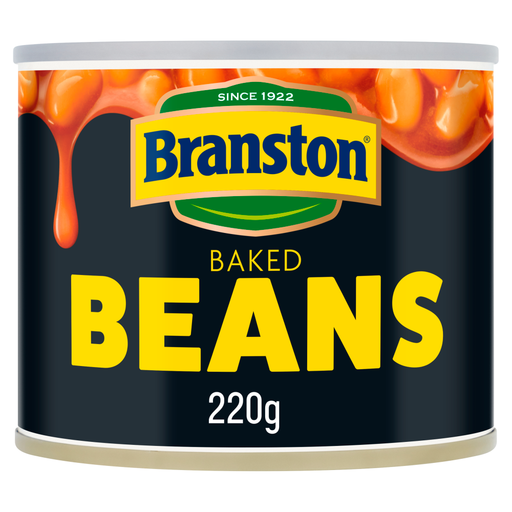
The 220g single tin is worth considering when a smaller amount fits tonight’s meal better than a multipack. Check the pack for serving and heating directions.
No. ASDA lists 0.34g salt per 100g for its Reduced Salt & No Added Sugar beans, and Waitrose & Partners lists 0.30g per 100g for its essential reduced-salt-and-sugar version. Compare the figures on the current packs if salt content affects your choice.
No. Transfer the beans to a microwave-safe container, then follow the product’s heating directions. Do not put the metal tin in the microwave.
Follow the individual tin’s instructions for transferring and covering the beans, refrigerating them and using them within the stated period. Food Standards Scotland advises checking the label for storage instructions after opening.
No. Check the current physical pack before serving baked beans to someone with an allergy or intolerance, because product information can change. The M&S baked beans listing, for example, states that its product is not suitable for people with a milk or egg allergy.
A best-before date concerns quality, not the same safety deadline as a use-by date, according to GOV.UK. Check the condition of the packaging and follow its storage instructions; food kept past its best-before date may not taste as it did beforehand.