
24/7 Customer Support

Free returns

Same-day & Next-day Delivery

Quality Guaranteed

Unlock Your Welcome Offers: FREE Delivery | Up to 80% OFF | Free 30-day JoyPlus trial
Download the APP
The aroma of a freshly baked cake or a crusty loaf of bread is one of life's simple pleasures. But the joy of home baking can quickly turn to frustration when your equipment lets you down. A cake that sticks, a tray that warps or a tin that leaks can ruin both your creation and your afternoon. As a Joybuy Product Recommendation Officer, my role is to help you navigate the market and find reliable bakeware that performs as it should.
Before you invest in new baking equipment, it's worth being aware of a few common purchasing pitfalls that can lead to disappointment and wasted money.
To avoid these issues, focus on a few core parameters that define quality bakeware. Understanding these will help you select pieces that are a pleasure to use for years to come.
The material of your baking equipment directly impacts how it heats and its overall durability.
Beyond the material, small design details can make a huge difference in usability and safety.
To help you choose, we've matched some popular products to different types of home bakers.
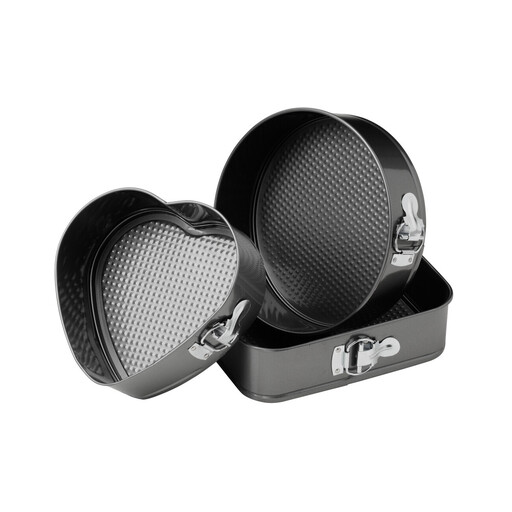
Why This Fits Their Persona: This set is ideal for someone starting their baking journey. It provides three of the most common and useful shapes (round, square and heart) without a large upfront investment, allowing a new baker to experiment with different recipes for family and friends.
It avoids the "bargain set illusion" by offering a small, curated collection of genuinely useful items. The springform design is particularly helpful for beginners, making cake removal straightforward and reducing the risk of breakage.
The set includes three different shapes for versatility. The non-stick coating and dishwasher-safe feature simplify the entire process from baking to clean-up.
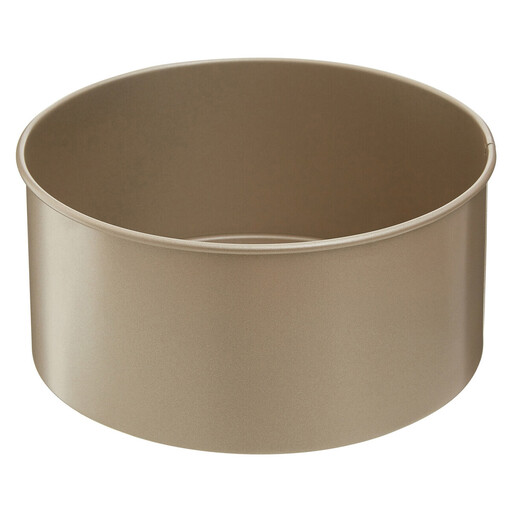
Why This Fits Their Persona: A serious baker appreciates tools that deliver consistent results. This tin is for those who have moved beyond basic kits and want a reliable, single piece for creating perfect sponges and layer cakes. They value performance and durability over quantity.
This tin directly counters the "flimsy material" and "failing non-stick" traps. Its carbon steel construction prevents warping, while the specified Xylan non-stick coating offers reliable performance and longevity when cared for properly.
The removable loose base is a significant advantage, allowing for damage-free removal of delicate cakes. The BPA-free construction provides peace of mind.
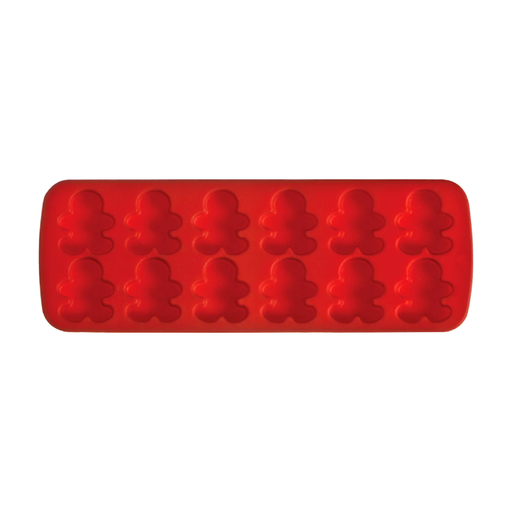
Why This Fits Their Persona: This is for the baker who loves making fun, themed treats for children's parties, holidays or just a weekend activity. The focus is on creativity and ease of use, producing instantly recognisable shapes that bring a smile to everyone's face.
This is a specialised tool, not a generic piece in a bloated set. Its durable silicone material is designed for its purpose, avoiding the warping issues of cheap metal and ensuring the detailed gingerbread shape is preserved perfectly.
The flexibility of silicone guarantees easy release of the treats. It is highly versatile, being safe for the dishwasher, microwave and freezer, and is heat resistant up to 230°C.
We have compiled a complete, real-time list of products that fully satisfy these strict selection criteria and UK safety regulations.
The lifespan of non-stick bakeware depends on the quality of the coating and how it is cared for. A high-quality coating can last for several years with proper use. To maximise its life, always avoid using metal utensils, sharp objects and abrasive scouring pads. Hand washing with a soft sponge is often recommended, even if the item is listed as dishwasher safe.
Yes, provided it is high-quality, food-grade silicone. Reputable silicone baking moulds are rated for high temperatures, typically up to 230°C (446°F), making them perfectly safe for oven use. Always check the manufacturer's specifications for the maximum temperature. They are inert and won't leach chemicals into your food when used within their stated temperature range.
Both are designed to make removing cakes easier, but they work differently. A springform tin has a ring-like side that can be expanded and removed by releasing a latch, leaving the cake sitting on the flat base. This is ideal for very delicate bakes like cheesecakes. A loose-base cake tin has a solid outer wall and a separate, removable bottom disc. After baking, you simply push the base upwards to lift the cake out of the ring. This is a great, simple mechanism for sponges and fruit cakes.