
24/7 Customer Support

Free returns

Same-day & Next-day Delivery

Quality Guaranteed

Unlock Your Welcome Offers: FREE Delivery | Up to 80% OFF | Free 30-day JoyPlus trial
Download the APP
From the comforting aroma of a freshly baked loaf to the cheer of a birthday cake, the right bakeware is the silent partner in our kitchen triumphs. Yet, choosing it can feel like navigating a minefield of marketing claims. As the Joybuy Product Recommendation Officer, my role is to help you sidestep the common pitfalls and select equipment that truly serves your baking ambitions, without the unnecessary expense.
Before you add another tin to your basket, let's look at the frequent issues that lead to buyer's remorse.
Understanding a few core principles can help you invest in pieces that last, ensuring your focus remains on the joy of creating, not on wrestling with your equipment.
To avoid the traps above, focus on these three non-negotiable factors. They are the difference between bakeware that aids your craft and bakeware that hinders it.
The material of your bakeware dictates how it heats, how it feels and how it releases your bakes.
A good non-stick surface makes life easier, but not all are created equal. A quality coating, often applied in multiple layers and cured at high temperatures, will be far more durable. However, its lifespan is also in your hands. To protect your investment:
Getting a delicate cake out of its tin can be a heart-stopping moment. The right design makes it effortless.
Based on these practical criteria, here are a few options from our collection, matched to different types of bakers.
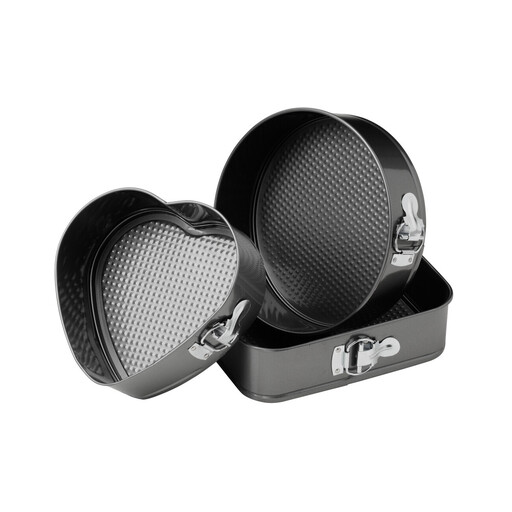
Why This Fits Their Persona: This baker enjoys making different cakes for family gatherings and special occasions. This set provides three popular shapes (round, square and heart), offering the versatility needed for everything from a classic birthday cake to a Valentine's treat.
The carbon steel construction provides good rigidity to resist warping. The springform mechanism is the core feature, designed for a secure fit to minimise leaks—a common failure point in cheaper models.
A versatile set of three different shapes in one package. The springform design is ideal for delicate bakes like cheesecakes.
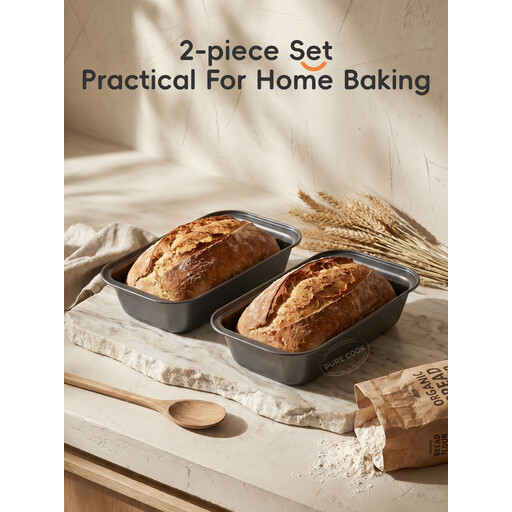
Why This Fits Their Persona: This baker is focused on creating the perfect loaf, from a classic white tin loaf to a dense wholemeal. They need a sturdy bread tin that provides structure for a good rise and even heat for a golden crust.
The description specifies "thickened food-grade carbon steel," which directly addresses the problem of warping at the high temperatures often used for baking bread. It ensures structural integrity and uniform heating.
Designed for even heat conductivity to prevent burnt bottoms or undercooked tops. The smooth inner walls and shape produce a loaf with sharp, neat edges that holds its shape when sliced.
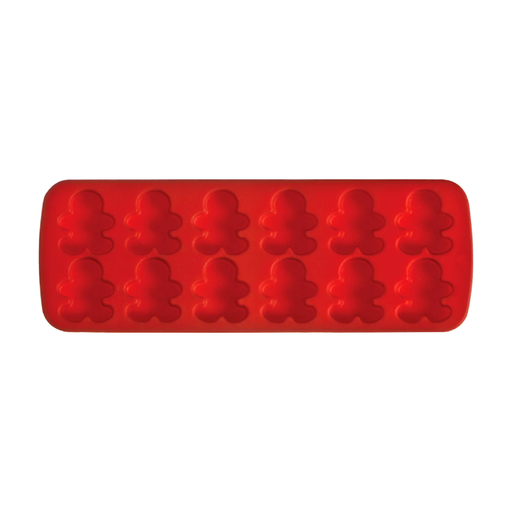
Why This Fits Their Persona: This baker loves getting the family involved and creating fun, themed treats for parties or just a weekend activity. Ease of use, quick cleanup and a playful design are their top priorities.
It is made from durable silicone that is firm enough to hold its shape when filled, avoiding the "flimsy silicone flop." Its flexibility is a deliberate feature for easy demoulding, not a structural weakness.
The flexible material makes it simple to pop out the detailed gingerbread shapes without breakage. It is also dishwasher, microwave and freezer safe for ultimate convenience.
We have compiled a complete, real-time list of products that fully satisfy these strict selection criteria and UK safety regulations.
1. How can I make my non-stick bakeware last longer? The key is gentle treatment. Always avoid using metal utensils that can scratch the surface; opt for silicone, wood or nylon instead. When cleaning, let the tin cool down first, then wash by hand with a soft sponge and mild washing-up liquid. Abrasive scourers and harsh dishwasher cycles are the fastest way to degrade a non-stick coating.
2. Is silicone bakeware better than carbon steel? Neither is inherently "better"—they excel at different tasks. Carbon steel offers superior structure and even heat distribution, making it the go-to for traditional cake tins and baking trays. Silicone provides unparalleled flexibility and easy-release properties, which is perfect for intricate moulds, muffin tins and chocolates. A well-equipped kitchen often contains a mix of both.
3. Why does my baking tray warp in the oven? This common and often startling "popping" sound is usually caused by thermal shock. When a thin sheet of metal is heated quickly, it expands unevenly, causing it to twist or buckle. To prevent this, choose bakeware made from a heavier-gauge (thicker) metal, as it is more stable and resistant to temperature fluctuations. Placing cold or frozen food directly onto a hot tray can also contribute to warping.