Occasional shared-oven users
If you bake one or two trays now and then, using a working communal oven avoids adding another appliance. You still need to coordinate cooking time and clean up afterwards.


Use the existing shared oven for occasional trays of aubergine if it works, is clean and is available when you need it. Consider a countertop oven only if household rules permit one and you have a ventilated worktop position and suitable electrical supply. A built-in oven is a permanent kitchen upgrade, not a portable workaround.
If you bake one or two trays now and then, using a working communal oven avoids adding another appliance. You still need to coordinate cooking time and clean up afterwards.
A compact oven may make cooking times easier to manage when access to the shared oven is unreliable. Check household permission, ventilation space and the available electrical supply before choosing one.
Owners and authorised property managers considering a permanent oven need to establish cabinet or floor space, the electrical requirements and who will arrange installation.
Choose it when: It works and you can arrange time to bake your usual trays.
Accept: Other users may need the oven, and everyone must keep it clean.
Choose it when: A personal appliance is permitted and can stand safely on a ventilated worktop.
Accept: It occupies shared preparation space and may fit fewer slices per batch.
Choose it when: An authorised, permanent kitchen upgrade is needed for regular cooking.
Accept: Cabinet fit and electrical installation must be resolved before purchase.
| Concern | What to check | Who this matters to |
|---|---|---|
| Permitted, safe placement | For a countertop oven, confirm household permission, the manual’s ventilation clearances, appliance wattage and a suitable electrical supply. | I need somewhere a personal oven can stand without crowding the shared worktop or creating an electrical problem. Around 31% of consumers would put permitted, safe placement first. |
| Tray space and baking control | Compare usable tray dimensions, temperature range and any fan setting; cavity volume alone does not show how many slices fit in one layer. | If I usually bake several slices at once, I want to know whether they fit on the tray without making extra batches. Around 31% of consumers would prioritise tray space and baking control. |
| Cleaning and shared use | Check how trays and interior surfaces are cleaned, then agree who cleans the oven and where a personal appliance may be stored. | I want to roast aubergine without leaving oily residue for the next person or taking over communal space. For around 23% of consumers, cleaning and coexistence would be the primary concern. |
| Permanent installation | For a fitted oven, confirm authority to alter the kitchen, installation dimensions and the model’s electrical requirements. | When I am responsible for a lasting kitchen upgrade, I need an oven that fits the property and its regular cooking needs. Permanent installation would come first for around 15% of consumers. |
Countertop ovens still produce heat and need air circulation. De’Longhi says its electric ovens must not be enclosed within a unit.
Measure an open, stable worktop position and follow the clearance instructions for the exact model.
An oven used alongside other appliances can overload an extension device. Electrical Safety First advises against overloading extension leads, cable reels and adaptors.
Check the appliance rating and the electrical setup before use. Do not daisy-chain extensions; stop using the equipment if it becomes hot, smells of burning or shows damage.
Cavity volume does not tell you how much aubergine fits in one layer. External dimensions also determine how much communal space a worktop oven takes.
Compare usable rack or tray dimensions with your usual portion and measure the proposed position, including the required clearances.
Combination appliances can restrict simultaneous use. The product information states that only one hob on its Cookworks 28L mini oven can operate while the oven runs.
Read the operating instructions for the exact model if you expect to cook on the hob while baking.
Its countertop electric-oven range is relevant when a permitted personal appliance would be more practical than relying on the shared oven.
The 28L mini oven with hobs represents a worktop option for a kitchen that needs more than oven cooking from one appliance.
The BBIF16100 is an example of a built-in fan oven for an authorised, permanent kitchen installation.
These freestanding and built-in options suit consideration when you are authorised to equip or upgrade the shared kitchen. They are not personal countertop ovens; check installation fit and usable tray dimensions against the way you bake aubergine.
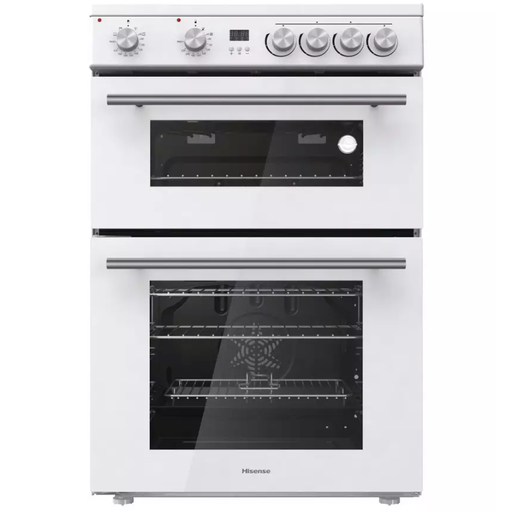 No image available
Consider this for an authorised replacement of a shared kitchen cooker, rather than as a personal worktop oven.
The product name specifies two ovens and a ceramic hob. Confirm the available space, electrical connection and usable tray dimensions before ordering.
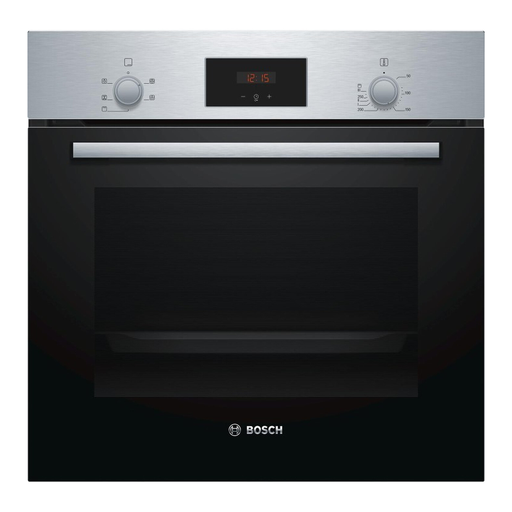 No image available
This fixed oven is relevant to an authorised kitchen upgrade, not to a temporary personal-appliance arrangement.
Check cabinet fit, installation requirements, temperature range and usable tray dimensions for your usual batch.
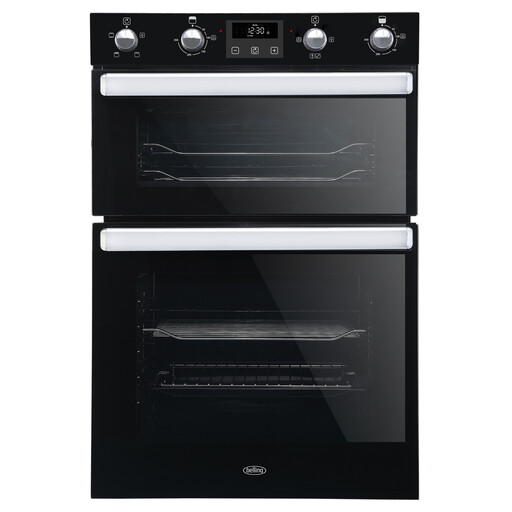 No image available
Consider a built-in double oven only where a permanent kitchen installation is permitted and two oven cavities suit the household’s cooking plans.
Confirm installation dimensions, electrical requirements, temperature range and usable tray space before purchase.
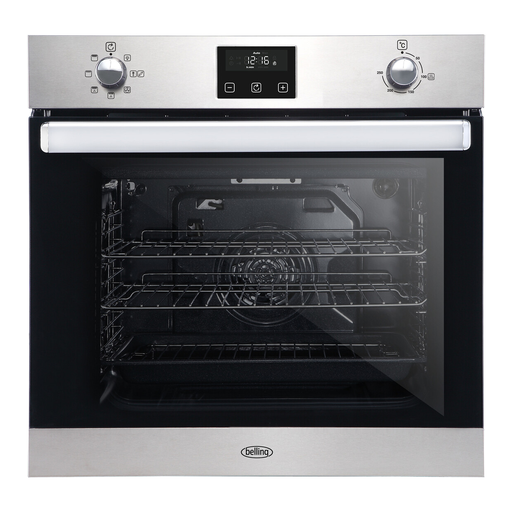 No image available
This single built-in oven belongs in a kitchen upgrade approved by the person responsible for the property.
Check the cabinet and electrical installation requirements, along with the cavity’s usable tray dimensions and temperature range.
You can consider one if household rules permit it and the exact appliance has a suitable position and electrical supply. De’Longhi says its electric ovens need space for air circulation and must not be enclosed within a unit; follow the manual for the model you choose.
Do not assume an extension lead is suitable. Electrical Safety First warns against overloading extension leads, cable reels and adaptors. Check the ratings of the appliance and electrical setup, never daisy-chain extensions, and stop use if you notice heat, damage or a burning smell.
Electrical Safety First advises having an oven fitted by a qualified electrician. The connection requirements vary by model, so confirm them alongside the cabinet fit before buying a built-in oven for the shared kitchen.
Let the oven cool fully, then clean residue and trays according to its manual so the next person can use it. Electrical Safety First advises regular oven cleaning and keeping tea towels, oven gloves and other flammable materials away from heat.