
24/7 Customer Support

Free returns

Same-day & Next-day Delivery

Quality Guaranteed

Unlock Your Welcome Offers: FREE Delivery | Up to 80% OFF | Free 30-day JoyPlus trial
Download the APP
Choosing baking bakeware and accessories is not simply a matter of picking the most attractive tin or the largest set. The wrong dimensions, unsuitable coating or unclear care instructions can lead to uneven bakes, difficult demoulding and products that spend more time in the cupboard than the oven.
This guide helps UK home bakers, families, baking teachers and small baking businesses compare useful features without relying on inflated marketing language. It also highlights practical options for baking, serving, storing and presenting homemade treats.
Non-stick coatings can make releasing sponge cakes, brownies and tarts easier, but they still require sensible care. Metal utensils, abrasive sponges and dishwasher cycles may damage the surface over time. Always check whether a tin is hand-wash only and whether the manufacturer advises using baking paper or a light coating of fat.
A carbon steel tin may offer useful heat conductivity and lower weight than cast iron, but it can still warp or lose performance if exposed to unsuitable heat sources or rough cleaning.
“Oven-safe” does not mean suitable for a hob, microwave, grill or open flame. Many oven-safe bakeware products are designed only for use inside a conventional oven or air fryer. Plastic cupcake packaging, for example, must never go into an oven or microwave.
For UK kitchens, check the appliance guidance before buying. Product specifications should clearly state whether an item is suitable for ovens, microwaves, freezers or dishwashers.
A tin that looks suitable online may not fit your oven shelf, air fryer basket or storage cupboard. Capacity also affects baking time and the finished texture. A deep cake tin can require a longer bake than a shallow tray, while individual ramekins are designed for portioned desserts rather than large cakes.
Measure your available oven space and compare the listed dimensions in centimetres where possible.
Carbon steel cake tins are relatively light and can distribute heat across the baking surface. They are suitable for cakes, brownies, pastries and some savoury recipes, provided the stated temperature and appliance limits are followed.
Ceramic ramekins retain heat and work well for individual puddings, custards, soufflés and crème brûlée-style desserts. However, ceramic can chip or crack if dropped or exposed to sudden thermal changes. Do not move a ceramic dish directly from a freezer into a hot oven unless the product instructions specifically allow it.
A non-stick interior may reduce sticking, but it does not remove the need for careful preparation. Check for features such as a removable base, spring-release clip or straight-sided design. A springform cake tin with a quick-release mechanism can be practical for cheesecakes and delicate cakes that are difficult to turn out.
Avoid metal scouring pads and abrasive cleaners. Let bakeware cool before washing or attempting to remove a cake.
Before ordering, confirm:
For food-contact items, follow the supplied instructions and stop using any tin, ramekin or accessory that is cracked, chipped, badly scratched or visibly damaged.
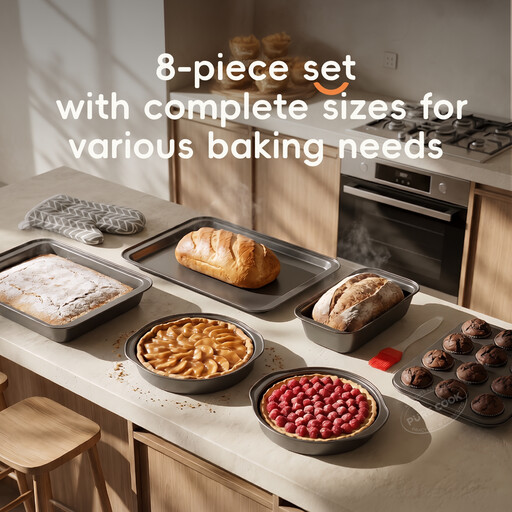
Why This Fits Their Persona: An eight-piece selection gives beginners several square and grid-style formats for cakes, brownies, toast, pizza and savoury bakes without buying each tin separately.
The listed care guidance makes the limitation clear: it is hand-wash only and should not be used on hobs, in microwaves or over open flames.
Eight pieces; carbon steel construction; stated oven use up to 450°F, approximately 232°C.
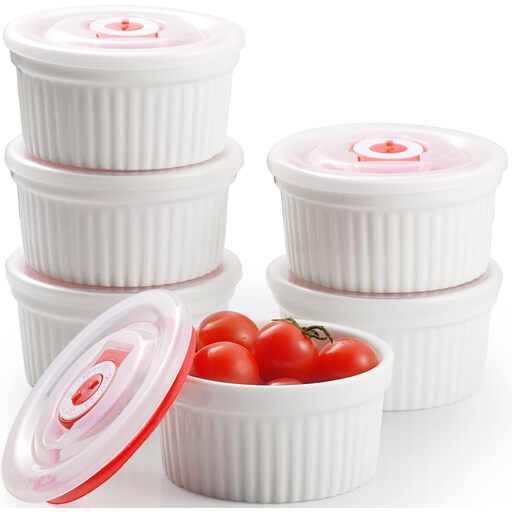
Why This Fits Their Persona: Suitable for cooks who want matching serving dishes for individual desserts, dips and puddings, with lids for fridge or freezer organisation.
The product separates appliance guidance: ceramic cups are oven, microwave, dishwasher and freezer safe, while the plastic lids are not for conventional ovens or grills.
Six porcelain ramekins; 8 oz capacity; date-dial lids for storage tracking.
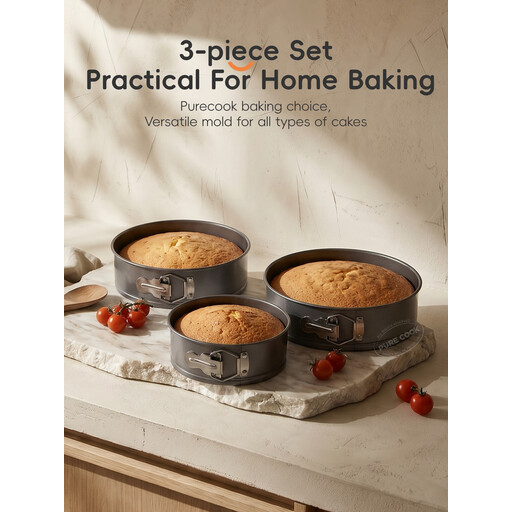
Why This Fits Their Persona: A practical choice for frequent cheesecake, sponge cake and pound cake preparation, including baking classes and small home-based orders.
Its removable-base and clip design addresses the common problem of damaging delicate cakes during release. It remains hand-wash only and oven-only.
Three round sizes: 18, 20 and 24 cm; quick-release clips; non-stick interior.
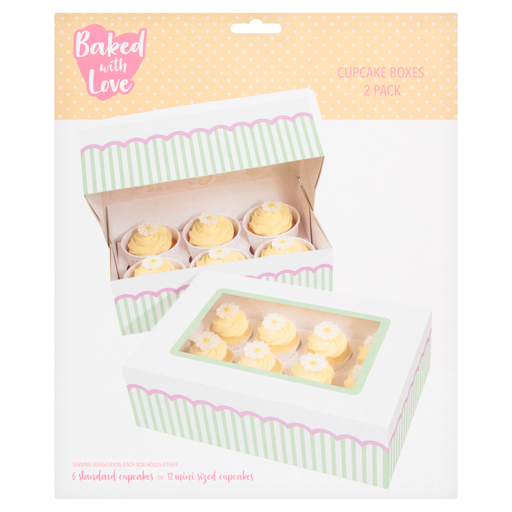
Why This Fits Their Persona: Useful for transporting homemade cakes to parties, markets, school events or customers who need presentable packaging.
The dual insert is specified for either six standard cupcakes or twelve mini fairy cakes, reducing the risk of buying packaging that does not match the bake size.
Holds six standard cupcakes or twelve fairy cakes; transparent window; designed for food contact use.
We have compiled a complete, real-time list of products that fully satisfy these strict selection criteria and UK safety regulations.
Ceramic ramekins designed for oven use can be suitable for individual crème brûlée, custard and pudding portions. Check the dimensions and capacity, use oven mitts when handling hot dishes, and avoid sudden temperature changes that could cause thermal shock.
Lifespan depends on frequency of use, heat exposure and cleaning. Hand washing, soft utensils and careful storage can help preserve the coating. Replace a tin if the surface is badly scratched, peeling, distorted or difficult to clean.
Usually, yes. Standard cupcakes and mini fairy cakes differ in size, so their liners, trays and packaging may not match. Check the stated capacity of the box or insert before purchasing. A dual-format cupcake box can be useful if you regularly make both sizes.